
Introduction
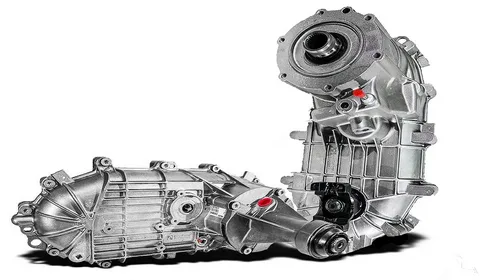
The transfer case is one of the most important components in four-wheel-drive (4WD) and all-wheel-drive (AWD) vehicles. While engines and transmissions often receive most of the attention, the transfer case plays a critical role in distributing power from the transmission to both the front and rear axles. Without a properly functioning transfer case, a vehicle cannot efficiently engage four-wheel drive or deliver the traction needed for challenging driving conditions.
Whether you drive an SUV, pickup truck, off-road vehicle, or a heavy-duty commercial truck, understanding how a transfer case operates can help you maintain your vehicle, recognize early signs of mechanical problems, and improve overall performance. Drivers who frequently travel on rough terrain, snow-covered roads, muddy trails, or steep inclines rely heavily on this essential drivetrain component.
This comprehensive guide explains what a transfer case is, how it works, its major components, different types, maintenance requirements, common failures, repair costs, and why it remains a vital part of modern four-wheel-drive systems.
What Is a Transfer Case?
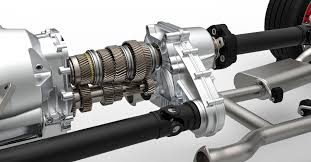
A transfer case is a gearbox located behind the transmission in vehicles equipped with four-wheel-drive (4WD) or all-wheel-drive (AWD) systems. Its primary function is to transfer engine power from the transmission to both the front and rear drive axles.
Unlike a standard two-wheel-drive vehicle that powers only one axle, a transfer case allows power to be distributed to multiple wheels, significantly improving traction and vehicle stability on difficult surfaces.
The transfer case also allows drivers to switch between different drive modes depending on road and weather conditions.
How Does a Transfer Case Work?
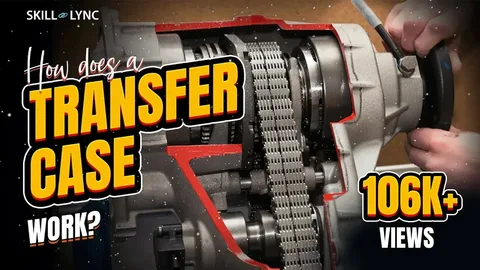
The transfer case receives rotational power directly from the transmission output shaft.
Inside the transfer case, gears, chains, shafts, and bearings work together to divide engine torque between the front and rear driveshafts. Depending on the vehicle design, the transfer case may allow drivers to select different operating modes manually or electronically.
Typical drive modes include:
- Two-Wheel Drive (2H)
- Four-Wheel Drive High (4H)
- Four-Wheel Drive Low (4L)
- Neutral (on certain models)
Each mode is designed for specific driving conditions and provides varying levels of traction and torque.
Main Components of a Transfer Case
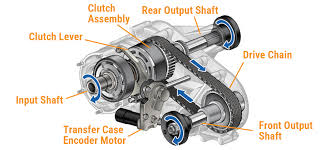
A transfer case consists of several precision-engineered parts that work together to transmit power efficiently.
Input Shaft
The input shaft receives power from the transmission and transfers it into the transfer case.
Output Shafts
Separate output shafts deliver power to the front and rear driveshafts.
Drive Chain or Gears
Depending on the design, either heavy-duty gears or a reinforced chain transfers power between shafts.
Bearings
Bearings support rotating components while reducing friction and wear.
Shift Mechanism
The shift mechanism allows the driver or electronic control system to change between drive modes.
Housing
A durable aluminum or cast-iron housing protects all internal components from dirt, moisture, and impact.
Types of Transfer Cases
Manufacturers use several different transfer case designs depending on vehicle purpose.
Part-Time Transfer Case
Part-time systems normally operate in two-wheel drive and allow drivers to manually engage four-wheel drive when additional traction is required.
Advantages include:
- Better fuel efficiency.
- Simpler design.
- Excellent off-road capability.
Full-Time Transfer Case
Full-time systems continuously deliver power to both axles while automatically adjusting torque distribution.
Benefits include:
- Improved road stability.
- Better traction during changing weather conditions.
- Continuous all-wheel-drive operation.
Active Transfer Case
Modern SUVs often use electronically controlled transfer cases that automatically monitor wheel slip and adjust power distribution without driver intervention.
Benefits of a Transfer Case
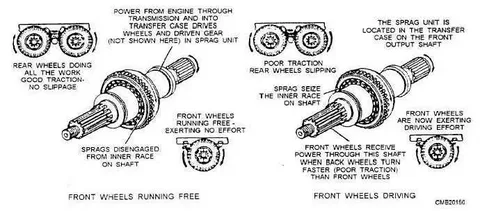
A properly functioning transfer case provides numerous advantages.
These include:
- Improved off-road performance.
- Better traction on slippery roads.
- Increased towing capability.
- Enhanced vehicle stability.
- Greater control on steep inclines.
- Improved performance in snow, mud, and sand.
- Increased driver confidence.
These benefits make four-wheel-drive vehicles highly versatile across different environments.
Common Transfer Case Problems
Like all mechanical components, transfer cases experience wear over time.
Common problems include:
Fluid Leaks
Damaged seals or gaskets may allow lubricant to escape, reducing protection for internal components.
Worn Bearings
Bearings can wear after extended use, creating grinding or humming noises.
Chain Stretch
Chain-driven transfer cases may develop excessive slack, causing vibrations or unusual noises.
Gear Damage
Improper lubrication or excessive loads may damage internal gears.
Shifting Problems
Electronic actuators or shift motors may fail, preventing the vehicle from changing drive modes.
Unusual Noises
Grinding, clicking, whining, or clunking sounds often indicate internal wear requiring inspection.
Signs Your Transfer Case Needs Attention
Drivers should watch for several warning signs.
These include:
- Difficulty engaging four-wheel drive.
- Fluid leaks beneath the vehicle.
- Vibrations while driving.
- Grinding sounds.
- Warning lights on the dashboard.
- Difficulty shifting between drive modes.
- Burning smells from overheated lubricant.
Early diagnosis often prevents more expensive repairs.
Importance of Transfer Case Fluid
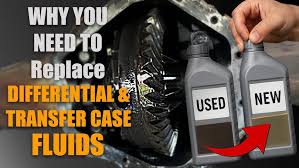
Transfer case fluid lubricates moving components while reducing friction and heat.
Proper fluid maintenance helps:
- Extend component life.
- Prevent overheating.
- Reduce wear.
- Improve shifting performance.
- Protect gears and bearings.
- Minimize corrosion.
Always use the fluid specification recommended by the vehicle manufacturer.
Maintenance Tips
Routine maintenance significantly extends transfer case lifespan.
Recommended practices include:
- Check fluid levels regularly.
- Replace transfer case fluid according to the manufacturer’s maintenance schedule.
- Inspect seals for leaks.
- Listen for unusual noises.
- Avoid unnecessary use of four-wheel drive on dry pavement if the vehicle has a part-time 4WD system.
- Address warning lights promptly.
Consistent maintenance reduces the likelihood of major repairs.
Repair Costs
Transfer case repair costs vary depending on:
- Vehicle make and model.
- Type of damage.
- Replacement parts required.
- Labor rates.
- Whether rebuilding or complete replacement is necessary.
Minor seal repairs are generally less expensive than rebuilding damaged gears or replacing an entire transfer case assembly.
Off-Road Performance

One of the transfer case’s greatest strengths is its ability to improve off-road capability.
Drivers benefit from:
- Increased traction on rocky terrain.
- Better climbing ability.
- Improved mud performance.
- Enhanced sand driving.
- Greater control during steep descents.
- Better performance on snow-covered roads.
These capabilities make transfer cases indispensable for serious off-road enthusiasts.
Future Developments

Modern automotive technology continues to improve transfer case design.
Emerging innovations include:
- Electronic torque management.
- Lightweight construction materials.
- Improved lubrication systems.
- Intelligent traction control integration.
- Enhanced durability.
- Greater fuel efficiency.
As hybrid and electric four-wheel-drive systems become more common, transfer case technology may continue evolving to meet new drivetrain requirements.
SEO Benefits of Automotive Maintenance Content

Articles covering transfer cases attract readers interested in vehicle maintenance, drivetrain systems, off-road performance, towing, and repair information. Publishing detailed, accurate, and user-focused automotive content can improve organic search visibility while establishing authority in the automotive niche.
Conclusion
The transfer case is an essential component of four-wheel-drive and all-wheel-drive vehicles, providing the ability to distribute engine power between the front and rear axles for improved traction and stability. Whether navigating rough trails, snowy highways, muddy roads, or steep terrain, a properly maintained transfer case ensures dependable performance and greater driving confidence.
Understanding how the transfer case works, recognizing common warning signs, performing routine maintenance, and addressing problems early can significantly extend its lifespan while reducing repair costs. As automotive technology continues advancing, transfer cases will remain a critical part of modern drivetrain systems, helping drivers safely and efficiently tackle a wide range of road and off-road conditions.












Leave a Reply