
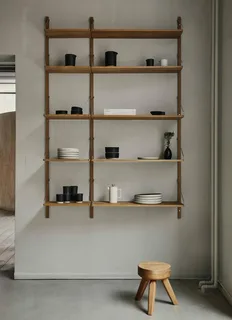
What Is Trallehylde?
Trallehylde is a Danish term associated with wooden shelving, particularly designs inspired by slatted wooden structures and reclaimed timber. The word combines the idea of a tralle, a structure made from connected wooden slats, with hylde, the Danish word for a shelf. Depending on the manufacturer and product, a trallehylde may feature solid wooden boards, separated slats, reclaimed timber, or a combination of wood and metal components.
The appeal of this shelving style comes from its balance between functionality and appearance. A wooden shelf can provide practical storage while adding warmth, texture, and character to a room. Unlike some mass-produced furniture with uniform surfaces, reclaimed or naturally textured wood can have distinctive grain patterns, knots, and small imperfections that make each piece look slightly different.
Trallehylde is particularly relevant to people who appreciate Scandinavian-inspired interiors, simple furniture, natural materials, and practical home organization. It can work in a living room, kitchen, bedroom, hallway, home office, or other area where additional storage is useful.
However, the name does not guarantee one standardized design. Some products emphasize traditional slatted construction, while others use smooth oak boards or reclaimed wood. Anyone planning to buy one should examine the actual construction, dimensions, finish, and mounting system before making a decision.
Understanding the Meaning and Background of Trallehylde
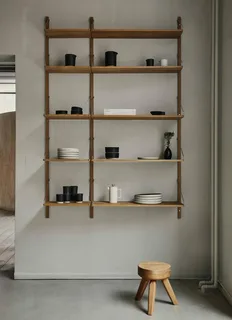
Understanding the Danish words behind trallehylde provides a useful starting point. In Danish, hylde means shelf, while tralle refers to a structure made from narrow pieces arranged to form a grid or slatted surface. Such structures have traditionally been associated with practical uses, including platforms and scaffolding.
Wooden slatted structures can also be repurposed into furniture. When suitable timber is transformed into a shelf, it combines the original material’s practical character with a new purpose in the home.
This connection with reuse helps explain why the term sometimes appears in discussions about rustic furniture and sustainable interior design. Nevertheless, not every product called a trallehylde is necessarily made from reclaimed scaffolding wood. Some manufacturers produce new shelves that simply take inspiration from the appearance or construction of slatted timber.
For this reason, the product description matters more than assumptions based on the name alone. A shelf made from new oak, for example, will have different characteristics from one constructed using previously used pine boards.
Both may serve a similar purpose, but their appearance, maintenance requirements, durability, and environmental implications can differ.
Why Trallehylde Fits Scandinavian Interior Design
Scandinavian interior design is often associated with simplicity, functionality, natural materials, and thoughtful use of space. Rather than filling every room with decorative objects, this approach often emphasizes useful furniture and a balanced arrangement of colors, textures, and shapes.
A trallehylde can fit naturally into this environment because wood adds visual warmth without requiring an elaborate design.
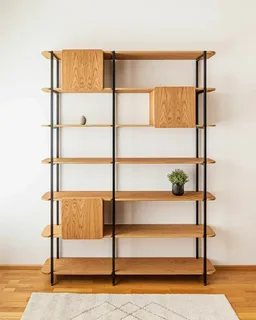
A simple oak shelf against a white wall creates a gentle contrast. A darker reclaimed-wood shelf can complement black metal fixtures, neutral furniture, or industrial-style lighting. A lighter wooden shelf may work well with pale walls, linen fabrics, and understated decorations.
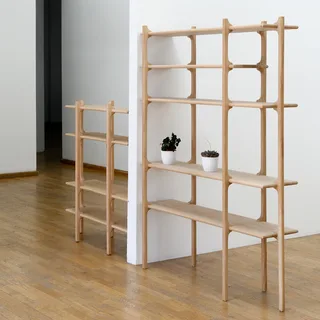
The result depends on the material, finish, proportions, and surrounding furniture. A rustic shelf does not automatically create a Scandinavian interior, but it can contribute to the overall effect when combined with other compatible elements.
Functionality is equally important. A shelf should make everyday items easier to access, help organize belongings, or provide a suitable place to display meaningful objects.
When appearance and practical use work together, the furniture becomes more than a decorative feature.
The Main Features of a Trallehylde
Although individual products differ, several characteristics are commonly associated with this shelving style.
Natural Wooden Surfaces
Wood is one of the most recognizable features of trallehylde-inspired furniture. Depending on the product, it may be oak, pine, another timber species, or reclaimed wood from an earlier use.
Each material has its own appearance. Oak generally offers a pronounced grain and a substantial feel, while pine often has a lighter color and visible knots. Reclaimed timber may contain marks, discoloration, and variations that reflect its previous use.
These differences allow buyers to select a shelf that suits their room and personal preferences.
Slatted or Plank-Based Construction
Some designs use several narrow wooden pieces arranged side by side, while others use wider boards. The spaces between slats can create a more open appearance and make the individual components visible.
A solid board provides a continuous surface, which can be useful for small objects, books, and containers. A slatted design may offer a distinctive texture, but the gaps need to be considered when deciding what to place on the shelf.
The construction should suit the intended purpose rather than being chosen entirely for its appearance.
Simple Shapes
Many shelves inspired by Scandinavian design use straightforward shapes and uncomplicated mounting systems. This makes them easier to combine with different furniture styles.
A long, narrow shelf can create a horizontal feature on a wall, while a compact shelf can fill an otherwise unused corner. Multiple shelves can also be arranged vertically to create additional storage without occupying much floor space.
Individual Character
Wooden surfaces are rarely identical. Differences in grain, color, knots, and texture can give a shelf its own character.
With reclaimed timber, these differences may be particularly noticeable. Some buyers appreciate this irregularity because it creates a more natural and individual appearance.
Others prefer uniform surfaces and carefully matched finishes. Neither preference is inherently better; the right choice depends on the desired interior style.
Where Can You Use a Trallehylde?
One of the main advantages of a wall shelf is its versatility. A suitable design can provide storage in almost any room, provided that the material and mounting system are appropriate for the environment.
Trallehylde in the Living Room
Living rooms often contain books, photographs, small plants, decorative objects, and other belongings that need an organized place.
A wooden shelf can display these items without requiring another cabinet or large piece of furniture. It may be installed above a desk, beside a reading chair, or on an otherwise empty wall.
For a balanced arrangement, avoid covering the entire surface with objects. A few books, a small plant, and one or two decorative pieces can create an attractive display while allowing the wood to remain visible.
The shelf’s length should relate to the surrounding furniture. A very short shelf above a large sofa may look disconnected, while an oversized shelf can dominate a small room.
Before installation, consider the height of nearby furniture, the position of doors, and whether people could accidentally bump into the shelf.
Trallehylde in the Kitchen
A kitchen shelf can keep frequently used items within reach while providing an opportunity to display attractive containers and accessories.
Depending on the design, it may hold cookbooks, jars, cups, lightweight utensils, or small decorative objects. A shelf placed near a preparation area can be particularly useful when it does not obstruct movement or create a cleaning problem.
Wood requires additional consideration in kitchens because cooking can introduce steam, grease, and changes in humidity. A suitable finish may help protect the surface, but it does not make every wooden shelf appropriate for every location.
Avoid placing untreated wood where it receives frequent splashes or prolonged exposure to moisture. Clean the surface regularly and follow the manufacturer’s recommendations for care.
Heavy dishes and large containers should only be stored when the shelf and its mounting system are rated for the load.
Trallehylde in the Bedroom
Bedrooms benefit from furniture that offers storage without making the room feel crowded. A wall shelf can hold books, an alarm clock, photographs, or a few personal objects.
A compact design above a desk or dresser may be particularly practical. It uses vertical space and keeps the floor available for other furniture.
If the shelf is positioned above a bed, secure mounting becomes especially important. The fixings must be suitable for the wall material and the expected load. Avoid placing heavy or fragile objects directly above a sleeping area.
For a calm appearance, choose a finish that complements the bed frame, bedside furniture, and other wooden elements.
Trallehylde in the Hallway
Hallways often have limited floor space, making wall-mounted storage useful.
A narrow wooden shelf can provide a place for small decorative objects, a basket for lightweight belongings, or other everyday items. If the design includes suitable hooks, it may also help organize keys or accessories.
However, the shelf should not interfere with the entrance, doors, or normal movement through the hallway.
Measure the available space before purchasing. A shelf that projects too far from the wall may become inconvenient in a narrow passage.
The mounting system should also be suitable for frequently handled items. If people regularly place objects on the shelf or remove them, the fixings must be able to withstand that use.
Trallehylde in a Home Office
A home office often needs additional storage for reference books, stationery, notebooks, and small equipment.
A wooden shelf can reduce clutter on a desk by moving suitable items onto the wall. This can make the workspace easier to organize and leave more room for writing, typing, and other activities.
A shelf above a desk should be positioned at a comfortable height and should not interfere with a monitor, lighting, or normal movement.
Consider the weight of the items you intend to store. Books can become surprisingly heavy when grouped together, so the shelf’s rated capacity and the strength of its supports are important.
For a professional-looking workspace, combine the shelf with simple storage boxes and a limited number of decorative pieces.
Trallehylde in the Bathroom
Bathrooms present different challenges because moisture and condensation can affect wooden furniture.
A suitable shelf may hold lightweight toiletries, folded towels, or decorative accessories, but the material and finish must be appropriate for the environment.
A well-ventilated bathroom is generally more suitable for wooden furniture than a persistently damp room. Direct exposure to shower water should be avoided unless the product is specifically designed for those conditions.
Check whether the manufacturer recommends the shelf for bathroom use. A decorative finish alone should not be treated as proof of waterproof performance.
Regularly inspect the wood for swelling, discoloration, loose joints, or changes in the finish. Addressing small problems early can help prevent more serious deterioration.
Trallehylde on a Balcony
A wooden shelf may provide useful storage or display space on a covered balcony. It can hold suitable planters, gardening accessories, or lightweight outdoor items.
However, outdoor conditions place greater demands on timber and hardware. Rain, direct sunlight, temperature changes, and humidity can cause untreated wood to deteriorate.
For exposed outdoor locations, select a product specifically intended for outdoor use. Make sure the finish, fasteners, and mounting system can withstand the local conditions.
Also consider wind exposure and the possibility of objects falling. Heavy planters should only be placed on shelves designed to support their weight.
Choosing the Right Material
Material selection affects the shelf’s appearance, durability, maintenance requirements, and price.
Oak
Oak is a popular option for furniture because of its attractive grain and generally robust character.
An oak trallehylde can suit modern, traditional, and Scandinavian-inspired interiors. Depending on the finish, it may appear pale and understated or darker and more dramatic.
Oak can be a good choice for buyers who want a long-lasting wooden shelf, but the quality of construction and installation remains important. Even a strong board can fail if it is poorly supported or attached with unsuitable fixings.
Pine
Pine is often lighter in color and may feature visible knots. It can create a relaxed, rustic appearance and work well in informal interiors.
Its suitability depends on the board’s quality, thickness, support, and intended load. Softer timber can be more susceptible to dents and surface damage than harder alternatives.
A properly designed pine shelf can still be a useful and attractive option for everyday storage.
Reclaimed Wood
Reclaimed timber appeals to people who appreciate material reuse and natural character.
Previously used wood may retain marks, color variations, and signs of its earlier life. These features can create a distinctive appearance that is difficult to reproduce with perfectly uniform new timber.
However, reclaimed wood should be inspected carefully before being used indoors. It needs to be appropriately cleaned, checked for pests and contamination, and assessed for damage or weaknesses.
Old wood is not automatically stronger or more environmentally responsible than new wood. Its condition, previous treatment, transportation, and finishing all matter.
Metal and Wood Combinations
Some shelving designs combine wood with metal brackets, spacers, or frames.
Metal can provide a contrasting appearance and, when properly designed, useful structural support. Black metal paired with natural wood is often used in industrial-inspired interiors.
The strength of the finished shelf depends on the complete assembly rather than the metal components alone. The brackets, fasteners, wall material, and wood dimensions must work together.
For humid environments, corrosion-resistant hardware may be necessary.
How to Choose the Right Size
Choosing the correct dimensions is one of the most important steps when buying a shelf.
Begin by measuring the available wall space. Record the maximum width, height, and depth that can be accommodated without obstructing furniture, doors, windows, or walkways.
Width determines how many items can fit along the shelf. Depth affects what can be stored safely. Height influences accessibility and the overall appearance.
A shallow shelf may be suitable for small decorative objects but inconvenient for larger books or containers. A deeper shelf provides more space but may project too far into a narrow room.
Think about the items you plan to store rather than choosing dimensions based only on a product photograph.
If the shelf will be installed above furniture, consider the relationship between the two pieces. A shelf that is visually proportionate to a desk, dresser, or sofa usually creates a more balanced result.
It can be helpful to mark the intended dimensions on the wall with removable tape before purchasing. This gives you a better sense of the size and position.
Understanding Shelf Load Capacity
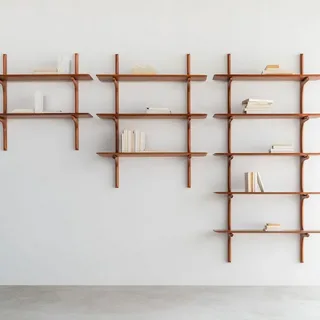
Every shelf has limits, and these limits depend on several factors.
The material, thickness, length, construction, support arrangement, mounting hardware, and wall structure all affect how much weight a shelf can safely hold.
A short shelf attached to strong supports may perform differently from a long shelf mounted with small brackets. Similarly, a shelf attached to suitable wall studs may have different capabilities from one attached to a weak or damaged wall surface.
Always check the manufacturer’s stated load capacity and any installation requirements. Do not assume that a thick wooden board is automatically suitable for heavy storage.
Distribute items sensibly instead of concentrating all the weight at one point. Heavy objects should only be placed where the shelf and supports are designed to carry them.
If you plan to store books, tools, large containers, or other heavy objects, prioritize structural performance over decorative appearance.
Inspect the shelf periodically for sagging, loose brackets, cracked wood, or movement at the mounting points. If any of these signs appear, remove the load and investigate the cause before using it again.
How to Install a Trallehylde
Correct installation helps a shelf remain stable and useful over time. The exact process depends on the product and the wall material, but several general steps apply to many wall-mounted designs.
Step 1: Examine the Wall
Determine whether the wall is made from drywall, plaster, brick, concrete, or another material.
Different surfaces require different fixings. A fastener suitable for masonry may not be appropriate for hollow drywall, and a fixing intended for light objects may be unsuitable for a heavily loaded shelf.
If you are unsure about the wall construction, seek appropriate guidance before drilling.
Step 2: Check the Mounting Hardware
Inspect the brackets, screws, anchors, and other supplied components.
Confirm that they are suitable for the wall type and the expected load. If the manufacturer specifies particular fixings, follow those instructions rather than substituting unrelated hardware.
For heavy shelves, locating suitable structural supports may be necessary.
Step 3: Measure the Position
Use a measuring tape and level to mark the intended location.
Check that the shelf will be straight and that there is sufficient clearance from nearby objects. If several shelves are being installed, plan their spacing before drilling.
Take time to check the measurements because correcting misplaced holes can damage the wall and make installation more difficult.
Step 4: Install the Supports
Follow the manufacturer’s instructions for fixing the brackets or mounting system.
Use appropriate tools and protective equipment. Before drilling, check for hidden electrical cables, plumbing, and other services.
If the installation involves heavy loads, uncertain wall conditions, or complicated mounting arrangements, professional assistance may be appropriate.
Step 5: Attach the Shelf
Once the supports are securely installed, attach the shelf according to the supplied instructions.
Check that the shelf sits correctly and that all necessary fasteners are tightened. Do not force components into position if the holes or brackets do not align.
Step 6: Test the Installation Carefully
Before adding ordinary household items, inspect the mounting points and verify that the shelf is stable.
Introduce the intended load gradually and remain within the manufacturer’s stated limits. If the shelf moves, tilts, or makes unusual noises, remove the load and investigate the problem.
A shelf should not be considered safe merely because it remains in place when empty.
How to Style a Trallehylde
Styling a wooden shelf involves balancing appearance with everyday usefulness.
Combine Different Heights
Objects of different heights can make a shelf more visually interesting.
For example, a taller vase may be placed beside a short stack of books, while a small plant fills an otherwise empty section. Varying heights creates contrast without requiring a large collection of decorations.
Use Natural Textures
Wood pairs well with materials such as ceramic, cotton, linen, glass, and woven baskets.
A combination of these textures can make a room feel warm without overwhelming the shelf’s simple construction.
Choose a few materials that complement the existing interior rather than introducing too many unrelated finishes.
Leave Empty Space
Filling every available section can make even a well-designed shelf look cluttered.
Leaving some space between objects allows the wooden surface to remain visible and makes individual items easier to notice.
This is especially useful in smaller rooms, where visual simplicity can help the space feel more open.
Introduce Plants Carefully
Small plants can add color and natural texture to a wooden shelf.
Choose plants that suit the room’s lighting and temperature. Consider the weight of the pot, the risk of water spills, and the shelf’s load capacity.
Use suitable saucers or protective containers where necessary to prevent moisture from damaging the wood.
Coordinate Colors
A wooden shelf can be combined with neutral colors, darker accents, or brighter decorative objects.
The best combination depends on the wood’s natural tone and the room’s existing color palette.
Pale wood may complement white, cream, and soft gray surfaces. Darker wood may create a stronger contrast against lighter walls.
There is no single correct approach. The aim is to create a consistent appearance that feels appropriate for the room.
Trallehylde and Sustainable Interior Design

Sustainability is an important consideration for many furniture buyers. Reusing suitable timber can extend the life of an existing material and reduce the need for new resources.
A shelf made from reclaimed wood may also retain distinctive features that would otherwise be lost when the original material is discarded.
However, the environmental impact of a product cannot be determined by the word reclaimed alone.
Buyers should consider where the wood came from, how it was processed, whether it required extensive transportation, and what finishes or treatments were applied.
The durability of the finished product is equally important. A well-made shelf that remains useful for many years may offer better long-term value than a poorly constructed alternative that needs frequent replacement.
Repairability also matters. Simple designs with replaceable hardware can be easier to maintain than products that rely on specialized components.
When sustainability is a priority, ask manufacturers specific questions about materials and production rather than relying entirely on general environmental claims.
DIY Trallehylde: Can You Build One Yourself?
Building a wooden shelf can be a practical project for someone with suitable tools, basic woodworking skills, and a clear design.
A simple version may use a wooden board or a series of slats, appropriate supports, fasteners, and a suitable finish. More complicated designs may require additional tools and joinery skills.
Before beginning, decide where the shelf will be used and what it needs to hold. These decisions affect the material, dimensions, support arrangement, and mounting method.
Plan the Design
Measure the available space and sketch the intended dimensions.
Consider whether you want a continuous surface or a slatted appearance. Think about the thickness of the timber, the spacing between slats, and the position of any brackets.
Planning the design before cutting materials helps reduce waste and makes the construction process easier.
Select Suitable Timber
Choose wood that is appropriate for the expected load and environment.
Inspect reclaimed timber for rot, cracks, loose joints, pests, and signs of contamination. Avoid using material of uncertain safety or structural condition.
If the shelf will be installed in a kitchen or bathroom, select a finish suitable for the expected exposure to moisture.
Prepare the Components
Measure carefully before cutting. Sand rough edges and inspect the components for defects.
If you are making a slatted design, keep the spacing consistent unless the design specifically requires variation.
Use appropriate woodworking practices and protective equipment when cutting, sanding, drilling, or applying finishes.
Assemble the Shelf
Join the components using a method suitable for the design and the expected load.
The quality of the joints affects the shelf’s stability. A decorative shelf holding lightweight objects may require a different construction approach from one intended for heavy books or tools.
Do not rely on glue, small nails, or decorative brackets without confirming that the complete structure is appropriate for the intended use.
Finish and Install
Apply a suitable finish according to the manufacturer’s instructions. Allow it to dry or cure fully before placing the shelf into service.
Install the finished shelf using hardware suited to the wall material and expected load.
If you are uncertain about structural requirements or safe mounting, consult an experienced carpenter or installer.
Cleaning and Maintaining a Wooden Trallehylde
Regular maintenance helps preserve the appearance and condition of wooden shelving.
For routine cleaning, remove dust with a soft cloth. If necessary, use a lightly damp cloth and dry the surface afterward. Avoid soaking the wood or allowing water to remain around joints and edges.
Use cleaning products that are suitable for the particular finish. Strong chemicals, abrasive pads, and excessive moisture may damage some surfaces.
Inspect the shelf periodically for loose fasteners, changes in the wood, or signs of moisture damage.
If the finish becomes worn, follow the manufacturer’s guidance for maintenance or refinishing. Some oiled surfaces may need occasional reapplication, while lacquered or sealed surfaces may require a different approach.
Reclaimed timber deserves particular attention because its previous treatment and condition may be uncertain. Do not sand or refinish unknown materials without considering possible coatings or contaminants.
In bathrooms and kitchens, ventilation and sensible placement can reduce exposure to moisture.
Good maintenance does not eliminate the need for proper installation, but it can help a well-made shelf remain attractive and functional.
Common Mistakes to Avoid
Choosing Appearance Over Function
A shelf may look attractive in a photograph but still be unsuitable for the intended purpose.
Check its dimensions, load capacity, materials, and mounting method before buying.
Ignoring Wall Construction
Different walls require different fixing methods. Using unsuitable anchors can cause the shelf to loosen or fall.
Understand the wall material and follow the installation requirements.
Overloading the Shelf
Heavy items can place significant stress on the board, brackets, and fixings.
Stay within the rated load and distribute items sensibly.
Placing Untreated Wood in Damp Areas
Moisture can cause swelling, staining, and deterioration.
Choose a product and finish suitable for the environment, and avoid locations where the wood will remain wet.
Buying Without Measuring
A shelf that is too deep or too long may interfere with furniture and movement.
Measure the available space and consider the objects you plan to store.
Assuming Reclaimed Wood Is Always Better
Reused timber can have environmental and aesthetic benefits, but its quality and history matter.
Check its condition, previous treatment, and suitability for indoor use.
Trallehylde Compared With Conventional Wooden Shelves
A trallehylde-inspired shelf and a conventional wooden shelf can serve the same basic purpose, but their construction and appearance may differ.
A conventional shelf often uses a continuous board with a relatively uniform surface. It can be particularly convenient for books, small objects, containers, and items that need stable contact with the shelf.
A slatted design uses separate pieces of timber, sometimes leaving small spaces between them. This can create a more open visual effect, although it may be less convenient for very small items.
Reclaimed-wood designs can introduce additional variations in grain and surface texture. Conventional new timber may offer a more consistent appearance.
Neither option is universally superior. The most appropriate choice depends on the intended use, the room’s design, the required load capacity, and the buyer’s preferences.
Price should also be considered alongside construction quality and expected lifespan. A low-cost shelf may be sufficient for light decorative use, while a more substantial product may be appropriate for regular storage.
How to Choose a Reliable Trallehylde Product
A careful purchasing process helps reduce the risk of choosing a shelf that does not meet expectations.
First, examine the product description. Look for the exact material, dimensions, finish, mounting method, and stated load capacity.
Second, review photographs from several angles. Close-up images can help reveal the surface texture, bracket arrangement, and quality of the finish.
Third, check whether mounting hardware is included. If it is not, determine what type of hardware is required and whether it is readily available.
Fourth, consider the intended environment. A shelf designed for a dry living room may not be suitable for an exposed balcony or a damp bathroom.
Fifth, review the seller’s policies and product information. Clear details about delivery, returns, maintenance, and warranty terms can make the purchase easier to evaluate.
Finally, consider the shelf as part of the room rather than as an isolated product. Its dimensions, color, and depth should suit the furniture and the items it will hold.
A good purchase combines appearance, appropriate construction, safe installation, and practical everyday use.
Is Trallehylde Suitable for Small Homes?
A wall-mounted shelf can be especially useful in a small home because it adds storage without occupying floor space.
Apartments, studio rooms, and compact offices often have limited room for cabinets and freestanding furniture. Using vertical wall space can help organize belongings while preserving the available floor area.
A narrow shelf above a desk may hold books and stationery. A small hallway shelf can provide a place for keys and lightweight accessories. In a living room, a carefully arranged shelf can display a few meaningful objects without requiring a large storage unit.
However, shelves should not be added without considering the overall layout. Too many shelves or excessive decorations can make a small room feel crowded.
Measure the available wall space, maintain clear walking routes, and choose a depth that suits the room.
The best solution is one that provides useful storage while keeping everyday activities comfortable.
The Long-Term Value of a Trallehylde
The value of a shelf depends on more than its initial price.
A well-chosen shelf can remain useful through changes in furniture, room layout, and personal preferences. Simple wooden designs are often easy to coordinate with different colors and decorative styles.
Durability, maintenance requirements, and repairability should all be considered when comparing products.
A shelf with replaceable brackets may be easier to maintain than one with a complicated mounting system. A durable finish may reduce the frequency of refinishing, while suitable construction can help prevent sagging and loose joints.
Timeless design can also contribute to long-term usefulness. A simple wooden shelf may continue to fit a room even when decorative trends change.
Buyers should still avoid assuming that a particular material or design guarantees a long lifespan. Construction quality, proper installation, and appropriate care remain essential.
Frequently Asked Questions About Trallehylde
What Does Trallehylde Mean in English?
Trallehylde is a Danish term associated with shelving made from or inspired by slatted wooden structures. The precise design varies by product, so it is best understood by examining the actual construction and manufacturer description.
Is Trallehylde Always Made From Reclaimed Wood?
No. Some products use reclaimed timber, while others are made from new wood, including oak or pine. The product’s material specifications should be checked before purchase.
Can a Trallehylde Be Used in a Kitchen?
Yes, if the material, finish, placement, and mounting system are suitable. Avoid prolonged exposure to water and steam, and ensure the shelf is rated for the intended load.
Is Trallehylde Suitable for a Bathroom?
Some designs may work in bathrooms when they are made from suitable materials and protected appropriately. Persistent moisture and direct water exposure can damage unsuitable wood, so follow the manufacturer’s recommendations.
Can I Build a Trallehylde at Home?
Yes. A basic wooden shelf can be a manageable DIY project for someone with appropriate tools and skills. Careful measurements, sound construction, suitable finishing, and secure mounting are essential.
How Much Weight Can a Trallehylde Hold?
There is no universal weight limit. Capacity depends on the timber, dimensions, supports, mounting hardware, and wall structure. Follow the manufacturer’s load rating and installation instructions.
How Do I Clean a Wooden Trallehylde?
Dust the surface regularly and wipe it with a lightly damp cloth when needed. Dry it afterward and use cleaning products appropriate for the finish. Avoid soaking the wood.
Is Trallehylde Suitable for Scandinavian Interiors?
Yes. Natural wood, simple shapes, and functional storage can complement Scandinavian-inspired interiors. The best result comes from choosing a finish and size that work with the room’s existing furniture.
Is a Slatted Shelf Better Than a Solid Shelf?
Neither is always better. Slatted shelves provide a distinctive open appearance, while solid shelves offer a continuous surface. Choose according to the objects you intend to store and the design you prefer.
What Should I Check Before Buying a Trallehylde?
Check the material, dimensions, finish, load capacity, mounting hardware, and suitability for the intended environment. Clear product information helps you make a more informed choice.
Conclusion
Trallehylde is a Danish term associated with wooden shelving inspired by slatted construction and, in some cases, reclaimed timber. Its appeal lies in the combination of practical storage, natural materials, and a design that can complement many types of interiors.
A suitable shelf can improve organization in living rooms, kitchens, bedrooms, hallways, and home offices. The right choice depends on the room’s available space, the items being stored, the material, and the mounting system.
Buyers should look beyond appearance and consider construction quality, load capacity, moisture resistance, maintenance, and installation requirements. Those interested in building their own shelf should plan the dimensions carefully and use materials and fixings appropriate for the intended purpose.
With thoughtful selection and proper care, a trallehylde can provide useful storage and a distinctive wooden accent without making a room feel crowded. The most successful design is one that combines attractive materials with safe construction and everyday functionality.













Leave a Reply