
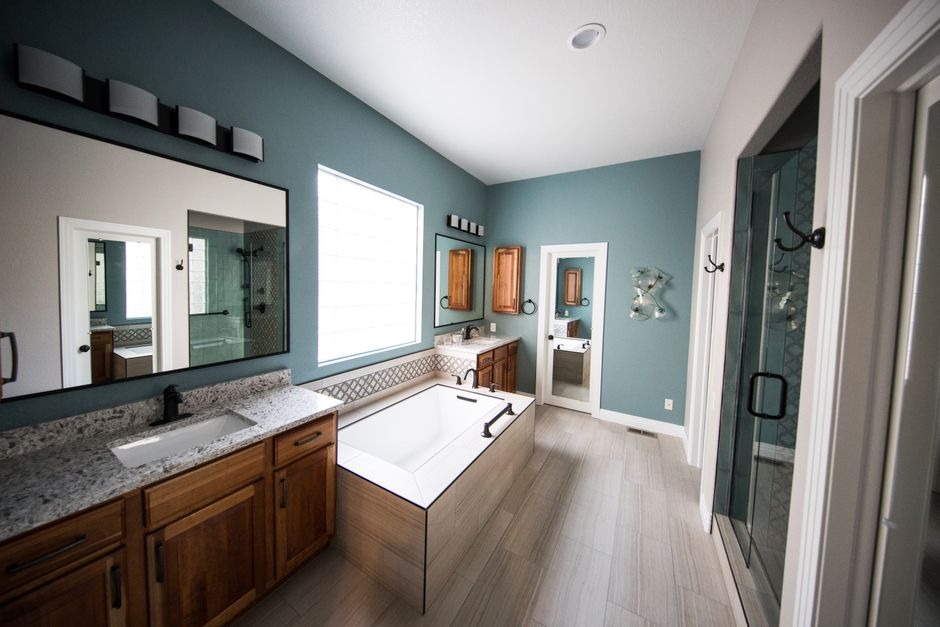
A bathroom update should improve routines and protect the home. The right choices can make daily routines easier, reduce maintenance, and help protect the home from costly moisture problems. In Illinois, older homes and seasonal humidity changes make planning important. A worthwhile remodel starts with clear practical priorities and durable improvements.
Start With the Problems You Face Every Day
Before choosing tile or fixtures, identify the frustrations you want the remodel to solve. A leaking shower door, poor lighting, limited storage, or a vanity that makes the room difficult to use may matter more than any design trend. Note what slows you down or creates extra cleaning.
Turn those observations into a clear project scope. If the room stays damp after showers, ventilation may need attention. If floors are uncomfortable in winter, consider whether suitable heating is practical. Addressing these problems first keeps the budget focused on useful improvements.
Choose Materials for Real-Life Use
Choose materials based on who uses the room and how much wear it receives. A family bathroom needs surfaces that tolerate frequent cleaning and splashes; a powder room may allow more flexibility. Consider slip resistance, durability, maintenance, and water exposure.
Porcelain tile is commonly used in wet areas because it is durable and available in many finishes. Quartz counters are valued for their low-maintenance surface, while large wall panels can reduce the number of grout lines in a shower. When comparing bathroom remodels, consider products that can handle household use and seasonal humidity changes without demanding constant upkeep. A finish is worthwhile only if it performs well over time.
Consider the Cost of Changing the Layout
Moving a toilet, shower, or bathtub can involve more than relocating a fixture. Plumbing changes may require opening walls or floors, adjusting drains, repairing subfloors, and obtaining permits where required. These tasks increase labor and material costs.
Keeping the layout may leave more money for durable surfaces, lighting, and waterproofing. However, preserving the footprint is not always the best choice. If the current arrangement makes the room difficult to navigate, a redesigned layout may provide lasting benefits. Compare the cost with the improvement in circulation and comfort.
Prioritize What Happens Behind the Walls
Visible finishes matter, but the work beneath them determines how well a bathroom lasts. Poor moisture protection can contribute to damaged drywall, deteriorating subfloors, mold growth, and repairs that are expensive to uncover and correct.
Ask how the shower and tub areas will be waterproofed. Find out which membrane or system will be used, how seams and corners will be sealed, and whether the substrate is suitable for wet conditions. Ask how plumbing penetrations and transitions will be sealed. The Environmental Protection Agency’s remodeling guidance explains why moisture management and proper ventilation deserve attention during renovation. Attractive finishes cannot compensate for poor installation.
Use Lighting to Improve Everyday Function
Lighting affects comfort and function. One ceiling fixture may leave shadows around the mirror or make the room feel harsh. Layered lighting combines ambient, mirror-side task, and optional accent lighting.
Fixtures placed on either side of a mirror can provide more balanced illumination than a single overhead source. Choose a color temperature suited to grooming. Dimmers can make the space more flexible, allowing brighter light in the morning and a softer setting in the evening. Good lighting should reflect how people use the room.
Design Storage Around Your Routine
Storage should keep frequently used items accessible and counters clear. A large vanity is not automatically the best solution if its drawers are awkward or its shelves waste space. Consider medicine cabinets, pullout organizers, vertical shelving, and dedicated spaces for towels and cleaning supplies.
Plan spaces for hair tools, toiletries, and everyday essentials. If electrical outlets are planned inside a cabinet, make sure the arrangement is safe and appropriate for the bathroom environment. Open shelves can look attractive, but they may collect dust and make clutter more visible. Well-planned storage makes the room easier to maintain.
Treat Ventilation as Essential
A bathroom fan must do more than make noise. It needs sufficient airflow and a duct that exhausts moisture outdoors rather than into an attic or another enclosed area. Poor ventilation can contribute to condensation, mildew, peeling paint, and deterioration of finishes.
Ask whether the existing fan is properly sized and whether the ductwork is clear, correctly routed, and suitable for the new setup. A timer or humidity-sensing control can help the fan continue running after a shower. The EPA recommends using bathroom exhaust ventilation to remove moisture and improve indoor air quality. Its guidance on biological contaminants and indoor air quality also explains how ventilation can help limit moisture-related problems. This upgrade helps protect the room and the home.
Use Trends Carefully
Trends can inspire, but permanent finishes should not depend on what is popular this year. Bold hardware, dramatic tile, and distinctive colors can look appealing, yet they may feel dated sooner than expected or become difficult to coordinate with the rest of the home.
Choose durable, versatile materials for major elements such as flooring, cabinetry, and shower surrounds. Add personality through paint, mirrors, lighting, towels, and hardware that can be changed more easily. This keeps the room current without requiring another major renovation. A cohesive design usually outlasts fashionable features.
Measure Success by the Difference It Makes
A worthwhile remodel improves everyday use. It should be easier to clean, comfortable, and suited to the household. It should also be built with appropriate materials and installation practices so that the improvements do not create new maintenance problems.
Before approving the final plan, review the scope, allowances, schedule, warranty details, and payment terms. Confirm who handles permits and inspections. Ask how unexpected damage will be handled and make sure changes are documented in writing. The best result solves real problems, protects the home, and serves its users for years.












Leave a Reply