
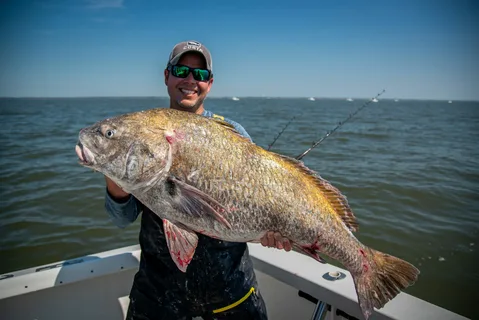
Introduction
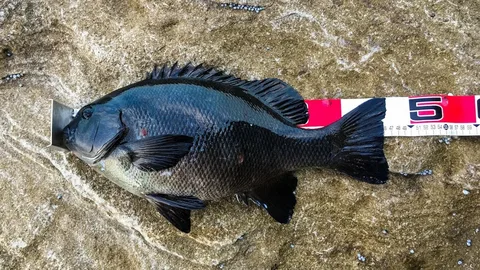
Drummer fishing is one of the most exciting forms of rock and coastal fishing, attracting anglers who enjoy the challenge of targeting strong, hard-fighting fish in rough ocean environments. The drummer fish, known for its powerful runs and remarkable ability to use ocean currents to its advantage, is a favorite target among recreational and experienced anglers alike. Often found around rocky headlands, reefs, breakwalls, and surf zones, drummer fish require specialized equipment, patience, and an understanding of tides and water conditions to catch successfully.
Unlike many offshore species, drummer fishing often takes place close to shore, making it an accessible and affordable option for fishing enthusiasts. However, the rocky environments where drummer fish live also present unique challenges, requiring anglers to prioritize safety while mastering effective fishing techniques.
This comprehensive guide explains what drummer fishing is, where drummer fish live, the equipment needed, the best bait choices, fishing techniques, seasonal patterns, safety precautions, conservation practices, and expert tips to improve your success on every trip.
What Is Drummer Fishing?
Drummer fishing refers to the practice of targeting drummer fish, a powerful coastal species commonly found in turbulent waters around rocky shorelines. These fish thrive in areas with strong waves, underwater structure, and abundant marine life.
Drummer fish are well known for:
- Strong fighting ability.
- Excellent stamina.
- Preference for rocky habitats.
- Opportunistic feeding behavior.
- Popularity among shore-based anglers.
Because they live close to rocks and underwater ledges, landing one requires both skill and quality equipment.
Where Are Drummer Fish Found?
Drummer fish inhabit coastal waters with plenty of natural structure.
Common fishing locations include:
- Rocky headlands.
- Ocean platforms.
- Coastal reefs.
- Breakwalls.
- Harbor entrances.
- Wave-washed rock shelves.
- Surf zones.
These environments provide food, shelter from predators.
Best Time for Drummer Fishing
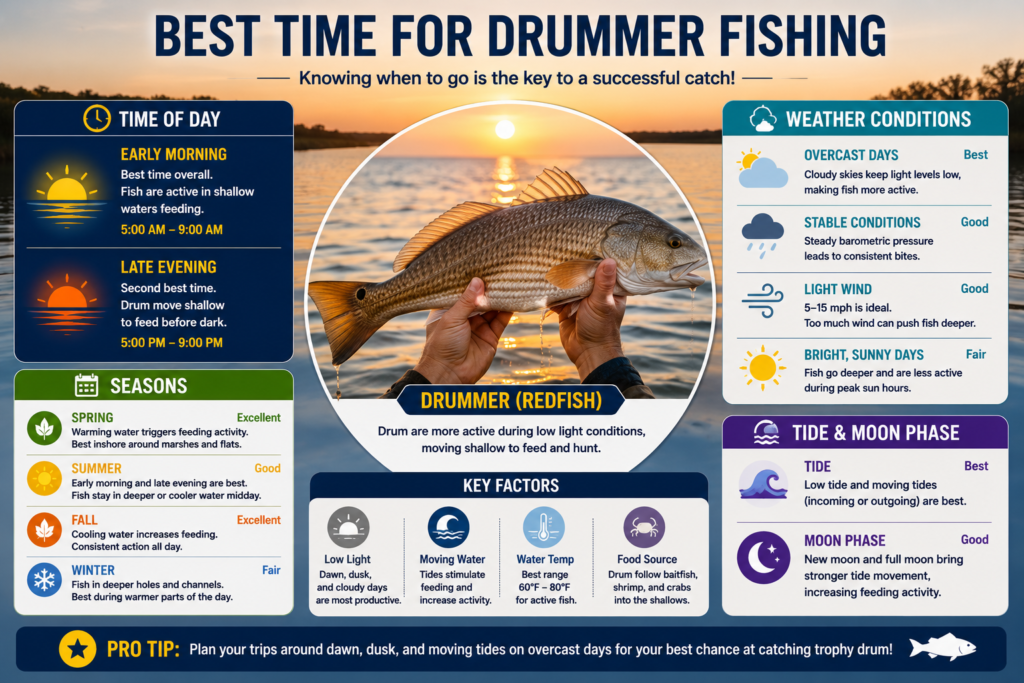
Successful fishing often depends on timing.
Many anglers prefer:
- Early morning.
- Late afternoon.
- Overcast conditions.
- Incoming tides.
- Moderate wave action.
Weather, water clarity, and seasonal migrations can also influence fish activity.
Essential Fishing Equipment
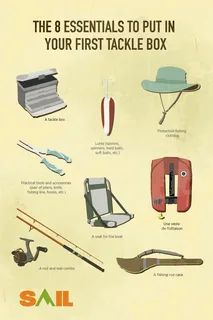
Using suitable tackle greatly increases your chances of success.
Recommended equipment includes:
Fishing Rod
A medium-heavy to heavy rock fishing rod provides the strength needed to control powerful fish near rocky structures.
Fishing Reel
A durable spinning reel with a smooth drag system helps manage long runs and sudden bursts of power.
Fishing Line
Many anglers choose braided line for its strength and sensitivity, often combined with a strong monofilament or fluorocarbon leader for abrasion resistance.
Hooks
Strong, corrosion-resistant hooks in appropriate sizes improve hook-setting performance and reliability.
Landing Net or Gaff
Depending on local regulations and fishing location, a landing net or gaff may assist in safely landing larger fish.
Best Baits for Drummer Fishing
Natural baits consistently produce excellent results.
Popular bait options include:
- Prawns.
- Crabs.
- Cunjevoi.
- Bread.
- Green weed.
- Marine worms.
- Shellfish.
Fresh bait attracts more bites frozen alternatives.
Effective Fishing Techniques
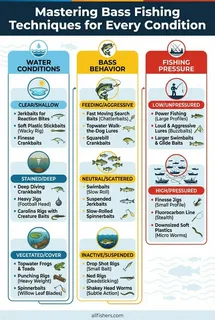
Different techniques can be successful depending on water conditions.
Float Fishing
Using a float allows bait to drift naturally with the current, keeping it within the feeding zone.
Bottom Fishing
Presenting bait close to the rocks targets fish feeding near the seabed.
Berleying
Creating a controlled berley trail attracts fish into casting range and encourages feeding activity.
Drift Presentation
Allowing bait to move naturally with wave action often produces more natural presentations.
Reading the Water
Experienced anglers spend time observing ocean conditions before making their first cast.
Look for:
- White water.
- Wash zones.
- Deep gutters.
- Rocky drop-offs.
- Current lines.
- Calm pockets beside rough water.
Understanding fish behavior greatly improves catch rates.
Safety While Rock Fishing
Rock fishing can be dangerous if proper precautions are ignored.
Essential safety practices include:
- Wear a life jacket.
- Check weather forecasts.
- Monitor wave conditions.
- Fish with a partner.
- Wear non-slip footwear.
- Avoid fishing during dangerous swells.
- Never turn back on the ocean.
Safety should always be the highest priority.
Common Mistakes Beginners Make
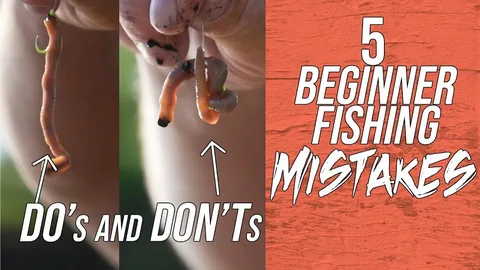
New anglers reduce their success making errors.
These include:
- Using tackle that is too light.
- Fishing at the wrong tide.
- Ignoring wave patterns.
- Using stale bait.
- Applying excessive drag pressure.
- Standing too close to dangerous wave zones.
Learning from experienced anglers helps build confidence and skills.
Conservation and Responsible Fishing
Protecting marine ecosystems ensures future generations can enjoy drummer fishing.
Responsible practices include:
- Following local fishing regulations.
- Respecting size and bag limits.
- Handling fish carefully.
- Releasing undersized catches.
- Properly disposing of fishing waste.
- Protecting coastal habitats.
Sustainable fishing supports healthy fish populations and marine biodiversity.
Tips for Improving Success
Consistent anglers often follow a few proven strategies.
Helpful tips include:
- Fish during favorable tides.
- Use fresh bait.
- Observe water movement before casting.
- Keep equipment well maintained.
- Learn local fishing spots.
- Be patient and adaptable.
Experience and observation are often more valuable than expensive equipment.
Future of Recreational Rock Fishing
Advances in fishing technology continue to improve the angling experience.
Emerging trends include:
- Lightweight carbon fiber rods.
- High-performance braided lines.
- Improved spinning reels.
- Fish-finding mobile apps.
- Weather forecasting tools.
- Sustainable fishing gear.
- Conservation-focused education.
These innovations help anglers fish more effectively while protecting marine environments.
SEO Importance of the Keyword “Drummer Fishing”
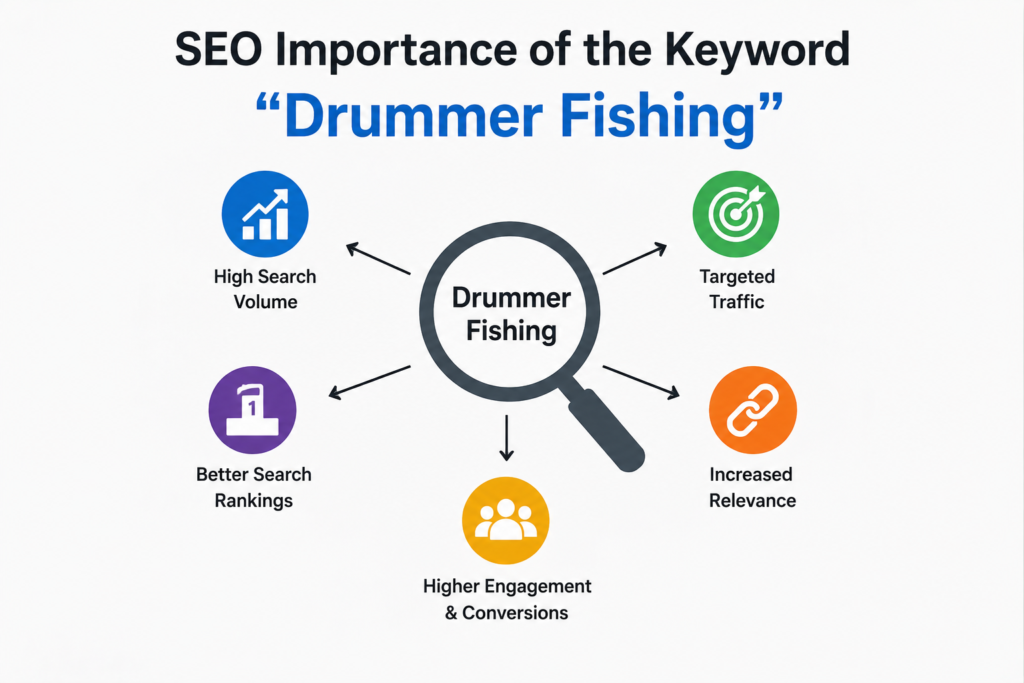
The keyword “drummer fishing” is frequently searched by recreational anglers seeking information about fishing techniques, tackle recommendations, bait selection, safety practices, and coastal fishing locations. Creating comprehensive, informative, and well-structured SEO content around this topic helps answer user questions, improve organic search rankings, and establish authority within the recreational fishing niche.
Conclusion
Drummer fishing is an exciting and rewarding form of coastal angling that combines skill, patience, and respect for the power of the ocean. Targeting these strong and resilient fish requires appropriate equipment, fresh bait, knowledge of tides, and an understanding of rocky shoreline environments. Whether you are a beginner looking to catch your first drummer or an experienced angler refining your techniques, preparation and safety are essential for a successful fishing experience.
As recreational fishing continues to grow in popularity, responsible practices and sustainable conservation efforts remain vital. By respecting local regulations, protecting coastal ecosystems, and continuously improving your fishing knowledge, you can enjoy the challenge of drummer fishing while helping preserve healthy marine environments for future generations.











Leave a Reply