
Introduction
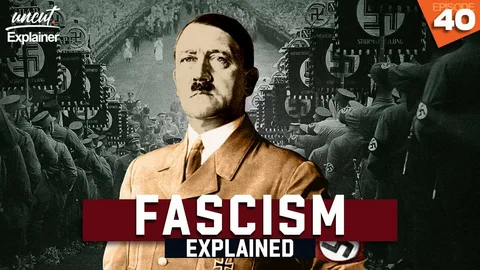
The term “Fascisterne” is the Danish word for “the Fascists.” It refers to individuals or groups associated with fascism, a far-right, authoritarian political ideology that emerged in Europe during the early twentieth century. Fascism has had a profound influence on modern history, shaping political movements, international conflicts, and debates about democracy, human rights, and governance. Although fascist governments were relatively short-lived, their impact continues to be studied by historians, political scientists, educators, and students around the world.
Understanding Fascisterne requires examining the historical circumstances that allowed fascist movements to rise, the principles that defined their ideology, the consequences of fascist rule, and the lessons societies have learned from this period. Rather than being simply a historical topic, fascism remains relevant because discussions about authoritarianism, nationalism, political extremism, and democratic institutions continue in many countries today.
This comprehensive guide explores the meaning of Fascisterne, the origins of fascism, its defining characteristics, historical development, global consequences, decline, continuing academic significance, and the importance of preserving democratic values.
What Does “Fascisterne” Mean?
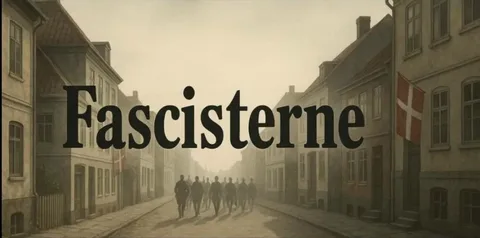
The Danish word Fascisterne literally translates to “the Fascists” in English. It generally refers to supporters or members of fascist political movements that emerged primarily during the early twentieth century.
Fascism is characterized by an authoritarian style of government that emphasizes centralized power, extreme nationalism, strict political control, and limited political opposition. Historically, fascist movements often rejected liberal democracy, promoted strong state authority, and sought to unite society under a single political leadership.
Today, the term is primarily used in historical, political, and academic discussions to describe those movements and the individuals associated with them.
Historical Origins of Fascism
Fascism developed in the aftermath of the First World War, a period marked by political instability, economic hardship, social unrest, and widespread dissatisfaction across parts of Europe. Many countries struggled with inflation, unemployment, weakened governments, and social divisions.
These conditions created opportunities for extremist political movements that promised national renewal, strong leadership, and political stability. Fascist movements gained support by presenting themselves as alternatives to both liberal democratic governments and communist movements.
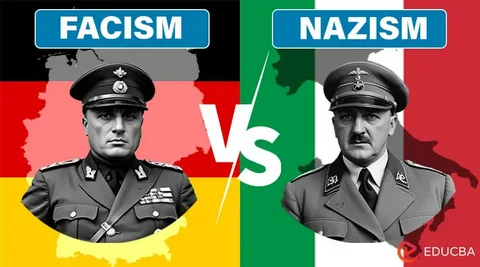
Although fascism appeared in several countries, it became most closely associated with certain European regimes during the interwar period.
Core Characteristics of Fascism
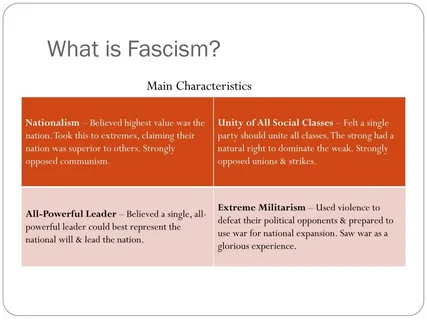
While fascist movements varied from country to country, historians generally identify several common characteristics.
Authoritarian Leadership
Fascist governments concentrated political authority in the hands of a single leader or ruling party while limiting democratic participation.
Extreme Nationalism
National identity and loyalty to the state were emphasized above individual rights or international cooperation.
Political Control
Independent political parties, opposition groups, and many civil liberties were often restricted or eliminated.
Propaganda
Governments used newspapers, radio, education, posters, and public events to influence public opinion and strengthen support for the ruling ideology.
Militarization
Military strength and national unity were frequently promoted as symbols of national pride and power.
Control of Institutions
Many fascist governments sought greater influence over education, media, labor organizations, and cultural institutions.
Why Fascism Gained Support
Historians point to several factors that contributed to the rise of fascist movements.
These included:
- Economic crises.
- Political instability.
- High unemployment.
- National humiliation after war.
- Fear of social unrest.
- Weak democratic institutions.
- Effective political propaganda.
These conditions varied between countries, but together they helped create environments in which authoritarian movements could gain support.
The Global Impact of Fascism
The rise of fascist governments significantly influenced twentieth-century history. Their expansionist policies, militarization, and political ambitions contributed to international tensions that ultimately played a major role in the outbreak of the Second World War.
The conflict caused immense human suffering, widespread destruction, and long-lasting political, economic, and social consequences across multiple continents. After the war, many nations strengthened international cooperation and developed institutions aimed at promoting peace, protecting human rights, and preventing future global conflicts.
Fascism and Democracy
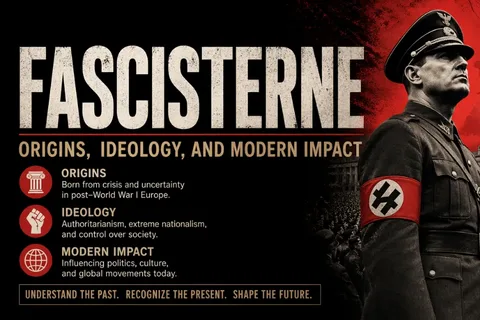
One of the most important contrasts examined by political scientists is the difference between fascist systems and democratic governance.
Democratic societies generally emphasize:
- Free elections.
- Rule of law.
- Independent courts.
- Freedom of expression.
- Political pluralism.
- Protection of civil liberties.
- Accountability of government.
These principles differ significantly from the centralized and authoritarian structures historically associated with fascist governments.
Studying Fascism Today
Fascism remains an important subject in education because it provides valuable historical lessons about political extremism, democratic institutions, civil rights, and international relations.
Researchers continue studying fascism through disciplines such as:
- History.
- Political science.
- Sociology.
- Economics.
- International relations.
- Law.
- Media studies.
Understanding historical events helps societies recognize the importance of democratic participation, responsible governance, and respect for human rights.
Common Misconceptions
Public discussions sometimes use the term “fascist” loosely or inaccurately. In academic contexts, however, the word has a specific historical and political meaning tied to identifiable ideological movements and governments.
Careful use of historical terminology helps encourage informed discussion while avoiding confusion or oversimplification.
Why Historical Education Matters

Studying difficult periods of history enables individuals to better understand the factors that influence political systems and social change.
Historical education encourages:
- Critical thinking.
- Evidence-based analysis.
- Respect for democratic institutions.
- Appreciation of human rights.
- Awareness of political extremism.
- Understanding of historical complexity.
These lessons remain valuable for future generations.
SEO Value of the Keyword “Fascisterne”
From an SEO perspective, Fascisterne is a specialized keyword often searched by students, educators, researchers, and readers seeking historical information about fascism, political ideologies, and twentieth-century European history. Publishing accurate, balanced, and well-researched educational content helps satisfy user intent while establishing topical authority.
Effective SEO practices include:
- Using clear headings.
- Providing factual historical context.
- Answering common questions.
- Including relevant historical terminology.
- Maintaining accurate and regularly updated content.
- Writing naturally without unnecessary keyword repetition.
The Continuing Relevance of Studying Fascism

Although fascist governments belong primarily to history, scholars continue examining their rise and decline to better understand how political systems develop, how democratic institutions can be strengthened, and how societies respond to periods of instability.
Ongoing research contributes to public understanding of governance, constitutional systems, political participation, media influence, and international cooperation. These discussions help preserve historical knowledge while encouraging informed civic engagement.
Conclusion
Fascisterne refers to the historical fascist movements and their supporters, whose influence shaped one of the most consequential periods of modern history. Understanding fascism requires examining its origins, ideological principles, historical development, and the profound consequences it had for nations and societies around the world.
Today, the subject remains an important area of historical and political study because it highlights the value of democracy, human rights, responsible leadership, and the rule of law. By learning from the past through careful, evidence-based analysis, societies can better appreciate the importance of protecting democratic institutions and promoting peaceful cooperation for future generations.












Leave a Reply