
Introduction
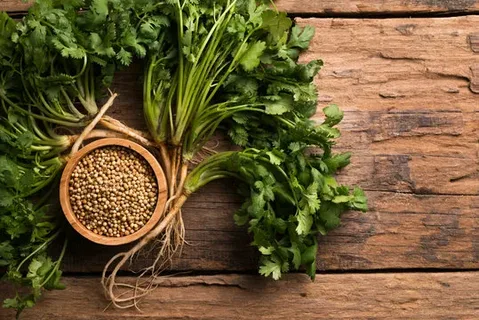
The term Koriandri is closely associated with coriander, one of the world’s oldest and most versatile herbs. Used for thousands of years in cooking, traditional medicine, and agriculture, coriander is valued for its distinctive aroma, refreshing flavor, and impressive nutritional profile. In many languages, “Koriandri” is simply a regional variation or translation of the word coriander, referring either to the fresh green leaves, commonly known as cilantro in some countries, or to the dried seeds used as a spice.
Today, coriander plays a significant role in cuisines across Asia, Europe, the Middle East, Africa, and the Americas. Its leaves, seeds, and even roots are incorporated into countless recipes, adding depth and freshness to soups, curries, salads, sauces, and marinades. Beyond the kitchen, coriander has attracted growing attention due to its potential health benefits, antioxidant properties, and role in balanced nutrition.
This guide explores the meaning of Koriandri, its historical background, culinary importance, nutritional value, health benefits, cultivation methods, and why it continues to be one of the most widely appreciated herbs around the globe.
Understanding Koriandri
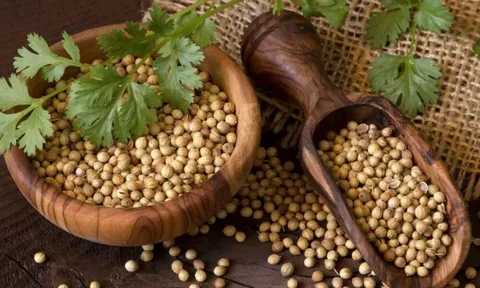
Koriandri refers to the herb scientifically known as Coriandrum sativum, a member of the parsley family. The plant produces fragrant green leaves, aromatic stems, delicate flowers, and small round seeds, each of which has its own culinary applications.
In many parts of the world:
- The fresh leaves are used as an herb.
- The dried seeds are used as a spice.
- The roots are commonly included in traditional recipes.
- The entire plant is valued for its aroma and flavor.
Its versatility has made it an essential ingredient in countless traditional and modern dishes.
A Brief History of Coriander
Coriander has been cultivated for thousands of years and is considered one of the oldest known culinary herbs. Historical records indicate that it was used by ancient civilizations for cooking, medicinal purposes, and even religious ceremonies.
Over time, coriander spread through trade routes and became an important ingredient in many regional cuisines. Today, it is cultivated across numerous countries due to its adaptability and widespread culinary demand.
Why Koriandri Is Popular Worldwide
Several factors contribute to coriander’s lasting popularity.
These include:
- Distinctive flavor.
- Versatility in cooking.
- Wide availability.
- Nutritional value.
- Traditional medicinal use.
- Compatibility with many cuisines.
Whether used fresh or dried, coriander enhances both simple and complex recipes.
Culinary Uses of Koriandri
One of coriander’s greatest strengths is its flexibility in the kitchen.
Popular uses include:
Fresh Leaves
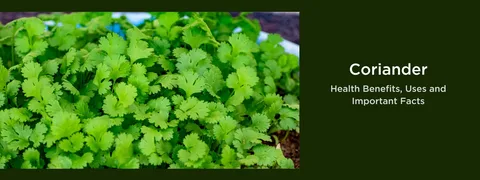
Fresh coriander leaves are commonly added to:
- Salads.
- Soups.
- Tacos.
- Rice dishes.
- Curries.
- Sandwiches.
- Salsas.
- Noodle dishes.
Coriander Seeds
The dried seeds are frequently used in:
- Spice blends.
- Curry powders.
- Marinades.
- Pickles.
- Baking.
- Meat seasonings.
Coriander Root
In several Asian cuisines, the roots contribute rich flavor to broths, sauces, and pastes.
Nutritional Value
Koriandri contains a variety of vitamins, minerals, and plant compounds.
Important nutrients include:
- Vitamin C.
- Vitamin K.
- Vitamin A
- Calcium.
- Magnesium.
- Iron.
- Dietary fiber.
It also contains natural overall health.
Potential Health Benefits
Research continues to explore coriander’s nutritional properties.
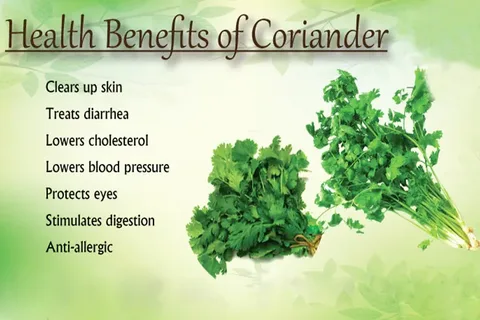
Potential benefits may include:
- Supporting normal digestion.
- Providing antioxidant compounds.
- Contributing to a balanced diet.
- Supporting overall wellness.
- Supplying essential vitamins and minerals.
While coriander is a nutritious food, it should not be considered a substitute for professional medical care or treatment.
Growing Koriandri at Home
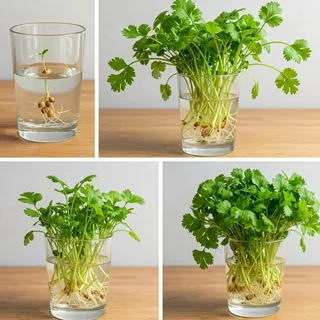
Coriander is relatively easy to cultivate in home gardens and containers.
Successful growing tips include:
- Plant in well-drained soil.
- Provide moderate sunlight.
- Water consistently without overwatering.
- Harvest leaves regularly.
- Allow some plants to produce seeds for future planting.
Home-grown coriander offers fresh flavor throughout much of the growing season.
Storage Tips
Proper storage helps preserve freshness and aroma.
Fresh coriander can be:
- Refrigerated.
- Wrapped in slightly damp paper towels.
- Stored upright in water.
- Frozen for longer preservation.
Dried coriander seeds should be kept in airtight containers away from heat and moisture.
Common Challenges
Like many herbs, coriander can present certain growing and culinary challenges.
These include:
- Rapid flowering in hot weather.
- Short shelf life after harvest.
- Differences in flavor preference.
- Susceptibility to some garden pests.
With proper care and storage, these challenges can be minimized.
Modern Trends
Interest in coriander continues to grow due to several food and lifestyle trends.
Current developments include:
- Plant-based cooking.
- Fresh herb gardening.
- Organic farming.
- International cuisine.
- Healthy eating habits.
- Sustainable food production.
Its versatility makes it a valuable ingredient in both traditional and contemporary recipes.
SEO Importance of the Keyword “Koriandri”
The keyword “Koriandri” attracts readers seeking information about coriander, culinary applications, nutritional value, gardening, and healthy eating. High-quality SEO content should explain the herb’s uses, cultural significance, and nutritional benefits while providing practical guidance supported by reliable information.
Conclusion
Koriandri, commonly known as coriander, remains one of the world’s most versatile herbs. From its fragrant leaves and aromatic seeds to its long history in global cuisine, it continues to play an important role in kitchens across many cultures. Rich in nutrients and valued for its distinctive flavor, coriander enhances countless recipes while contributing to a balanced diet.
Whether you are growing it in your garden, using it in homemade meals, or exploring international cuisines, Koriandri offers remarkable versatility and culinary value. Its enduring popularity reflects not only its unique taste but also its adaptability, nutritional qualities, and importance in food traditions around the world.












Leave a Reply