
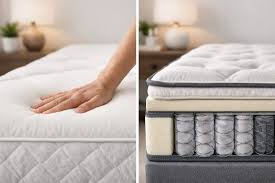
Choosing the right mattress is one of the most important decisions for improving sleep quality, spinal support, and overall health. Among the many mattress types available today, memory foam vs hybrid mattresses are two of the most popular options. While both are designed to provide comfort and support, they differ significantly in construction, feel, durability, cooling performance, motion isolation, and price. Understanding these differences can help you select the mattress that best suits your sleeping position, body type, and personal preferences.
Memory foam mattresses are made primarily from layers of viscoelastic foam that contour closely to the body’s shape. They are well known for pressure relief and motion isolation, making them a popular choice for side sleepers and couples. Hybrid mattresses, on the other hand, combine memory foam or latex comfort layers with an innerspring coil support system. This combination offers a balance of contouring comfort, responsiveness, airflow, and edge support.
Comparison Table: Memory Foam vs Hybrid Mattresses
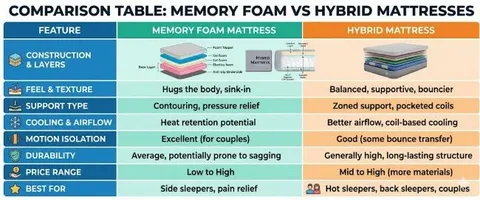
| Feature | Memory Foam Mattress | Hybrid Mattress |
|---|---|---|
| Construction | Multiple layers of memory foam and support foam | Foam or latex comfort layers with pocketed coil springs |
| Feel | Soft, contouring, body-hugging | Balanced, responsive, and slightly bouncy |
| Pressure Relief | Excellent | Very Good |
| Motion Isolation | Excellent | Good to Very Good |
| Edge Support | Moderate | Excellent |
| Cooling | Moderate (unless infused with cooling materials) | Excellent due to airflow through coils |
| Bounce | Low | Medium to High |
| Responsiveness | Moderate | High |
| Durability | 7–10 years | 8–12 years |
| Noise | Silent | Generally quiet due to pocketed coils |
| Weight Support | Good | Excellent for heavier sleepers |
| Temperature Regulation | Can retain heat | Better airflow and cooling |
| Ease of Movement | Moderate | Excellent |
| Price Range | Budget to Premium | Mid-range to Premium |
| Best For | Side sleepers, couples, pressure relief | Combination sleepers, back sleepers, hot sleepers |
What Is a Memory Foam Mattress?
A memory foam mattress is constructed using high-density viscoelastic foam that reacts to body heat and pressure. As you lie down, the foam molds to your body’s natural curves, distributing weight evenly and reducing pressure on sensitive areas such as the shoulders, hips, and lower back.
Modern memory foam mattresses often include:
- Comfort foam layer.
- Memory foam transition layer.
- High-density support foam.
- Cooling gel or graphite infusion.
- Breathable mattress cover.
These components work together to provide excellent comfort and spinal alignment.
What Is a Hybrid Mattress?
A hybrid mattress combines the comfort of foam with the support of individually wrapped steel coils. This design provides pressure relief while maintaining better airflow, stronger edge support, and increased responsiveness.
A typical hybrid mattress includes:
- Plush comfort layer.
- Memory foam or latex transition layer.
- Pocketed coil support core.
- Reinforced edge support.
- High-density base layer.
The combination of materials creates a balanced sleeping experience suitable for a wide range of sleepers.
Comfort Comparison
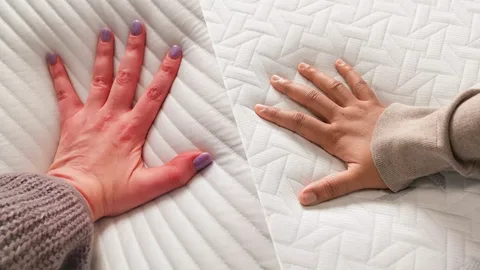
Memory foam delivers a deep, contouring sensation that many people describe as sleeping “in” the mattress. It gently conforms to the body’s shape, helping relieve pressure points.
Hybrid mattresses provide contouring without excessive sinkage. The coil system adds responsiveness, making movement easier while still offering comfortable support.
Support and Spinal Alignment
Both mattress types are designed to support healthy spinal alignment, but they achieve this differently.
Memory foam distributes body weight evenly across the sleeping surface, reducing stress on joints.
Hybrid mattresses use pocketed coils to provide targeted support while allowing foam layers to cushion the body.
Cooling Performance
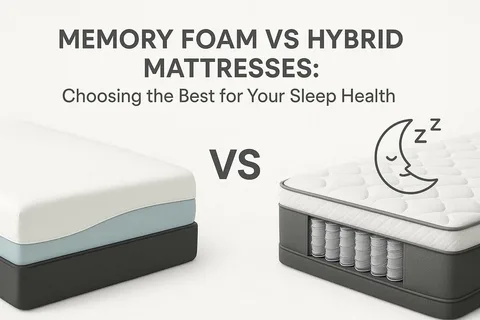
Temperature regulation is one of the biggest differences.
Memory foam can trap body because its structure. Manufacturers now include cooling technologies such as:
- Gel-infused foam.
- Copper-infused foam.
- Graphite foam.
- Open-cell foam.
- Phase-change materials.
Hybrid mattresses naturally sleep cooler because air circulates freely through the coil system.
Motion Isolation
Couples often prioritize motion isolation.
Memory foam excels at absorbing movement, preventing disturbances when one partner changes position.
Hybrid mattresses also reduce motion transfer, although the coil system may transmit slightly more movement than all-foam designs.
Edge Support
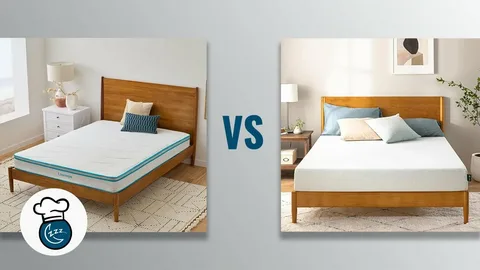
Strong edge support increases usable sleeping space.
Memory foam mattresses may compress more near the edges.
Hybrid mattresses typically include reinforced perimeter coils that provide better stability when sitting or sleeping near the edge.
Durability
Both mattress types can last many years with proper care.
Memory foam mattresses generally last:
- 7 to 10 years.
Hybrid mattresses typically last:
- 8 to 12 years.
Durability depends on material quality, usage, body weight, and maintenance.
Best Sleeping Positions
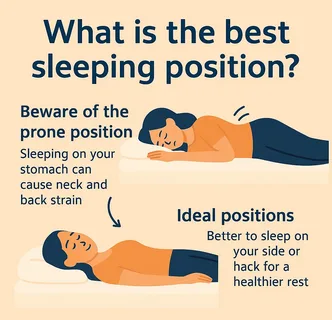
Different sleeping styles benefit from different mattress constructions.
Side Sleepers
Memory foam often provides better pressure relief around the shoulders and hips.
Back Sleepers
Hybrid mattresses provide balanced support that helps maintain spinal alignment.
Stomach Sleepers
Hybrid models usually prevent excessive sinking around the hips.
Combination Sleepers
The responsiveness of hybrid mattresses makes changing positions easier during the night.
Advantages of Memory Foam Mattresses
Benefits include:
- Excellent pressure relief.
- Outstanding motion isolation.
- Quiet operation.
- Body contouring.
- Reduced joint pain.
- Good spinal alignment.
Advantages of Hybrid Mattresses
Benefits include:
- Better airflow.
- Strong edge support.
- Increased responsiveness.
- Excellent durability.
- Balanced comfort.
- Suitable for most sleeping positions.
Which Mattress Should You Choose?
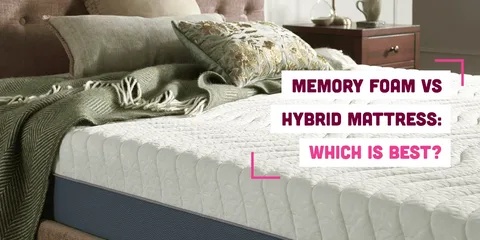
Your ideal mattress depends on your personal sleep preferences.
Choose a memory foam mattress if you:
- Prefer a body-hugging feel.
- Experience joint or pressure-point pain.
- Sleep mostly on your side.
- Share your bed with a partner and want excellent motion isolation.
Choose a hybrid mattress if you:
- Sleep hot.
- Prefer a more responsive surface.
- Frequently change sleeping positions.
- Need stronger edge support.
- Weigh more than average and require additional support.
Buying Tips
Before purchasing a mattress, consider:
- Mattress firmness.
- Body weight.
- Sleeping position.
- Cooling features.
- Warranty.
- Sleep trial period.
- Material quality.
- Budget.
Testing different mattress types whenever possible can help you make the best decision.
SEO Importance of the Keyword “Memory Foam vs Hybrid Mattresses”
The keyword “memory foam vs hybrid mattresses“ is frequently searched by consumers comparing mattress types before making a purchase. Comprehensive SEO content that includes comparison tables, detailed feature explanations, buying advice, and practical recommendations helps users make informed decisions while improving search engine visibility.
Conclusion
Both memory foam and hybrid mattresses offer excellent sleep experiences, but they cater to different needs. Memory foam stands out for its exceptional pressure relief, motion isolation, and body-contouring comfort, making it ideal for side sleepers and couples. Hybrid mattresses combine supportive coils with comfortable foam layers to deliver superior airflow, responsiveness, edge support, and versatility across multiple sleeping positions.
Ultimately, the best mattress depends on your individual preferences, sleeping habits, and comfort requirements. By comparing their construction, performance, durability, and overall feel, you can confidently choose a mattress that promotes restful sleep, healthy spinal alignment, and long-term comfort.











Leave a Reply