
Fitness and physical well-being involve several factors, including nutrition, exercise, sleep, and recovery. People researching fitness products often encounter supplements marketed for weight management alongside experimental compounds discussed in connection with tissue repair. Understanding the differences between these products, the available scientific evidence, and their potential risks helps consumers make informed decisions.
Thermo Lipid Stack and TB500 UK represent two different areas of interest within the broader fitness and wellness market. One term may refer to a thermogenic supplement formulation, while the other relates to an experimental peptide discussed in recovery research. Neither product name alone establishes its ingredients, quality, effectiveness, or safety for human use.
What Is a Thermogenic Supplement?
Thermogenic supplements are products marketed to influence energy expenditure, metabolism, or other processes associated with body composition. Depending on the formulation, they may contain caffeine, plant extracts, or other ingredients promoted for weight management.
Caffeine, for example, stimulates the central nervous system and can temporarily increase alertness and energy expenditure. However, this does not mean every supplement containing caffeine produces substantial or sustained weight loss.
The scientific evidence varies considerably between ingredients. According to the US National Institutes of Health Office of Dietary Supplements, many weight-loss supplements have limited evidence supporting their effectiveness, and some can cause adverse effects or interact with medicines.
Consumers should therefore assess the actual ingredients and supporting research instead of relying on marketing descriptions.
What Should Consumers Know About Thermo Lipid Stack?
The name Thermo Lipid Stack may be used for a product or combination marketed for metabolic support and weight management. Its precise composition cannot be established from the name alone, so the ingredient label and manufacturer documentation are important starting points.
Different formulations can contain different quantities of active ingredients. Some may include stimulants, while others may use plant extracts or additional compounds. These differences can substantially affect the potential benefits and risks.
Before considering a product, consumers should investigate whether its claims are supported by human clinical studies, whether the ingredients are clearly identified, and whether relevant safety warnings are provided.
Products promising effortless fat loss or guaranteed physical transformations deserve particular caution. A supplement should not replace balanced nutrition, regular physical activity, or professional advice when needed.
What Is TB-500 and Why Is It Discussed in Recovery Research?
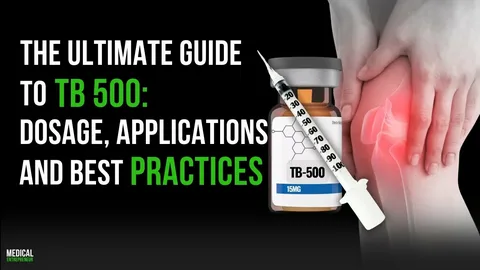
TB-500 is commonly described as a synthetic peptide fragment related to thymosin beta-4, a naturally occurring protein involved in biological processes such as cell movement. Researchers have investigated related biological mechanisms in laboratory and animal studies examining tissue repair.
However, the distinction between a laboratory finding and a proven medical treatment is important. Results involving full-length thymosin beta-4 cannot automatically be applied to a shorter peptide fragment marketed as TB-500.
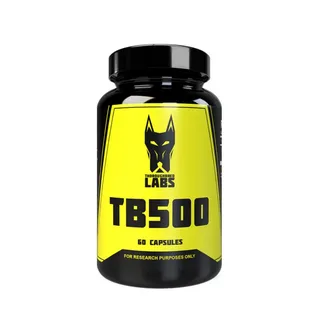
Research into TB500 UK products and related compounds has attracted interest among people seeking information about recovery. Nevertheless, the evidence does not establish that products sold under this name reliably accelerate human muscle, tendon, or ligament healing.
The US Food and Drug Administration has identified significant gaps in the available evidence concerning the specific TB-500 fragment, including a lack of identified human exposure data and concerns about potential immune reactions and peptide impurities.
What Does the Evidence Say About Peptide-Based Recovery Products?
Peptide research is an evolving scientific field, but promising laboratory observations do not guarantee clinical benefits. A compound may affect particular cellular processes in an experimental setting without producing a meaningful improvement in human health.
To establish a treatment’s effectiveness, researchers need appropriately designed human clinical trials that evaluate relevant outcomes and monitor adverse effects. These studies help determine whether potential benefits outweigh the risks.
For experimental peptides, uncertainty may involve the substance’s identity, purity, stability, biological activity, and long-term effects. Products purchased through unverified sources may introduce additional concerns about manufacturing quality and contamination.
Consumers should therefore avoid interpreting online testimonials or seller descriptions as proof of effectiveness. A product’s popularity does not establish that it is an appropriate treatment for an injury.
How Do Weight-Management Supplements and Experimental Peptides Differ?
Although both categories appear in fitness discussions, their intended purposes and evidence bases differ.
| Consideration | Thermogenic supplements | Experimental peptides |
| Main area of interest | Energy expenditure and weight management | Biological processes investigated in recovery research |
| Ingredients | Vary by formulation | Depend on the specific peptide and product |
| Scientific evidence | Varies considerably by ingredient | Often limited to laboratory or animal research for experimental compounds |
| Safety considerations | May include stimulant effects and medication interactions | May include uncertain purity, immune reactions, and unknown long-term risks |
| Practical priority | Review ingredients and credible evidence | Establish the exact substance and understand its experimental status |
Neither category should be assumed effective simply because it is marketed toward fitness enthusiasts. Evaluating each product individually is more useful than comparing promotional claims.
What Safety Considerations Matter Before Using These Products?
Safety depends on the actual ingredients, the quality of the product, and the individual’s medical circumstances.
Stimulant-containing supplements may cause nervousness, sleep disturbances, increased heart rate, or elevated blood pressure. Combining several products with overlapping stimulant ingredients may increase these effects.
Experimental peptides present different uncertainties. Limited human evidence makes it difficult to determine their appropriate medical uses, possible interactions, and long-term safety. Injectable products may also carry risks related to contamination and injection-associated infections.
Anyone taking prescription medication or managing a medical condition should discuss supplements with a qualified healthcare professional. Persistent pain or an injury should also be evaluated by an appropriate clinician rather than treated solely through experimental products.
For additional guidance, the NIH Office of Dietary Supplements provides a useful overview of dietary supplements for weight loss. The FDA also provides information about potential safety risks involving certain substances used in compounding.
What Supports Sustainable Fitness and Recovery?
A consistent lifestyle programme offers a practical foundation for improving fitness and managing body composition. Nutrition, exercise, sleep, and recovery work together to support general health.
A balanced diet should provide sufficient energy, protein, carbohydrates, healthy fats, vitamins, and minerals. Individual nutritional requirements depend on activity levels, health, and personal goals.
Resistance training can help develop strength when exercise selection, workload, and rest periods are appropriate. Cardiovascular activity supports overall fitness, while adequate sleep helps maintain concentration and training performance.
People recovering from injuries may benefit from professional assessment and an individualised rehabilitation programme. Depending on the injury, appropriate treatment may include activity modification, therapeutic exercises, and gradual return to normal activity.
These established approaches provide a more dependable starting point than relying on products with uncertain benefits.
How Can Consumers Make Better-Informed Decisions?

Anyone researching Thermo Lipid Stack should first verify its ingredients, review credible evidence, and examine possible side effects. The product’s marketing claims should be compared with what published research actually demonstrates.
Likewise, people investigating TB500 UK should distinguish experimental research from established medical treatment. They should verify the exact substance being discussed and understand that related research does not automatically establish the safety or effectiveness of a product sold under that name.
Useful questions include:
- Are the ingredients and concentrations clearly documented?
- Is there reliable human evidence supporting the advertised purpose?
- Are potential side effects and interactions explained?
- Is the product authorised for the intended use?
- Would professional medical advice help clarify the risks?
These checks encourage a more evidence-based approach to fitness and wellness decisions.
Conclusion
Thermogenic supplements and experimental peptides attract attention for different reasons, but their potential benefits should always be evaluated against reliable scientific evidence. Product names alone cannot establish effectiveness, quality, or suitability for an individual.
A responsible approach prioritises transparent ingredient information, awareness of potential adverse effects, balanced nutrition, regular exercise, and professional guidance when necessary. Understanding what research has established—and what remains uncertain—helps consumers make better-informed decisions about fitness, recovery, and long-term well-being.




Leave a Reply