
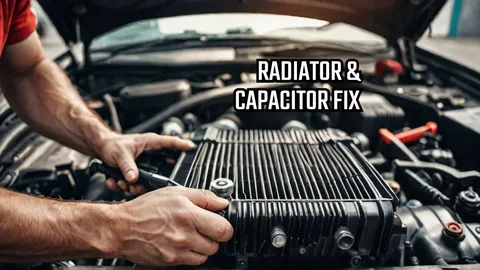
A car can seem perfectly normal one day and start showing signs of a cooling problem the next. You may notice a small puddle under the vehicle, an unusual smell after parking, or a temperature gauge that seems higher than usual. Sometimes the warning signs are easy to miss because they appear gradually.
The radiator is one of the main components responsible for controlling engine temperature. It works together with coolant, hoses, a water pump, thermostat, fan, and several other parts. When one part of this system stops working correctly, the engine may struggle to get rid of excess heat.
That is why radiator repair is not simply about fixing a visible leak. A proper repair begins with understanding what is happening inside the entire cooling system.
A Radiator Does More Than Hold Coolant
Many people think of a radiator as a container filled with coolant. In reality, its job is much more active.
Coolant travels through the engine and absorbs heat produced during operation. The heated liquid then moves through the radiator, where heat is transferred away as air passes through the radiator’s tubes and fins.
The cooled liquid then returns to the engine and the process continues.
If airflow, coolant circulation, or heat transfer is interrupted, the engine may begin running hotter than it should.
The First Warning May Be Small
Cooling problems do not always begin with dramatic overheating.
Sometimes the first indication is a small amount of liquid underneath the car after it has been parked.
Another vehicle might develop a faint sweet smell around the engine compartment.
Some drivers notice that the temperature gauge sits slightly higher than it normally does.
These signs should not automatically be ignored just because the vehicle still drives normally.
A small cooling-system problem can become much more serious if it continues unnoticed.
Understanding a Coolant Leak
A coolant leak means that liquid is escaping from somewhere in the cooling system.
The radiator can be the source, but it is not the only possibility.
Coolant may escape from a hose, clamp, water pump, thermostat housing, reservoir, or another connection.
This distinction matters because replacing the radiator will not solve a leak that is actually coming from another component.
A technician therefore needs to identify the exact source before recommending a repair.
Why the Location of a Leak Matters
Finding a puddle does not always tell you where the leak started.
Coolant can travel across different surfaces before reaching the ground. A leak near the front of the vehicle may come from the radiator, but it could also originate from another cooling-system component.
A professional inspection can help trace the leak back to its source.
In some situations, a cooling-system pressure test can make a difficult leak easier to locate.
What a Temperature Gauge Can Tell You
The temperature gauge provides useful information about engine cooling.
A normal gauge position varies by vehicle, but drivers usually become familiar with where their vehicle normally operates.
If the gauge begins moving noticeably higher than usual, that change deserves attention.
A sudden rise can indicate a serious cooling problem.
A gradual increase may point toward issues such as restricted airflow, low coolant, thermostat problems, fan problems, or other cooling-system faults.
The gauge should therefore be treated as an early warning system.
Overheating While Driving
An overheating engine should not be treated as a minor inconvenience.
When the engine temperature becomes dangerously high, continuing to drive can cause significant damage.
If the vehicle begins overheating, the driver should move to a safe location and follow the manufacturer’s guidance for dealing with the situation.
Opening a hot radiator or coolant reservoir can be dangerous because the system may be under pressure.
Allowing the vehicle to cool safely is important before attempting any inspection.
Why Traffic Can Expose a Weak Cooling System
A vehicle may behave normally on an open road but become hot while sitting in traffic.
There is a simple reason for this.
At higher speeds, air naturally moves through the radiator.
When the vehicle is stationary or moving slowly, the cooling fan becomes much more important.
If the fan is not working properly, airflow through the radiator can become insufficient.
This means an overheating problem that appears mainly in traffic may not necessarily mean that the radiator itself has failed.
A Faulty Fan Can Look Like a Radiator Problem
Cooling fans can fail because of electrical faults, damaged motors, relays, sensors, wiring, or other related problems.
If the radiator is healthy but airflow is inadequate, replacing the radiator may not correct the issue.
This is one reason experienced technicians look at the complete cooling system rather than focusing on a single component.
A correct diagnosis saves time and avoids unnecessary parts replacement.
The Role of the Thermostat
The thermostat controls when coolant begins circulating through the appropriate parts of the cooling system.
If it becomes stuck, coolant flow can be affected.
A thermostat that does not operate correctly may contribute to overheating or unusual engine temperature behavior.
Because thermostat problems can produce symptoms similar to radiator problems, the component may be checked during a cooling-system diagnosis.
The Water Pump Also Matters
Coolant needs to circulate.
The water pump helps move coolant through the engine and cooling system.
If the pump is damaged or its operation becomes unreliable, coolant circulation may be reduced.
A failing water pump can sometimes produce noise, leakage, or overheating.
This is another example of why the phrase “radiator problem” does not always mean that the radiator is the actual cause.
Radiator Corrosion
Radiators are exposed to heat, moisture, vibration, and environmental conditions throughout their service life.
Over time, corrosion can develop.
Corrosion may weaken metal sections, connections, or other parts of the radiator.
Once corrosion becomes extensive, repairing one small area may not provide a reliable long-term solution.
A technician can inspect the overall condition and determine whether repair is reasonable or replacement is more practical.
Road Debris Can Cause Physical Damage
The radiator is positioned where it can receive airflow from the front of the vehicle.
Unfortunately, that also means it can be exposed to road debris.
Small stones, dirt, and other objects can damage the radiator fins or, in severe cases, the radiator itself.
Bent fins can restrict airflow.
Physical damage should therefore be inspected carefully, particularly after an accident or impact.
Why Radiator Fins Are Important
The fins may look insignificant, but they play an important role in heat transfer.
They provide additional surface area so heat can move from the radiator into the surrounding air.
If a large portion of the fins becomes blocked, bent, or damaged, cooling performance can suffer.
Not every bent fin requires radiator replacement, but extensive damage deserves professional inspection.
When a Flush May Be Needed
Coolant should remain reasonably clean and compatible with the cooling system.
Over time, contamination, deposits, or corrosion products can affect the system.
A coolant flush may be recommended when the system contains contamination or when the vehicle has reached the manufacturer’s recommended service interval.
However, a flush is not a universal solution for every overheating problem.
If the radiator has structural damage or a serious leak, cleaning the system will not repair the physical problem.
The Danger of Ignoring Small Leaks
A small leak may not seem urgent because the vehicle can still be driven.
The problem is that coolant loss can continue.
As the coolant level falls, the cooling system may become less effective.
Eventually, the engine may overheat.
A leak that could have been addressed early may then become part of a much larger repair.
This is why visible coolant loss should be investigated rather than repeatedly ignored.
Can Stop-Leak Products Solve the Problem?
Some products are marketed as quick solutions for cooling-system leaks.
They may provide temporary assistance in certain situations, but they should not automatically be considered a permanent repair.
A product that temporarily reduces a leak does not necessarily restore the radiator to its original condition.
It can also make later diagnosis or repair more complicated in some circumstances.
For a persistent leak, identifying the actual source is generally a more reliable approach.
When Radiator Repair Makes Sense
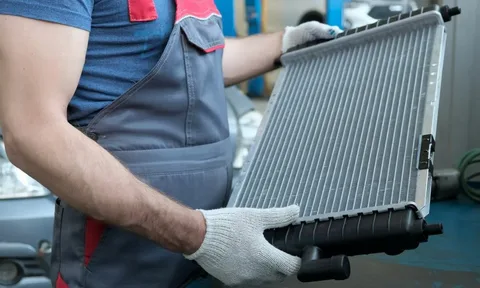
Repair can make sense when the damage is limited and the radiator remains in otherwise good condition.
The decision may depend on the location of the leak, radiator construction, age, corrosion level, and availability of suitable repair methods.
A professional can inspect the radiator and explain the available options.
The cheapest immediate repair is not always the most economical long-term solution.
When Replacement May Be More Practical
A replacement radiator may make more sense when the existing unit is severely corroded, extensively damaged, repeatedly leaking, or otherwise unreliable.
The age of the radiator can also influence the decision.
If several areas are beginning to fail, repairing one leak may only postpone another problem.
In those situations, replacement can provide a more dependable solution.
Choosing the Right Replacement Radiator
If replacement is required, compatibility matters.
A radiator should be appropriate for the specific vehicle, engine configuration, and cooling-system requirements.
The cheapest available part is not necessarily the right choice.
Vehicle owners should consider the quality, specifications, warranty, and reputation of the replacement component.
A qualified repair shop can help determine the correct part.
Why Coolant Quality Matters
Coolant does more than carry heat away from the engine.
The correct coolant also provides protection against corrosion and freezing and is designed to work with the materials used inside the cooling system.
Different vehicles can require different coolant specifications.
Mixing unsuitable products can create problems.
Always check the vehicle manufacturer’s recommendations before selecting coolant.
Checking the Cooling System After Repair
Completing the repair is not the final step.
The cooling system should be checked afterward to make sure the original problem has been resolved.
Depending on the repair, this may involve checking coolant level, looking for leaks, confirming fan operation, and monitoring engine temperature.
A proper repair should address the cause rather than simply hiding the symptom.
Radiator Problems After an Accident
A vehicle collision can affect the cooling system even when the radiator does not appear severely damaged from a distance.
The radiator, condenser, mounting points, hoses, and surrounding components may be affected.
A damaged radiator may develop a leak later rather than immediately.
After a significant front-end impact, the cooling system should be inspected before the vehicle returns to normal use.
Strange Smells Around the Engine
A noticeable smell after driving can sometimes indicate a coolant problem.
If coolant reaches a hot engine surface, it may produce a distinctive odor.
However, different mechanical problems can produce different smells, so smell alone is not enough to diagnose a radiator problem.
If an unusual smell is accompanied by low coolant, visible leakage, or rising engine temperature, the vehicle should be inspected.
Why Preventive Inspection Helps
Many cooling-system failures provide warning signs before they become severe.
Regular inspections can identify cracked hoses, loose connections, corrosion, damaged fins, or low coolant levels.
Catching these issues early may reduce the chance of an unexpected breakdown.
Preventive maintenance is particularly useful for older vehicles and cars that are driven frequently in heavy traffic or demanding conditions.
Radiator Repair for High-Mileage Vehicles
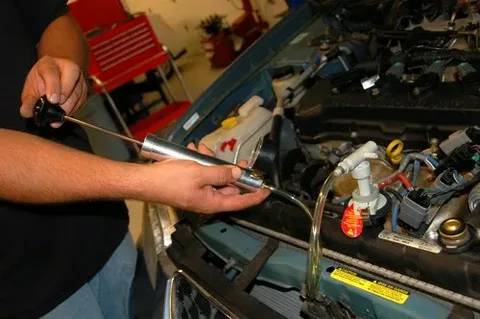
High-mileage vehicles deserve extra attention because cooling-system components naturally experience wear.
A radiator may still be functioning, but hoses, clamps, thermostat components, water pumps, and other parts may be approaching the end of their useful life.
During routine service, it can be helpful to inspect the cooling system as a whole.
This gives the owner a better understanding of what may need attention in the future.
What Drivers Should Never Ignore
Certain warning signs deserve immediate attention.
These include:
- Rapidly rising engine temperature
- Steam from the engine compartment
- A major coolant leak
- Repeated overheating
- Very low coolant level
- A temperature warning light
- A strong coolant smell combined with visible leakage
Continuing to drive through severe overheating can turn a cooling-system repair into an engine repair.
Keeping the Cooling System Healthy
A healthy cooling system depends on several components working together.
Use the recommended coolant.
Follow the manufacturer’s maintenance schedule.
Inspect hoses and connections periodically.
Pay attention to the temperature gauge.
Do not ignore leaks.
Have unusual overheating investigated early.
These simple habits can help reduce the risk of major cooling-system trouble.
Finding a Reliable Radiator Repair Shop
The quality of diagnosis is often just as important as the repair itself.
When choosing a workshop, look for technicians who are willing to explain the problem clearly.
A trustworthy repair process should identify the cause, explain the recommended solution, and provide a reasonable estimate before major work begins.
If a technician immediately recommends replacing expensive parts without checking the rest of the cooling system, it may be reasonable to ask for a more complete diagnosis.
Questions Worth Asking Before Repair
Before approving radiator work, vehicle owners can ask:
What exactly is leaking?
Is the radiator itself damaged?
Could another cooling component be causing the problem?
Can the radiator be repaired?
Would replacement provide better long-term value?
Has the cooling fan been tested?
Has the system been checked for other leaks?
What type of coolant should be used?
What caused the original problem?
Clear answers can make the repair process easier to understand.
The Real Value of Early Radiator Repair
The main benefit of repairing a cooling-system problem early is not simply saving the radiator.
It is protecting the engine.
A relatively small leak or worn component can sometimes be repaired without major expense. If the problem is ignored until the engine overheats severely, the consequences can be much more serious.
Early attention gives vehicle owners more options.
Instead of dealing with an emergency, they can arrange an inspection and decide on the appropriate repair under normal circumstances.
Final Thoughts
Radiator problems can begin quietly. A small leak, unusual smell, damaged fin, rising temperature gauge, or cooling fan issue may be the first indication that something is wrong.
The important thing is to avoid assuming that every overheating problem is caused by the radiator itself. The cooling system contains several interconnected components, and accurate diagnosis is the key to choosing the correct repair.
Regular maintenance, correct coolant, early inspection, and attention to warning signs can all help keep the cooling system working properly.
When a radiator does need repair or replacement, dealing with the issue promptly can help protect the engine and reduce the possibility of a much more expensive mechanical problem later.











Leave a Reply