
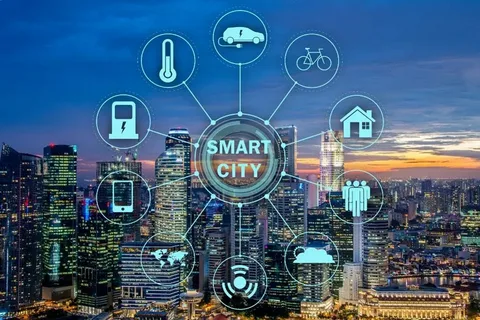
There was a time when the rhythm of a city was easy to recognize. Shops opened in the morning, buses moved through familiar streets, offices filled during working hours, and neighborhoods became quieter after sunset. People generally knew how long it took to travel somewhere, where they could find a particular service, and how long a simple task might take.
Modern cities are different.
Today, urban life can change within months, sometimes even weeks. A new business appears on a familiar street. A neighborhood becomes popular because of a new transportation connection. People order products from their phones instead of visiting stores. Employees work from home, cafés become temporary offices, and local businesses reach customers hundreds or thousands of miles away.
This changing rhythm is one way to understand the idea of an Acceleration City.
The term describes more than fast transportation or modern technology. It reflects a broader change in how cities function and how people experience them. Work moves faster, information travels instantly, businesses respond to customers quickly, and people expect everyday services to be more convenient than they were in the past.
But acceleration is not only about speed.
It is also about change.
A city can feel accelerated when its neighborhoods, economy, transportation, technology, and culture are constantly evolving. For residents, this can create exciting opportunities. At the same time, it can bring uncertainty, higher expectations, crowded spaces, and pressure to keep up.
Understanding Acceleration City therefore means looking at both sides of modern urban life.
The City Is No Longer a Static Place
A city may look permanent from the outside. Roads, buildings, bridges, parks, and neighborhoods can remain in place for decades. Yet the way people use those spaces can change quickly.
A building that once contained offices might become apartments. An old warehouse might turn into a restaurant or creative workspace. A quiet neighborhood can become a busy commercial area. A street designed mainly for cars may later include bicycle lanes, wider sidewalks, or public transportation.
This constant adjustment is part of urban acceleration.
The physical city may change slowly, but the behavior of its population can change very quickly.
Technology makes this process even more noticeable.
A new application can change how residents order food. A delivery service can change shopping habits. A social platform can make a previously unknown neighborhood popular almost overnight.
As people’s habits change, businesses and city planners respond.
Then the new environment changes people’s habits again.
This creates a continuous cycle.
What Makes a City Feel Fast?
Speed is not always measured in kilometers or miles per hour.
Sometimes a city feels fast because of the number of things happening at once.
Imagine walking through a busy downtown area. Cars are moving, buses are stopping, pedestrians are crossing streets, restaurants are serving customers, construction workers are repairing buildings, delivery riders are carrying orders, and advertisements are competing for attention.
The city is constantly communicating.
Even a quiet neighborhood can be connected to this larger system through phones, internet services, delivery networks, and transportation.
This is why acceleration is partly psychological.
People may feel that they are living faster because there are more choices, more information, and more demands competing for their attention.
From the Morning Commute to the Evening Routine
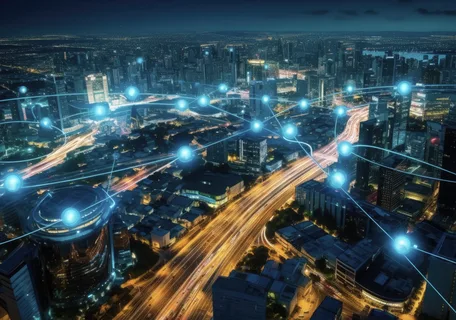
One of the easiest ways to understand an Acceleration City is to follow an ordinary person’s day.
The day may begin with a phone alarm rather than a traditional clock. Before leaving home, the person checks messages, weather conditions, traffic, or public transportation information.
Breakfast might be prepared quickly or ordered online.
The journey to work can involve a mixture of walking, buses, trains, cars, bicycles, or ride-sharing services.
Once at work, communication happens through email, messaging platforms, video meetings, and cloud-based tools.
During lunch, the person may order food digitally.
After work, they might collect a package, attend a class, meet friends, exercise, or shop for groceries.
Many of these activities can be arranged through a smartphone.
The city has effectively become an extension of the digital environment.
People are not simply moving through streets anymore. They are moving through connected systems.
Why Convenience Has Become So Important
Modern urban residents often value convenience because time has become one of the most important resources in daily life.
People have jobs, families, education, social responsibilities, and personal goals.
If technology can reduce the time required for a simple task, people are often willing to use it.
Online payments are a good example.
Instead of traveling to a bank or waiting in a line, a person can complete a transaction within minutes.
Online shopping works in a similar way.
Instead of visiting several stores, a customer can compare products from home and place an order.
These services are convenient because they remove physical barriers.
However, convenience also changes expectations.
Once people become accustomed to fast service, slower systems can feel frustrating.
A process that previously seemed normal may suddenly appear inefficient simply because people have experienced a faster alternative.
Acceleration and the Changing Meaning of Time
In an accelerated city, people often organize their lives around schedules.
A few minutes can matter during a commute. A delayed train can affect a meeting. A late delivery can change a business schedule. A slow website can cause a customer to leave.
Time becomes closely connected to efficiency.
This does not mean people value time more than they did in previous generations. Rather, modern systems make time easier to measure.
Digital calendars, navigation applications, delivery tracking, appointment systems, and online booking platforms all make schedules more visible.
People can see when a driver is arriving or when a package is expected.
The city becomes more predictable in some ways.
But this constant visibility can also make people less patient with uncertainty.
Transportation Is More Than Getting From A to B
Transportation is one of the most important parts of city life, but its role goes beyond simply moving people.
Transportation determines access.
A person who can easily reach a job has more employment opportunities. A student with reliable public transportation can reach educational institutions more easily. A business with good road access can receive supplies more efficiently.
This means transportation influences economic and social life.
An Acceleration City therefore needs transportation systems that connect people with opportunities.
The fastest possible vehicle is not always the answer.
A reliable train that avoids traffic may be more useful than a faster car stuck on a congested road.
A safe walking route may be more valuable for a short trip than driving.
Good transportation planning is about the entire journey.
The Last-Mile Problem
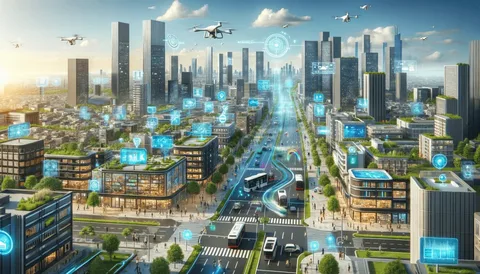
One of the most interesting challenges in urban transportation is the final part of a journey.
A train may take someone close to their destination, but they still need to travel the last few streets.
A bus may stop nearby, but the person may need a safe walking route.
A delivery vehicle may reach a neighborhood but still need to find the correct building.
This is known as the last-mile challenge.
Solving these small gaps can have a large impact on urban efficiency.
Walking infrastructure, bicycles, local buses, shared mobility, and well-designed pedestrian areas can all help.
Sometimes improving the last few minutes of a journey makes the entire transportation system feel significantly better.
The Rise of Flexible Work
Work is one of the areas most affected by urban acceleration.
Traditional office life required many employees to travel to the same location at similar times.
Digital communication has changed this pattern.
Some workers now operate from home. Others divide their time between home and office. Freelancers may work from cafés or coworking spaces. Small businesses can hire people who live in different cities.
This has changed the relationship between people and urban space.
A neighborhood café can become an informal workplace.
A spare room can become a home office.
A coworking building can bring together professionals from different industries.
The city becomes more flexible.
How Remote Work Changes Neighborhoods
Remote work can also change where people spend money.
If someone works from home, they may visit local cafés, restaurants, grocery stores, gyms, and parks more frequently during weekdays.
In traditional office-centered cities, commercial activity may have been concentrated around business districts.
With flexible work, economic activity can spread across residential neighborhoods.
This can create new opportunities for local businesses.
A small coffee shop that once depended mainly on weekend customers may now attract remote workers throughout the week.
Small Businesses in an Accelerated City
Large companies often receive attention when discussing urban development, but small businesses are equally important.
Local restaurants, repair shops, clothing stores, salons, cafés, independent professionals, and family-owned businesses give neighborhoods their character.
Digital technology allows these businesses to compete in new ways.
A small restaurant can create an online ordering system. A local designer can sell products internationally. A neighborhood service provider can attract customers through search engines and social media.
The physical location still matters, but the business now has a digital location as well.
For many small companies, visibility online can be almost as important as visibility on the street.
Local Businesses and Global Customers
An interesting feature of modern cities is that a business does not necessarily need to be located in a major commercial district to reach a large audience.
A small company can operate from an ordinary neighborhood and serve customers in different countries.
Digital marketing, online payment systems, shipping networks, and social media make this possible.
This creates opportunities for entrepreneurs who may not have access to expensive commercial property.
A business can start small and grow gradually.
The city provides the physical environment, while the internet provides access to a much larger market.
The Changing Face of Shopping
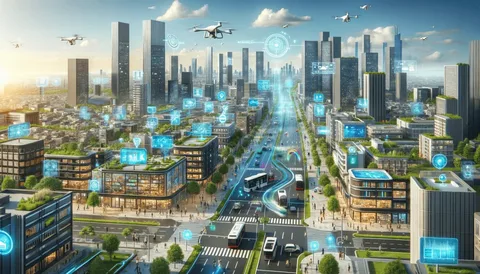
Shopping has also become part of urban acceleration.
Traditional shopping requires a customer to travel to a store, find a product, compare prices, and complete a purchase.
Online shopping removes many of these steps.
Customers can search, compare, order, and pay from almost anywhere.
This does not mean physical stores are disappearing.
Instead, their purpose is changing.
Many customers still want to see products in person, speak with staff, try clothing, taste food, or enjoy the social experience of shopping.
The future of urban retail may therefore involve a combination of physical and digital experiences.
Delivery Culture
Fast delivery has become an important part of city life.
Food, groceries, clothing, electronics, documents, and other products can often reach customers much faster than in the past.
This creates a network of drivers, riders, warehouses, stores, restaurants, and technology platforms.
Behind a simple delivery notification is a complex urban system.
The customer sees the final result.
The city handles everything in between.
As delivery demand grows, urban planners may need to consider loading areas, traffic patterns, parking rules, and pedestrian safety.
Acceleration creates new infrastructure needs.
The Importance of Public Spaces
Even in highly connected cities, people still need physical places to gather.
Public parks, plazas, libraries, sports facilities, cultural centers, and community spaces provide opportunities for interaction.
These places are important because digital communication cannot replace every form of human connection.
A message can keep friends in contact, but sitting together in a park creates a different experience.
A video call can connect colleagues, but working together in the same room can create different forms of collaboration.
An Acceleration City therefore needs spaces where people can slow down.
Why Slowing Down Matters
This may sound contradictory.
If a city is built around acceleration, why should it create opportunities to slow down?
Because human beings cannot operate at maximum speed all the time.
People need rest.
They need quiet environments.
They need time to think, talk, walk, exercise, and enjoy their surroundings.
A city that offers only movement can become exhausting.
This is why successful urban planning should include both fast connections and calm spaces.
The two are not opposites.
They support each other.
The Role of Parks and Green Areas
Green spaces can provide an important break from urban activity.
A park can offer shade, open space, walking paths, sports facilities, and areas for social interaction.
For people living in dense neighborhoods, access to green areas can make a significant difference in their everyday experience.
Trees and vegetation can also contribute to the physical character of streets and neighborhoods.
An accelerated city does not have to look entirely mechanical.
Modern infrastructure can exist alongside nature.
Architecture in a Changing City
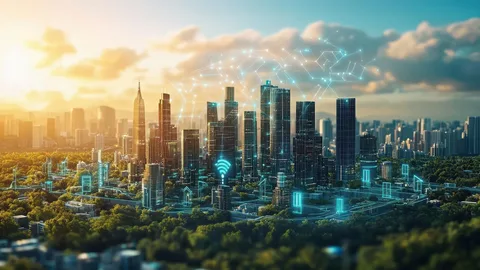
Buildings tell stories about the development of a city.
Historic structures reflect earlier periods. Modern towers represent newer economic activity. Residential developments show population growth.
Architecture therefore becomes a visible record of acceleration.
Older neighborhoods may suddenly contain modern apartments or commercial spaces.
Factories may become creative districts.
Railway areas may become mixed-use developments.
These changes can create attractive new spaces, but they can also raise questions about identity and preservation.
Cities need to decide which elements of their past should remain visible.
Keeping Local Identity Alive
Rapid development can make different cities look similar.
Shopping centers, office towers, global brands, chain restaurants, and modern apartment buildings can be found in many parts of the world.
Yet local identity remains valuable.
Traditional food, local markets, architecture, music, festivals, art, and neighborhood customs make cities unique.
A modern city does not need to erase its past to become successful.
In fact, preserving local identity can make a city more attractive to both residents and visitors.
Acceleration and Culture
Culture changes as cities change.
New communities bring different languages, foods, music, clothing styles, businesses, and traditions.
International communication makes cultural exchange easier.
People can discover ideas from other parts of the world without traveling there.
This can create diverse and creative urban environments.
At the same time, cultural change requires respect.
A city grows stronger when different communities can participate in public life while maintaining their own traditions.
Education in an Accelerated Environment
Students today have access to more information than previous generations.
A smartphone can provide access to online courses, digital libraries, educational videos, research materials, and international communities.
This can make learning more flexible.
But information is not the same as education.
Students still need guidance, critical thinking, teachers, discussion, and practical experience.
An accelerated information environment makes these skills even more important because people are constantly exposed to large amounts of content.
Knowing how to evaluate information is becoming a fundamental urban skill.
Healthcare and Faster Access
Healthcare is another area where acceleration can make a practical difference.
Digital appointment systems can make scheduling easier. Online communication can help patients interact with healthcare providers. Electronic records can help organize information.
Technology can also support remote consultations in situations where physical visits are difficult.
However, healthcare cannot become entirely digital.
Many medical situations require physical examination, professional judgment, equipment, or emergency treatment.
Technology should improve access without replacing essential human care.
The Challenge of Information Overload
An accelerated city produces an enormous amount of information.
News alerts, emails, social media posts, advertisements, messages, traffic updates, shopping notifications, and workplace communications can all arrive within minutes.
The challenge is no longer simply finding information.
It is deciding what deserves attention.
This is one reason modern urban life can feel mentally crowded even when a person is physically sitting at home.
People need the ability to disconnect from unnecessary information.
Digital convenience should not mean permanent digital pressure.
The Need for Digital Balance
A healthy relationship with technology involves knowing when to use it and when to put it aside.
Navigation applications are useful during travel.
Online banking is useful when managing finances.
Messaging platforms are useful for communication.
But not every moment needs a screen.
People still benefit from face-to-face conversations, outdoor activities, hobbies, exercise, reading, and quiet time.
The future of urban life should therefore focus not only on smarter technology but also on healthier technology habits.
Acceleration and Environmental Responsibility
Cities consume large amounts of energy and resources.
Transportation, buildings, industry, waste systems, and construction all contribute to environmental pressure.
Acceleration can increase consumption if growth is unmanaged.
But technology can also improve efficiency.
Energy-efficient buildings can reduce waste. Public transportation can move large numbers of people. Better logistics can reduce unnecessary journeys. Digital systems can improve resource management.
The important question is how acceleration is directed.
Speed without planning can create problems.
Efficient growth with long-term thinking can create opportunities.
Building for the Future Instead of the Present
One challenge for city planners is that infrastructure often lasts for decades.
A road built today may still be used many years from now.
A railway line can shape development for generations.
A building may remain long after the technology inside it becomes outdated.
This means cities must think beyond immediate needs.
Planners need to consider population growth, climate conditions, transportation trends, technology, housing, employment, and community needs.
Good urban planning is therefore partly an exercise in preparing for uncertainty.
What Residents Expect From Modern Cities
Expectations are changing.
People increasingly want reliable internet, efficient transportation, convenient public services, accessible healthcare, safe streets, good schools, green areas, and opportunities for work.
They also expect businesses to respond quickly.
These expectations create pressure on city governments and private organizations.
At the same time, residents themselves influence development through the choices they make.
When people use public transportation, support local businesses, choose walking for short trips, participate in community activities, or adopt digital services, they help shape the direction of urban life.
The Human Element Cannot Be Replaced
It is easy to imagine a future city filled with automated systems.
Vehicles may become more connected.
Buildings may become more intelligent.
Services may become increasingly digital.
Artificial intelligence may assist with many decisions.
Yet cities will still belong to people.
Human relationships, creativity, culture, compassion, and community cannot be reduced to technology.
A city works because people cooperate.
Technology can make that cooperation easier, but it cannot replace the human reasons behind it.
A City Is a Living Network
Perhaps the best way to understand Acceleration City is to imagine the city as a living network.
A change in one area can influence another.
Better transportation can affect housing.
New businesses can affect employment.
Employment can affect population movement.
Population growth can affect infrastructure.
Infrastructure can affect property development.
Technology can affect all of these areas.
Nothing exists completely separately.
This is why urban development requires coordination.
The Future May Be More Flexible Than Faster
The word acceleration can make people think only about speed.
But flexibility may be just as important.
Future cities may need to adapt quickly to changing conditions.
Buildings may serve multiple purposes.
Transportation systems may respond to demand.
Workplaces may support different schedules.
Public services may become more personalized.
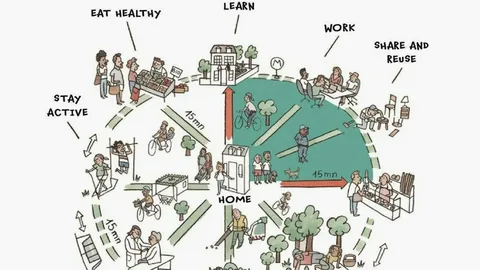
Neighborhoods may combine housing, work, shopping, education, and recreation.
The city of the future may not simply move faster.
It may become better at adapting.
What People Can Learn From the Acceleration City Concept
The idea of Acceleration City provides a useful way to think about everyday changes that are sometimes easy to ignore.
A faster delivery service is not just a business improvement.
It changes traffic patterns, employment, shopping behavior, and customer expectations.
Remote work is not simply a workplace trend.
It changes commuting, office demand, neighborhood activity, and housing decisions.
Digital government is not simply a technology upgrade.
It changes how residents interact with public institutions.
Every innovation creates a chain of effects.
Understanding these connections helps people see cities as complex systems rather than collections of isolated projects.
Finding the Right Pace
Not everything should be accelerated.
Some processes need careful consideration.
Building infrastructure requires planning.
Changing neighborhoods affects real communities.
Introducing new technologies requires testing and responsible management.
Protecting historic areas requires patience.
Developing public policy requires consultation.
In these situations, moving quickly may not always produce the best outcome.
A mature city knows when to move quickly and when to slow down.
That balance may ultimately be more valuable than speed itself.
The Next Generation of Urban Life
Young people growing up today may experience cities very differently from previous generations.
They may use transportation systems that are more connected, work in jobs that did not previously exist, communicate internationally every day, and manage many aspects of life through digital platforms.
For them, the boundary between physical and digital life may feel almost invisible.
A street, a smartphone, a workplace, a payment system, and an online community can all become parts of the same experience.
This is the deeper meaning of urban acceleration.
The city is no longer only the place where people live.
It is an interconnected environment that supports how they work, learn, travel, communicate, shop, relax, and build relationships.
Conclusion
Acceleration City is a useful way to describe the changing rhythm of modern urban life. It represents more than fast vehicles or advanced technology. It describes a broader environment where transportation, communication, business, culture, public services, and personal routines are constantly evolving.
Modern cities are becoming more connected. People can communicate instantly, access services remotely, work across borders, order products from home, and move through cities using increasingly diverse transportation options.
But the future of cities should not be judged by speed alone.
A city can be technologically advanced and still feel difficult to live in. It can grow economically while becoming unaffordable. It can offer digital convenience while creating information overload. It can build impressive infrastructure while forgetting the importance of parks, culture, community, and human connection.
The real opportunity is to create cities that are both efficient and livable.
Acceleration should help people rather than overwhelm them.
It should reduce unnecessary waiting, improve access to opportunities, support businesses, connect communities, and make everyday tasks easier.
At the same time, residents need places to slow down, connect with others, enjoy nature, protect local culture, and simply live without constantly feeling rushed.
That balance will become increasingly important as cities continue to evolve.
The future Acceleration City may not be the city where everything happens fastest. It may be the city that knows what should move faster, what should remain stable, and when people simply need space to breathe.
That is what makes the concept interesting. Urban acceleration is ultimately not just about technology or infrastructure. It is about people, their changing expectations, and the environments they create together.
As cities continue to grow and adapt, the most successful urban communities will likely be those that combine innovation with human needs. They will use technology without losing their identity, improve efficiency without sacrificing comfort, and embrace change without forgetting the value of community.
In the end, a city is successful not because it moves quickly, but because it helps its people move forward.





Leave a Reply