
The wilderness has a way of changing your priorities. A peaceful walk through a forest can suddenly become a difficult situation when a trail disappears, the weather changes, an injury occurs, or you realize that you are no longer sure where you are. Knowing how to survive in the wild means being prepared for those moments without depending entirely on modern conveniences.
Wilderness survival is not about performing impressive tricks. It is about making practical choices when normal resources are limited. A person with a basic understanding of the environment, a calm mind, and a few useful tools may be in a much better position than someone carrying expensive equipment without knowing how to use it.
Whether you are planning a camping trip, a long hike, a backpacking adventure, or simply want to become more confident outdoors, understanding the fundamentals can help you handle unexpected situations.
Understand the Place Before You Enter It
Good survival preparation begins before you reach the wilderness.
Every outdoor environment has its own challenges. A forest may provide shade and natural materials but can make navigation difficult. A desert can offer excellent visibility while creating serious problems with heat and water. Mountain areas may have sudden temperature changes, steep terrain, snow, and limited communication.
Before leaving, research the area carefully. Find out about expected weather, available trails, water sources, wildlife, terrain, local restrictions, and emergency services.
A printed map can be useful even if you plan to use a navigation app. Downloading maps for offline use is also sensible because mobile coverage cannot be guaranteed in remote areas.
Tell someone outside your group where you are going and when you expect to return. This information can become extremely important if you fail to come home as planned.
Your Mind Can Be Your Most Important Tool
Fear is a normal reaction when something goes wrong outdoors. The problem begins when fear controls your decisions.
If you suddenly realize that you are lost, your first instinct may be to walk quickly in search of the trail. Instead, stop.
Take a moment to breathe and examine your surroundings. Think about where you were last certain of your location. Look at your map if you have one. Check your supplies and consider the weather.
A calm person can make a plan. A panicked person often creates additional problems.
Do not feel embarrassed about stopping. In wilderness survival, knowing when not to move can be just as important as knowing where to go.
Think About Shelter Early
People often associate survival with finding food, but shelter can become much more urgent when weather conditions are harsh.
Rain, wind, snow, extreme heat, and cold can affect your body surprisingly quickly.
If you are forced to stay outdoors overnight, look for a location that offers natural protection. A suitable site should be away from areas that could flood and should not be directly beneath unstable trees or rocks.
In cold conditions, creating insulation beneath your body can be extremely helpful. Sleeping directly on cold ground allows heat to escape from your body.
In hot weather, shade becomes much more valuable. A shaded resting area can reduce direct sun exposure and help you conserve water.
The best shelter is not necessarily the most complicated one. It is the one that protects you from the most important environmental threats.
Water Should Become a Major Priority
When you are thinking about how to survive in the wild, water deserves serious attention.
If you have enough water with you, manage it carefully. If you need to find more, natural water may be available in streams, springs, lakes, or other sources depending on the environment.
However, finding water and finding safe drinking water are two different things.
Natural water can contain microorganisms and contaminants that are invisible. Even a clear mountain stream can be unsafe to drink without treatment.
A portable water filter designed for outdoor use can be extremely useful. Purification tablets or another suitable treatment method may provide additional options. Boiling is another established way of reducing many biological hazards.
Never rely solely on the appearance of water.
Learn to Collect Rainwater
Rain can be valuable during an emergency.
If you have a clean bottle, container, tarp, or similar material, you may be able to collect rainfall. The exact method will depend on what equipment you have available.
Collecting rainwater can reduce the need to search for a distant source, especially if you are already in a safe location.
Still, think about cleanliness. Water collected from a dirty surface may not be suitable for drinking without treatment.
The principle is simple: collect when you can, treat before drinking whenever necessary, and avoid wasting what you have.
Stay Dry When the Temperature Drops
Cold weather survival is largely about preventing heat loss.
Wet clothing combined with wind can make cold conditions much more dangerous. If rain begins, use waterproof clothing or other available protection.
Try to keep your sleeping area dry and insulated.
Do not assume that physical activity will always keep you safe from cold. Once you stop moving, the body can lose heat quickly, especially when clothing is wet.
If you notice intense shivering, confusion, unusual weakness, poor coordination, or drowsiness in yourself or another person, treat the situation seriously and seek emergency assistance.
Stay Cool in Hot Conditions
Heat creates a completely different survival challenge.
When temperatures are high, unnecessary movement can increase fluid loss. If possible, rest during the hottest part of the day and travel during cooler periods.
Find shade and protect your skin from direct sunlight. Wear suitable clothing and drink water regularly.
Severe heat-related illness can affect a person’s thinking and behavior. Confusion or loss of consciousness is an emergency and requires immediate medical attention.
The environment should influence your decisions. The same activity that is reasonable on a cool morning may be dangerous under intense afternoon heat.
Fire Is Useful, But It Is Not Always Necessary
Fire has traditionally been an important survival resource. It can provide warmth, light, and a way to prepare food.
But modern wilderness survival should also include fire awareness.
Many areas have restrictions on open flames, particularly during dry seasons. A poorly controlled fire can spread quickly.
If fires are permitted, use an appropriate location and keep the fire small and controlled. Extinguish it completely before leaving.
For planned trips, carrying a reliable lighter or waterproof fire starter is usually more practical than depending on primitive methods.
A fire should solve a problem, not create another one.
Use Your Clothing as Part of Your Survival System
The clothes you wear can be as important as the equipment inside your backpack.
Choose clothing according to the environment. Layers allow you to add or remove insulation as conditions change.
Avoid cotton as the only layer in situations where you may become wet and cold. Outdoor clothing designed to manage moisture and temperature can be more suitable for demanding conditions.
Carry an extra layer when practical, particularly if the trip involves changing weather.
A lightweight emergency blanket can also provide useful protection from heat loss and takes up little space.
Navigation Is More Than Following a Trail
Trails can disappear. Signs can become damaged. Fog can reduce visibility. A familiar landscape can look completely different at night.
This is why navigation skills matter.
Learn the basics of map reading and compass use before entering remote areas. Pay attention to landmarks rather than focusing only on the ground immediately in front of you.
Notice the shape of hills, direction of streams, distinctive trees or rocks, and major changes in terrain.
If you are using GPS, periodically compare your digital position with your physical surroundings. This gives you a better understanding of where you are rather than turning navigation into a blind dependence on a screen.
What to Do When You Realize You Are Lost
The moment you become uncertain about your location, avoid rushing.
Think back to the last place where you knew exactly where you were. Check your map and surroundings.
If you have a safe location and no immediate danger, staying in one area may be preferable to wandering.
There are exceptions. If you are in a dangerous location, such as an area threatened by flooding, falling rocks, wildfire, or another immediate hazard, moving to safety becomes the priority.
Otherwise, conserve your energy and make yourself easier to locate.
Make Yourself Visible to Rescuers
If someone knows you are missing, your job is to help rescuers find you.
Stay in an area where you can safely be seen or heard when possible. Use a whistle, flashlight, bright clothing, or other signaling equipment.
Three repeated signals are commonly recognized as a distress signal, but your exact approach should depend on the situation and the resources available.
If you have a phone or emergency communication device, share your location and essential information.
Do not waste battery power on unnecessary activity. Your device may become your most important communication tool later.
Food Is Important, But Do Not Obsess Over It
Food can become a concern during a prolonged emergency, but it usually does not deserve the same immediate attention as water, shelter, and protection from dangerous weather.
If you have food with you, ration it sensibly while maintaining enough energy to stay warm and make safe decisions.
Do not automatically start eating wild plants because you are hungry.
Many poisonous plants resemble edible species, and identifying them incorrectly can create a medical emergency.
The same warning applies to mushrooms and berries. Unless you have reliable knowledge of local species, avoid experimenting.
Carry Emergency Food
For planned wilderness activities, choose food that is lightweight, durable, and high in energy.
Nuts, dried foods, energy bars, and other compact options can be convenient, although your choices should match your dietary needs and the length of the trip.
Keep some emergency food separate from your regular meals if possible. This gives you a reserve if the trip takes longer than expected.
A small emergency supply may make a significant difference when an ordinary day trip becomes an overnight stay.
Take Injuries Seriously
A minor injury can become much more serious when you are far from medical care.
A first-aid kit should be part of your outdoor equipment, but knowledge matters just as much as supplies.
Learn basic first aid before your trip. Understand how to deal with common problems such as cuts, blisters, sprains, burns, and dehydration.
If an injury prevents safe walking, do not force the person to continue simply because the destination is still several miles away.
Use communication equipment if available and seek professional assistance when needed.
Blisters Can End a Trip
Foot problems may not sound dramatic, but they can become a major issue during long hikes.
Wear properly fitting footwear and break in new boots before taking them into remote terrain.
At the first sign of a hot spot or developing blister, address it rather than continuing until the skin becomes badly damaged.
Dry socks and basic foot care can also make long-distance walking much more comfortable.
Good survival planning includes preventing small problems from becoming large ones.
Learn About Local Wildlife
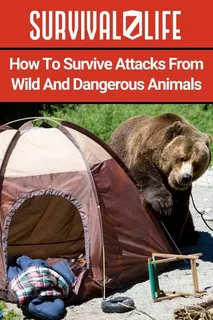
Every region has different animals, and the correct response to an encounter depends on the species.
Before traveling, learn which animals are common in the area and how to behave around them.
Do not feed wildlife. Keep food and waste managed properly. Avoid approaching animals for photographs.
If you encounter a wild animal, give it space and avoid cornering it.
The goal is not to dominate or confront wildlife. It is to avoid unnecessary interaction.
Keep Your Campsite Clean
Food smells can attract animals and insects.
Keep food stored appropriately and clean up after eating. Never leave food scraps scattered around your sleeping area.
Pack out rubbish according to local rules.
A clean campsite is not only better for the environment; it can also reduce unwanted encounters.
Do Not Follow Animal Tracks Without a Plan
Seeing animal tracks may make you think that the animal traveled toward water or civilization.
That assumption can be wrong.
Animals move for many different reasons, and following their tracks can take you into difficult terrain.
Use animal signs as information about the environment rather than treating them as a guaranteed navigation system.
Avoid Unnecessary Risk
Survival situations often develop from ordinary decisions.
Climbing a steep rock to get a better view, crossing a fast stream because it looks shallow, or walking across unstable ground may seem manageable in the moment.
Ask yourself whether the risk is necessary.
If the answer is no, choose another option.
The wilderness rewards patience more than bravery.
Keep Track of Time and Daylight
Daylight is a valuable resource.
If you are traveling through difficult terrain, monitor how much daylight remains. Do not wait until darkness arrives before deciding where you will spend the night.
A planned overnight stop is safer than becoming exhausted while searching for a campsite after sunset.
If you become lost late in the day, staying in a secure location may be preferable to attempting unfamiliar navigation in darkness.
Understand the Importance of a Whistle
A whistle is one of the simplest pieces of emergency equipment.
Your voice becomes tired quickly, but a whistle can produce a strong signal repeatedly.
Carry it somewhere accessible rather than buried at the bottom of your backpack.
In an emergency, sound can help rescuers locate you when vegetation or terrain prevents them from seeing you.
Use Technology Without Depending on It
Technology can make outdoor travel much safer.
GPS devices, offline maps, weather apps, emergency communication devices, and digital compasses can all be useful.
But technology should support your skills rather than replace them.
Batteries can fail. Devices can break. Signals can disappear.
Before going into remote terrain, make sure you understand basic navigation without electronics.
Leave Information Behind
One of the simplest safety habits is telling someone your plan.
Give a trusted person details such as:
- Where you are going
- Which route you expect to take
- Who is traveling with you
- When you expect to return
- What vehicle you are using, if applicable
- When they should become concerned if you do not check in
For longer trips, provide as much useful information as practical.
This creates a starting point for a search if something goes wrong.
Practice Survival Skills at Home
You should not wait for an emergency to discover that you do not know how your equipment works.
Practice using your compass. Learn how your water filter operates. Test your emergency shelter. Learn basic first aid. Practice packing your backpack.
If you plan to spend time in a particular environment, learn the hazards specific to that region.
Practical experience builds confidence without requiring a real emergency.
The Most Valuable Survival Skill Is Good Judgment
There is no single trick that guarantees survival in every wilderness situation.
Conditions vary too much.
Instead, focus on judgment.
Recognize when weather is becoming dangerous. Understand when you are becoming exhausted. Know when an injury requires help. Notice when you are losing your sense of direction.
The earlier you identify a problem, the more options you usually have.
Waiting until a situation becomes critical can remove many of those options.
A Practical Wilderness Checklist
Before heading into the wild, take a few minutes to review your preparation.
Do you have enough water?
Do you have a way to treat additional water?
Do you know the weather forecast?
Do you have appropriate clothing?
Do you have navigation equipment?
Is your phone charged?
Do you have emergency communication options?
Do you have basic first-aid supplies?
Do you have enough food?
Does someone know your itinerary?
Do you know the major hazards of the area?
If you can answer these questions confidently, you have already reduced many common outdoor risks.
Final Thoughts
Learning how to survive in the wild is not about becoming fearless or trying to prove that you can live without modern equipment. It is about understanding nature and respecting its limits.
Good preparation gives you more choices when something goes wrong. A map can prevent you from getting lost. A water filter can provide safer drinking water. Proper clothing can protect you from changing weather. A first-aid kit can help manage injuries. A whistle or communication device can help rescuers locate you.
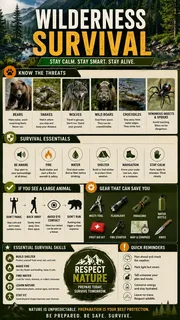
Most importantly, stay calm when circumstances change. Stop, assess the situation, protect yourself from immediate dangers, conserve your resources, and make decisions based on the environment around you.
The wilderness is unpredictable, but preparation does not have to be. The more you understand your surroundings and practice essential outdoor skills before an emergency occurs, the better prepared you will be to handle an unexpected situation safely.











Leave a Reply