

Hormones are chemical messengers that help the body coordinate essential functions, from sleep and energy use to digestion and blood sugar regulation. Understanding how these signals work can make everyday health information easier to follow and help people recognise why balanced body systems matter. Although blood sugar is often discussed in relation to diabetes, it is also a normal part of how the body supplies energy to its cells.
One important hormone is insulin, which helps move glucose from the bloodstream into cells. Other hormones work alongside insulin to keep blood glucose within a healthy range. Learning about these processes can help people understand common medical terms and ask more informed questions during healthcare appointments. It is also useful to remember that individual health needs vary, so personal concerns should be discussed with a qualified healthcare professional.
1. What Are Hormones?
Hormones are substances produced by glands and other tissues that carry messages throughout the body. They travel through the bloodstream or act on nearby cells, influencing processes such as growth, metabolism, mood, reproduction, and appetite.
Different hormones have different responsibilities. Thyroid hormones help regulate how the body uses energy, cortisol helps coordinate the stress response, and insulin plays a central role in blood glucose regulation.
Hormone levels naturally change throughout the day and in response to activities such as eating, sleeping, and exercising. These changes are part of normal body function. When a hormone is not produced in the right amount or the body responds differently to its signals, health concerns can sometimes develop.
2. Understanding Blood Sugar
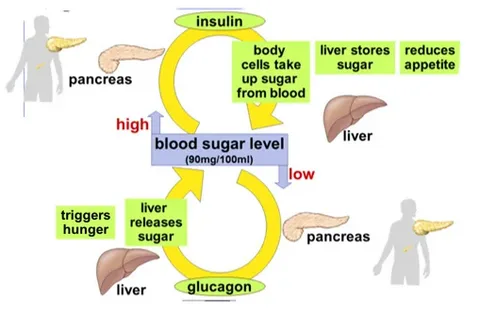
Blood sugar, also called blood glucose, refers to the amount of glucose circulating in the bloodstream. Glucose is an important source of energy, and the body obtains it from carbohydrates in foods such as fruit, grains, vegetables, and dairy products.
After a meal, carbohydrates are digested and glucose enters the bloodstream. Blood glucose levels rise, prompting the body to respond through several hormonal processes. Between meals and overnight, the body also has mechanisms that help maintain an adequate supply of energy.
Blood glucose naturally fluctuates throughout the day. These changes are expected, and a single reading does not always explain a person’s overall health. Healthcare professionals interpret measurements alongside symptoms, medical history, and other relevant information.
3. The Role of Insulin
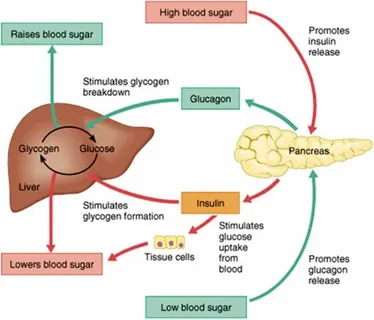
Insulin is produced by beta cells in the pancreas. Its main role is to help regulate blood glucose by allowing cells to take up glucose and by influencing how the body stores and produces energy.
After eating, insulin levels generally increase as blood glucose rises. This helps glucose move into cells that need it and supports the storage of energy for later use. Between meals, insulin levels usually decrease as the body adjusts to changing energy needs.
When the body does not produce enough insulin or cannot use it effectively, blood glucose may remain higher than expected. These problems are associated with diabetes, although the underlying causes differ between types of the condition.
4. Other Hormones That Influence Blood Glucose
Insulin is important, but it is not the only hormone involved in regulating glucose. Glucagon, also produced by the pancreas, helps raise blood glucose when it becomes low by signalling the liver to release stored glucose.
Other hormones, including cortisol and adrenaline, can also affect blood glucose, particularly during stress or illness. This helps explain why glucose readings may change even when eating habits remain similar.
Another hormone-related system involves glucagon-like peptide-1, often shortened to GLP-1. If you have wondered what is glp-1, it is a hormone released mainly by the intestine after eating. It helps regulate blood glucose by supporting glucose-dependent insulin release, reducing glucagon secretion in appropriate circumstances, and influencing appetite-related signals.
5. How GLP-1 Supports Blood Sugar Regulation
GLP-1 is part of a group of hormones known as incretins. These hormones help the body respond to food intake by coordinating signals involved in glucose regulation.
GLP-1 can encourage the pancreas to release insulin when blood glucose is elevated. It can also reduce glucagon secretion when appropriate. In addition, it may slow stomach emptying and influence feelings of fullness.
Scientists have studied these effects to develop medicines that act on GLP-1 receptors. Certain prescription medicines are used to treat type 2 diabetes, and some have approved uses for chronic weight management in eligible patients. These medicines differ in their approved uses and safety information.
They are not suitable for everyone and should only be considered with guidance from a qualified healthcare professional. A natural hormone and a prescription medicine that acts on its receptor are related, but they are not exactly the same thing.
6. What Can Affect Blood Sugar Levels?
Blood glucose is influenced by several factors, and daily readings may vary. Meals are one influence, but sleep, physical activity, stress, illness, and certain medications can also affect glucose regulation.
For example, the body may release stress hormones during illness, which can influence blood glucose. Some medicines can also change glucose levels, so patients should discuss concerns with their healthcare provider rather than making medication changes independently.
Factors worth understanding include:
- Meal timing and the types of foods eaten.
- Physical activity and changes in daily routines.
- Sleep quality and stress levels.
- Illness and other health conditions.
- Medicines that may affect glucose regulation.
These influences do not affect everyone in the same way. Anyone who has concerns about unusual readings or symptoms should seek appropriate medical advice.
7. Recognising When Medical Advice May Help
Some people need blood glucose testing because of symptoms, risk factors, an existing condition, or routine healthcare recommendations. Common signs of high blood glucose can include increased thirst, frequent urination, fatigue, and blurred vision, although these symptoms can have other causes.
Low blood glucose may cause shakiness, sweating, dizziness, confusion, or weakness, particularly in people using certain diabetes medicines. Severe confusion, seizures, or loss of consciousness require emergency medical assistance.
Testing methods and recommended targets depend on a person’s circumstances. A healthcare professional can explain which tests are appropriate and how to interpret the results. It is best not to diagnose a hormone or blood sugar problem based on online information alone.
8. Everyday Habits That Support General Health
Healthy daily routines can support the body’s normal functions. Eating a variety of nutritious foods, staying hydrated, getting adequate sleep, and engaging in appropriate physical activity can all contribute to overall well-being.
Regular medical checkups are also useful when recommended, especially for people with diabetes or other conditions affecting blood glucose. A clinician can help tailor advice to individual needs, medications, and health circumstances.
Small, realistic habits are often easier to maintain than dramatic changes. The goal is to support health consistently rather than follow unnecessary restrictions or attempt to manage a medical condition without professional guidance.
9. Connecting Health Education With Everyday Life
Health education helps people better understand their bodies and make informed decisions. Awareness initiatives such as world smile day also provide opportunities to discuss oral health and the role of healthy daily habits in overall well-being. While oral health and blood sugar regulation are different topics, both benefit from reliable information, preventive care, and appropriate professional guidance.
Learning about hormones is not about memorising every scientific term. It is about understanding the basic processes, recognising when questions arise, and knowing where to seek trustworthy answers.
Conclusion
Hormones help regulate blood glucose through coordinated signals that involve insulin, glucagon, and other messengers. Understanding these processes makes health information easier to follow. Balanced daily habits, appropriate testing, and professional guidance can help people address concerns and make informed decisions about their individual health needs.








Leave a Reply