
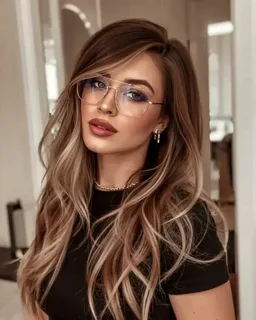
Choosing a new hair shade is about more than following a trend. The right colour should complement your complexion, suit your personal style and work with your everyday routine. For anyone exploring hair colour in Singapore—blonde and pastel hair salon options- there are plenty of possibilities in 2026, from understated brunette tones and sun-kissed highlights to expressive pastel finishes. The best choice also depends on your hair’s current condition, previous colour treatments and how much maintenance you are comfortable with between appointments.
Singapore’s tropical climate adds another consideration. Humidity can make hair appear frizzy or less defined, while frequent washing, sun exposure and heat styling may contribute to colour fading, dryness and unwanted brassiness. Selecting a suitable shade and following a realistic aftercare routine can help your colour look polished for longer. Whether you prefer a subtle refresh or a more noticeable transformation, these ten trending shades offer inspiration for your next salon consultation.
1. Milk Tea Brown: Soft and Naturally Polished
Milk tea brown remains an appealing choice for people who want a lighter brunette without committing to a very blonde finish. Its beige-brown balance creates a soft, understated appearance that works well with layered haircuts, long waves and sleek shoulder-length styles.
The shade can be customised with cooler beige undertones or warmer caramel reflections, depending on your natural colour and complexion. It is particularly useful for anyone seeking a change that feels noticeable but still suitable for professional settings.
Styling and maintenance tips:
- Use a colour-safe shampoo and conditioner to help maintain the shade.
- Apply heat protection before blow-drying or using straighteners.
- Consider subtle face-framing highlights if you want more brightness without colouring every strand.
Milk tea brown may require lightening on darker hair to achieve its softer finish. Your colourist should assess the condition of your hair before recommending a suitable process.
2. Mocha Brown: Rich Depth Without Excessive Contrast
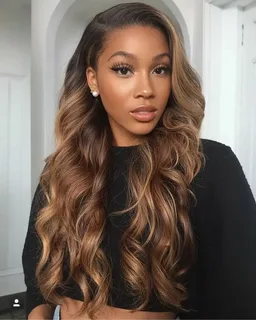
Mocha brown offers a sophisticated alternative to very dark, flat-looking hair. Its balanced brown tones create depth and shine while retaining a natural appearance, making it suitable for people who want a refined update rather than a dramatic transformation.
This shade can be especially practical in Singapore because it does not always require extensive bleaching. The final result depends on your starting colour, the desired level of brightness and whether previous dye has been applied.
To keep mocha brown looking fresh, avoid washing your hair more frequently than necessary and choose products designed for coloured hair. A glossing service may also help refresh shine between major colour appointments.
3. Ash Brown: A Cooler, Contemporary Finish
Ash brown features cool, muted undertones that can soften the warmth found in some brunette shades. It suits people who prefer a modern, understated colour and can be adapted from a deep smoky brown to a lighter, dimensional finish.
However, cool tones may be more difficult to achieve on naturally dark hair because underlying warmth can become visible during lightening. Professional assessment is useful when the goal is an even result without unwanted orange or red tones.
How to maintain ash brown:
- Ask your colourist whether a toner is needed to refine the finish.
- Use purple or blue toning products only when recommended for your specific shade.
- Schedule colour refreshes according to how quickly your hair develops unwanted warmth.
A customised approach is more reliable than choosing a shade from a photograph alone, as lighting and editing can make cool colours look different from their real-life appearance.
4. Caramel Balayage: Dimension That Grows Out Softly
Caramel balayage combines a brunette base with warm, hand-painted ribbons of colour. Because the lighter sections can be placed selectively, the result often has a softer transition than highlights that begin uniformly at the roots.
This technique is a strong option for people who want movement and dimension without frequent root touch-ups. The colour can be concentrated around the mid-lengths and ends, or brought closer to the face for a better effect.
In humid weather, textured waves can help reveal the different tones, while a lightweight smoothing product can reduce the appearance of frizz. Avoid applying heavy oils close to the roots if your hair tends to become flat.
Key tips for caramel balayage:
- Choose personalised placement: Focus lighter sections around the face or mid-lengths to create dimension that complements your haircut.
- Maintain colour vibrancy: Use colour-safe shampoo and conditioner to help preserve the caramel tones.
- Keep the ends nourished: Apply a conditioning hair mask regularly to help manage dryness in lightened sections.
- Control humidity-related frizz: Use a lightweight smoothing product without weighing down the roots.
- Protect your hair during styling: Apply heat protection before blow-drying, curling or straightening.
- Plan occasional salon refreshes: Ask your colourist whether a gloss or toner would help maintain the desired warmth as the colour fades.
Balayage is not entirely maintenance-free. The lighter sections may still need toning, conditioning and occasional trimming to keep the ends looking healthy.
5. Beige Blonde: A Refined Take on Lighter Hair
Beige blonde sits between warm golden blonde and cooler ash blonde, creating a balanced finish that can look elegant without appearing overly yellow or grey. It works well with long layers, soft curls and balayage-inspired colour placement, particularly when the lighter pieces are blended with a slightly deeper root.
Achieving beige blonde on naturally dark hair may involve bleaching, sometimes over more than one session. Rushing the process can compromise the hair’s condition, so the colourist should prioritise an achievable result over copying a reference image exactly.
For a more wearable look, consider a shadow root or a gradual blend from your natural colour into the blonde. This can soften visible regrowth and reduce the need for frequent root appointments.
Aftercare essentials:
- Alternate your regular colour-safe products with a toning product when recommended.
- Use a nourishing mask as part of your weekly routine if your hair feels dry.
- Protect your hair from prolonged sun exposure and use heat protection when styling.
6. Cherry Cola: Deep Red With a Brunette Base
Cherry cola combines rich brown with red, burgundy or cherry-toned reflections. The result can look subtle indoors and more vibrant in sunlight, making it a useful option for anyone who wants to experiment with red without choosing a very bright fashion colour.
This shade can be adapted to different preferences. A deep cola-brown finish gives a restrained effect, while stronger cherry tones create a more noticeable transformation. Your colourist can also adjust the intensity according to your natural hair colour and previous dye history.
Red-based colours can lose their vibrancy with repeated washing. Use lukewarm rather than very hot water, avoid unnecessary shampooing and ask your stylist whether a colour-refreshing gloss would suit your chosen shade. If you swim regularly, take extra care to rinse your hair after swimming and follow your salon’s advice on protecting coloured hair.
7. Honey Blonde: Warmth and Sunlit Dimension
Honey blonde offers golden warmth without necessarily reaching the pale level of platinum blonde. It can brighten the overall appearance of the hair and works particularly well through highlights, balayage or carefully placed face-framing sections.
For people with naturally dark hair, honey blonde may require lightening to create enough contrast. A gradual approach can help maintain the condition of the hair, especially if the ends have already been coloured or chemically treated.
In Singapore’s humidity, a layered cut or loose waves can show off the shade’s different tones. Lightweight leave-in conditioning products may help manage flyaways, but avoid applying too much product if your hair tends to feel heavy or lose volume quickly.
Tips for maintaining honey blonde:
- Use colour-safe shampoo and conditioner to help preserve the shade.
- Apply heat protection before blow-drying or using heated styling tools.
- Use a nourishing hair mask when your mid-lengths and ends feel dry.
- Ask your colourist whether toning is needed to manage unwanted yellow or brassy undertones.
- Protect your hair from prolonged sun exposure to help maintain its appearance.
8. Rose Brown: A Subtle Hint of Pink
Rose brown brings a muted pink or rosy reflection to a brown base. Rather than looking like a full pastel transformation, it offers a softer introduction to fashion-inspired colour. Depending on the formula and starting shade, the pink undertone can be delicate or more noticeable in bright light.
It is a good option for people who want something distinctive while keeping most of their hair within a familiar brunette palette. The colour can be applied throughout the hair or incorporated into selected sections for a more understated result.
Because rosy tones can fade unevenly, discuss the expected fade with your colourist before committing. A personalised formula and suitable colour-care routine can help the shade transition more gracefully as it softens.
9. Smoky Grey: Cool, Modern and Statement-Making
Smoky grey combines grey, silver and muted ash tones to create a cool, contemporary finish. It can be striking as an all-over colour or used in blended highlights for a softer interpretation.
This is one of the more demanding options on the list. Dark hair often needs substantial lightening before a clean grey tone can be achieved, and existing colour may affect the process. A professional assessment is especially important if your hair has previously been bleached, rebonded or coloured several times.
To maintain the finish, your routine may include occasional toning, gentle cleansing and regular conditioning. Grey shades can reveal unwanted yellow or warm undertones as they fade, so ask how often your particular colour is likely to need refreshing.
10. Pastel Lavender: Creative Colour With Personality
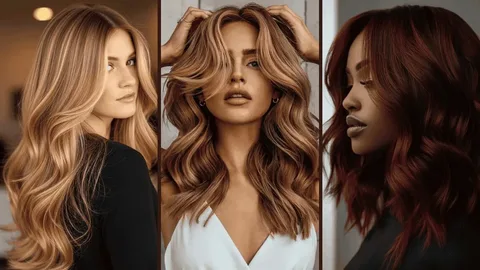
Pastel lavender offers a playful alternative to traditional brunette and blonde shades. It can range from a pale lilac tint to a cooler, silvery violet, depending on the underlying colour and the chosen formula. It is especially effective on lightened hair because pastel pigments generally need a sufficiently pale base to appear clean and delicate.
For darker hair, reaching that base may require bleaching and careful planning. If your hair is not ready for the required lightening, a colourist may suggest a more gradual transformation or a darker violet-inspired alternative.
Pastel shades typically need more upkeep than natural-looking browns. Frequent washing, heat and environmental exposure can affect their appearance, so use colour-safe products and discuss realistic refresh intervals before your appointment.
Tips for maintaining pastel lavender:
- Use colour-safe shampoo and conditioner to help preserve the pastel tone.
- Reduce unnecessary heat styling and apply heat protection before using hot tools.
- Follow your colourist’s advice on toning and colour-refreshing treatments.
- Discuss your hair’s condition and lightening requirements before booking a transformation.
At a salon specialising in blonde and pastel transformations, the consultation should cover the desired shade, the condition of your hair and the steps needed to reach the result. Blonde and Pastel Hair Salon describes a process that includes hair assessment, personalised colour formulation, application, toning and aftercare advice, alongside techniques such as balayage, AirTouch, foilayage and peekaboo colour.
Comparing the 10 Trending Hair Colours
Your ideal shade depends on the effect you want, your current hair colour and the amount of maintenance you can manage. Use this table as a starting point for your salon consultation.
| Hair colour | Overall look | Maintenance to consider |
| Milk tea brown | Soft, beige brunette | Moderate toning if lightened |
| Mocha brown | Rich and polished | Generally straightforward |
| Ash brown | Cool and muted | May need toning |
| Caramel balayage | Warm, dimensional | Occasional gloss or toning |
| Beige blonde | Balanced, light blonde | Regular conditioning and toning |
| Cherry cola | Deep brown-red | Refreshing red tones |
| Honey blonde | Warm and sunlit | Toner and moisture care |
| Rose brown | Brunette with pink tones | Colour refreshes as pink fades |
| Smoky grey | Cool, modern silver-grey | Frequent tonal maintenance may be needed |
| Pastel lavender | Soft, expressive fashion colour | More frequent colour upkeep |
How to Choose a Shade That Works in Singapore
A trending colour is only a good choice if it fits your hair and lifestyle. Before booking, think about how much time you want to spend styling your hair, how often you wash it and whether you are comfortable returning for toning or root maintenance.
Keep these points in mind:
- Start with your hair history. Previous dye, bleach and chemical treatments affect what can be achieved safely.
- Discuss maintenance honestly. A high-contrast blonde or pastel may require more salon visits than a brunette shade or softly blended balayage.
- Consider the local climate. Humidity can make frizz more visible, while frequent washing may shorten the life of some fashion colours.
- Ask about hair protection. Professional treatments, including bond-building options such as K18 or Olaplex where appropriate, may be discussed as part of a colouring plan. They do not eliminate all damage, so the condition of your hair should guide the process.
- Bring realistic reference photos. Images taken in different lighting can show the same shade differently. Ask your colourist what is achievable from your current starting point.
A thoughtful consultation helps you choose a colour that looks attractive on the day of your appointment and remains manageable in the weeks that follow.
Final Thoughts
The most exciting hair colour trends for 2026 offer something for every preference, from the understated richness of mocha brown to the expressive finish of pastel lavender. The key is to choose a shade that complements your features, suits your routine and can be maintained without placing unnecessary stress on your hair. In Singapore, where humidity, frequent washing and sun exposure can affect the look and feel of coloured hair, a considered aftercare plan is just as important as the initial colour application.
Before making a change, discuss your hair history, desired result and maintenance expectations with an experienced colourist. Blonde and Pastel Hair Salon offers personalised consultations and colour services, including balayage, AirTouch, foilayage, highlights and blonde or pastel transformations, with attention to hair condition and aftercare. If you are exploring ideas for your next transformation, visit blondeandpastelhairsalon.sg to learn more about its services and consultation process. A well-planned colour should not only reflect your style but also fit comfortably into your everyday life.
Frequently Asked Questions

1. Which hair colour is most suitable for Singapore’s humid weather?
There is no single shade that works best for everyone, but mocha brown, milk tea brown and softly blended caramel balayage can be practical choices for people who prefer a natural-looking finish. These colours can often be maintained without the frequent tonal adjustments associated with some very light or vivid shades. Your haircut, hair texture and styling routine also influence how manageable your colour feels in humid conditions.
2. Do I need to bleach my hair to achieve these trending shades?
Not always. Shades such as mocha brown and some cherry cola variations may be achievable without extensive lightening, depending on your natural colour and previous treatments. Beige blonde, smoky grey and pastel lavender usually require more significant lightening, particularly on naturally dark hair. A colourist should assess your hair before deciding whether bleaching is appropriate.
3. How can I prevent my hair colour from fading quickly?
Use shampoo and conditioner formulated for coloured hair, wash with lukewarm water and limit unnecessary heat styling. Protect your hair from prolonged sun exposure, and follow your colourist’s advice on toning and conditioning treatments. The ideal routine varies according to the shade, hair condition and frequency of washing.
4. How do I choose between balayage, highlights and a full-head colour?
Balayage creates a softer, hand-painted effect, while traditional highlights use foils to place lighter sections more precisely. Full-head colour changes the overall tone more uniformly, although the result depends on your starting shade and the formula used. Discuss your preferred finish and maintenance expectations with your colourist before selecting a technique.
5. Can I achieve blonde or pastel hair without compromising hair health?
Lightening and colouring can affect hair strength, especially when the hair has already undergone chemical treatments. A professional consultation should assess your hair’s condition and determine whether your desired result is realistic in one appointment or would be better approached gradually. Protective treatments and careful processing may help support hair condition, but they cannot guarantee damage-free bleaching.











Leave a Reply