
Introduction
An oxygen cylinder is an important medical and industrial equipment used to store and supply oxygen when it is needed. It plays a valuable role in hospitals, emergency medical services, healthcare facilities, and certain industrial environments. Oxygen is essential for human life because the body needs it to support normal cellular functions and produce energy.
In healthcare, oxygen cylinders are commonly used for patients who require supplemental oxygen because of breathing difficulties or certain medical conditions. They can also provide an oxygen supply during patient transportation, emergencies, and situations where a fixed oxygen supply is unavailable.
Beyond healthcare, oxygen cylinders have applications in metal cutting, welding, manufacturing, laboratory work, and other industrial activities. However, the oxygen used for medical purposes must meet appropriate medical quality standards and should never be confused with industrial oxygen.
Understanding how an oxygen cylinder works, what types are available, how oxygen is supplied, and what safety precautions are necessary can help people make informed decisions.
This complete guide explains oxygen cylinders in simple language, covering their construction, working principles, medical applications, different sizes, maintenance, safety practices, and frequently asked questions.
What Is an Oxygen Cylinder?
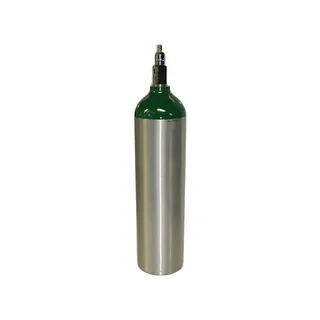
An oxygen cylinder is a specially designed pressure vessel that stores oxygen gas under high pressure. It is manufactured using strong materials to safely contain compressed oxygen and deliver it through an appropriate regulator and outlet system.
Medical oxygen cylinders are used to provide supplemental oxygen to people who need additional oxygen support under medical supervision.
An oxygen cylinder generally consists of several components:
- A strong metal cylinder body
- A cylinder valve
- A pressure regulator
- A pressure gauge
- A flow-control mechanism
- An oxygen outlet
- A compatible delivery device
The cylinder stores oxygen in a compressed form. When the valve is opened and a suitable regulator is connected, oxygen can flow out at a controlled pressure.
The amount of oxygen delivered to a patient depends on the prescribed flow rate and the equipment being used.
An oxygen cylinder is not a replacement for professional medical care. People who need oxygen therapy should receive an appropriate assessment and follow instructions from a qualified healthcare professional.
How Does an Oxygen Cylinder Work?
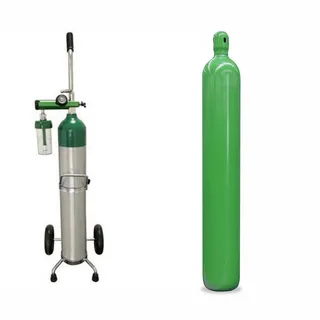
The working principle of an oxygen cylinder is relatively simple. Oxygen is stored inside a strong container under pressure. A regulator controls the pressure as oxygen leaves the cylinder, allowing it to be delivered through a compatible medical device or industrial system.
1. Oxygen Storage
Medical oxygen is filled into a cylinder by an authorized supplier using appropriate filling procedures.
Because oxygen is compressed, a relatively small cylinder can contain a useful quantity of gas.
2. Pressure Regulation
The regulator reduces the high pressure inside the cylinder to a suitable working pressure.
This is important because the pressure inside a fully charged cylinder is much higher than the pressure required by most oxygen delivery devices.
3. Flow Control
A flow-control device regulates how much oxygen leaves the cylinder over a particular period.
In medical settings, oxygen flow is commonly measured in litres per minute (L/min).
The prescribed setting must be followed rather than adjusted randomly.
4. Oxygen Delivery
Oxygen travels through compatible tubing to a suitable delivery device.
Depending on the patient’s condition and the prescribed treatment, this may include a nasal cannula, oxygen mask, or another oxygen delivery system.
The healthcare professional determines the appropriate delivery method and oxygen requirements.
Main Types of Oxygen Cylinders
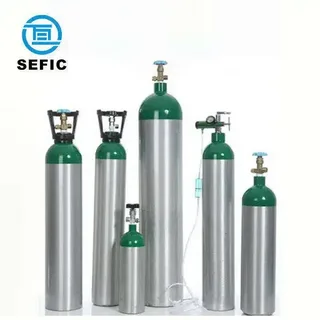
Oxygen cylinders are available in different designs, capacities, and applications. Their construction and specifications depend on the intended use.
1. Medical Oxygen Cylinders
Medical oxygen cylinders are designed to supply oxygen for healthcare purposes.
They are commonly used in:
- Hospitals
- Emergency departments
- Ambulances
- Clinics
- Home healthcare
- Patient transportation
- Medical facilities without central oxygen systems
Medical oxygen must meet applicable purity, quality, and handling requirements.
These cylinders are supplied through authorized medical gas providers.
2. Portable Oxygen Cylinders
Portable oxygen cylinders are smaller and designed to be transported more easily.
They may be used by patients who require prescribed oxygen support while moving between locations or during transportation.
Portable cylinders can be useful when traveling to medical appointments or when a stationary oxygen source is unavailable.
Their actual operating duration depends on cylinder capacity, pressure, prescribed flow, and the delivery equipment.
3. Large Medical Oxygen Cylinders
Large cylinders contain more oxygen than smaller portable models.
They are often used in hospitals, healthcare facilities, and medical environments where a larger reserve supply is required.
Their size and weight make them less convenient for routine personal transportation.
4. Industrial Oxygen Cylinders
Industrial oxygen cylinders are used in manufacturing, metal cutting, welding, and other technical processes.
They are intended for industrial applications and must not be used as a substitute for appropriately supplied medical oxygen.
Medical and industrial oxygen supplies have different intended applications and quality-control requirements.
5. Aluminum Oxygen Cylinders
Some oxygen cylinders are manufactured from aluminum alloys.
Aluminum cylinders can be lighter than comparable steel cylinders, making certain models useful in portable applications.
Their permitted working pressure and service requirements depend on the specific cylinder design and certification.
6. Steel Oxygen Cylinders
Steel cylinders are widely used in medical and industrial environments.
They are manufactured to withstand high internal pressure and are available in different capacities.
Their weight and dimensions vary according to the design and intended application.
Common Sizes of Oxygen Cylinders
Oxygen cylinders come in different sizes to meet the needs of hospitals, clinics, emergency services, and individual patients.
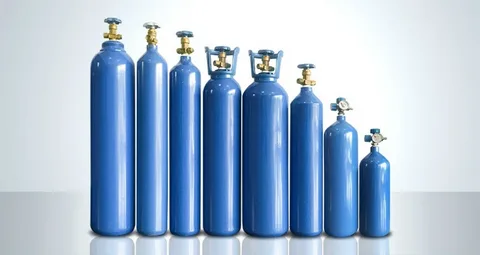
The size of a cylinder determines how much oxygen it can store. However, cylinder capacity should not be confused with the physical dimensions of the container.
Common cylinder categories include:
Small Oxygen Cylinders
Small cylinders are designed for situations where portability is important. They are easier to move than larger models and may be used during patient transfers or transportation.
Their limited capacity means that the available oxygen supply must be monitored carefully.
Medium Oxygen Cylinders
Medium-sized cylinders provide a balance between portability and storage capacity.
They can be useful in healthcare facilities, emergency departments, and certain home-care arrangements.
Large Oxygen Cylinders
Large cylinders are generally used where a higher oxygen reserve is required.
Hospitals and medical institutions may keep multiple large cylinders in designated storage areas to maintain an adequate supply.
Cylinder Capacity and Duration
The operating duration of an oxygen cylinder depends on several factors:
- Water capacity of the cylinder
- Pressure of the stored oxygen
- Prescribed oxygen flow
- Type of regulator
- Delivery equipment
- Remaining gas pressure
A larger cylinder generally provides a longer supply under otherwise similar conditions.
However, the actual duration should be calculated using the cylinder manufacturer’s specifications and verified by trained personnel. Patients should never reduce their prescribed oxygen flow simply to make a cylinder last longer.
Main Components of an Oxygen Cylinder
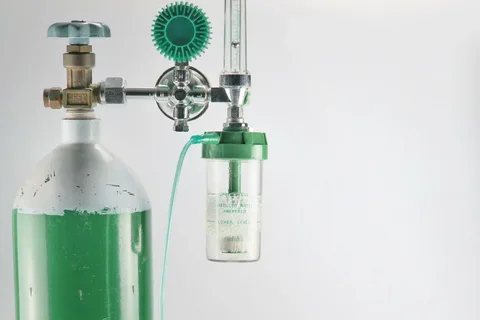
Understanding the main components makes it easier to recognize how an oxygen cylinder operates.
Cylinder Body
The cylinder body is the main container that stores compressed oxygen. It is manufactured using materials designed for high-pressure applications.
Cylinder Valve
The valve controls the release of oxygen from the cylinder. It must be compatible with the particular cylinder and gas supply.
Pressure Gauge
The pressure gauge displays the pressure inside the cylinder or the relevant regulated system.
It helps trained users assess the remaining oxygen supply.
Pressure Regulator
A regulator reduces the high cylinder pressure to an appropriate operating pressure.
It is an essential part of the oxygen supply system.
Flow Meter
A flow meter controls or displays the oxygen flow rate. In medical applications, the prescribed flow is generally measured in litres per minute.
Oxygen Tubing
Oxygen tubing carries oxygen from the equipment to the delivery device.
It must be suitable for oxygen use and maintained according to the manufacturer’s instructions.
Protective Cap
Some cylinder designs use protective valve caps to reduce the risk of damage during transportation and storage.
Medical Uses of Oxygen Cylinders
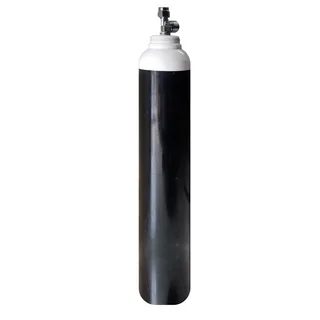
Medical oxygen cylinders have several applications in healthcare. They are particularly important when patients need supplemental oxygen and a fixed oxygen supply is unavailable.
1. Hospital Treatment
Hospitals use medical oxygen in emergency departments, intensive care units, operating rooms, and other clinical areas.
Oxygen may be administered to patients with low blood oxygen levels or other medical conditions when clinically indicated.
2. Emergency Medical Services
Ambulances often carry oxygen cylinders to provide an additional oxygen source during emergency transportation.
Medical teams assess patients and administer oxygen when required.
3. Home Oxygen Therapy
Some patients receive oxygen therapy at home as part of a medically supervised treatment plan.
Depending on their requirements, they may use an oxygen cylinder, oxygen concentrator, or another approved oxygen delivery system.
4. Patient Transportation
Oxygen cylinders can provide a portable oxygen supply when patients move between healthcare facilities or medical departments.
The required supply must be calculated before transportation, taking possible delays into account.
5. Surgical Procedures
Medical oxygen is used in clinical environments as part of respiratory support and anesthesia systems.
Its administration is managed by trained healthcare professionals using appropriate medical equipment.
6. Emergency Respiratory Support
In certain emergencies, oxygen may be provided as part of a broader treatment approach.
However, breathing difficulties can have many causes, and oxygen alone does not treat every underlying condition.
Oxygen Cylinder vs Oxygen Concentrator
An oxygen cylinder and an oxygen concentrator both provide oxygen to users, but they operate differently.
An oxygen cylinder stores oxygen that has already been compressed and filled by a supplier.
An oxygen concentrator takes in surrounding air and separates oxygen from other gases using a filtration and separation process.
| Feature | Oxygen Cylinder | Oxygen Concentrator |
|---|---|---|
| Working principle | Stores compressed oxygen | Separates oxygen from surrounding air |
| Power requirement | Does not normally require electricity to release stored gas | Usually requires electricity |
| Oxygen supply | Limited by stored capacity | Depends on equipment operation |
| Portability | Depends on cylinder size | Depends on model |
| Refilling | Requires authorized refilling or replacement | Does not require cylinder refilling |
| Maintenance | Cylinder and regulator inspections | Equipment servicing and filter maintenance |
| Emergency use | Can provide a stored oxygen supply | May require backup power |
Neither option is automatically better for every patient.
The appropriate choice depends on medical requirements, oxygen flow needs, mobility, electricity availability, and advice from a healthcare professional.
Who May Need an Oxygen Cylinder?
An oxygen cylinder may be prescribed for people who require supplemental oxygen.
Possible medical situations include:
- Certain chronic respiratory diseases
- Severe pneumonia
- Some cases of respiratory failure
- Specific heart and lung conditions
- Low blood oxygen levels
- Certain emergencies
- Temporary oxygen requirements during medical transportation
Not everyone who experiences breathlessness needs oxygen therapy.
A person can feel short of breath for several reasons, including heart conditions, lung problems, anemia, infections, or anxiety.
Medical assessment is necessary to determine whether oxygen is appropriate.
Medical Oxygen and Oxygen Therapy
Oxygen therapy is a medical treatment in which additional oxygen is provided to a person who needs it.
The objective is to maintain an appropriate level of oxygen in the body.
Healthcare professionals may use different methods to deliver oxygen depending on the patient’s condition.
Nasal Cannula
A nasal cannula is a small device with two soft prongs that fit into the nostrils.
It is commonly used for patients who need supplemental oxygen at a prescribed flow.
Simple Oxygen Mask
An oxygen mask covers the nose and mouth and delivers oxygen through connected tubing.
The specific mask and flow requirements depend on the patient’s medical needs.
Reservoir Mask
A reservoir mask includes a bag that can hold additional oxygen.
It is used in particular clinical situations under professional supervision.
Other Oxygen Delivery Devices
Hospitals may also use specialized oxygen delivery systems, including high-flow equipment and ventilator-related systems.
The choice depends on the patient’s condition and the level of respiratory support required.
Important Safety Precautions When Using an Oxygen Cylinder
Oxygen cylinders require careful handling because they contain compressed gas and can increase the intensity of a fire.
Oxygen itself is not flammable, but it strongly supports combustion. Materials that might burn slowly in normal air can ignite more easily in an oxygen-enriched environment.
The World Health Organization emphasizes proper cylinder handling, secure storage, ventilation, and separation from ignition sources. World Health Organization+2
1. Keep Away From Fire
Never use an oxygen cylinder near cigarettes, candles, matches, gas flames, or other ignition sources.
Smoking should be prohibited wherever medical oxygen is being used or stored.
2. Store Cylinders Upright and Securely
Cylinders should be stored according to their design and manufacturer’s instructions.
Where upright storage is required, they must be secured using an appropriate rack, chain, or support to prevent falling.
3. Avoid Oil and Grease
Oil, grease, and petroleum-based substances must not come into contact with oxygen cylinder valves, regulators, or fittings.
Use only equipment and materials approved for oxygen service.
4. Check Cylinder Labels
Always verify the cylinder label before use.
Do not rely on color alone to identify the gas because color-coding systems can differ between countries and suppliers.
5. Inspect the Equipment
The cylinder, regulator, pressure gauge, and associated fittings should be checked before use by trained personnel.
Damaged or leaking equipment must not be used.
6. Keep the Cylinder Away From Heat
High temperatures can increase pressure inside a compressed gas cylinder.
Store cylinders away from direct heat, heaters, open flames, and excessive sunlight.
7. Avoid Unauthorized Repairs
Never attempt to repair a damaged valve, regulator, or cylinder yourself.
Contact the authorized supplier or qualified technical personnel.
8. Secure Cylinders During Transportation
Cylinders should be transported using suitable equipment and secured properly.
They should not be allowed to roll freely or fall during movement.
9. Maintain Good Ventilation
Oxygen storage areas should have suitable ventilation.
This helps prevent oxygen enrichment if a leak occurs.
10. Close the Supply When Not in Use
Follow the equipment manufacturer’s instructions and close the cylinder supply when it is not required.
Trained personnel should verify that the oxygen flow has stopped correctly.
How to Store an Oxygen Cylinder Properly
Proper storage is important for maintaining cylinder safety and protecting people in the surrounding environment.
A suitable storage area should have the following characteristics:
Good ventilation: The area should allow adequate air circulation.
Dry surroundings: Cylinders should be protected from moisture and corrosive conditions.
Controlled access: Unauthorized people should not be allowed to handle the equipment.
Clear identification: Medical oxygen cylinders should be clearly labeled.
Protection from heat: Cylinders should be kept away from excessive temperatures and ignition sources.
Physical separation: Full and empty cylinders should be identified and stored separately.
Secure positioning: Cylinders should be properly supported to prevent accidental movement.
The World Health Organization also recommends protective valve caps where applicable and appropriate separation from ignition sources. Iris+1
How to Check the Remaining Oxygen Supply
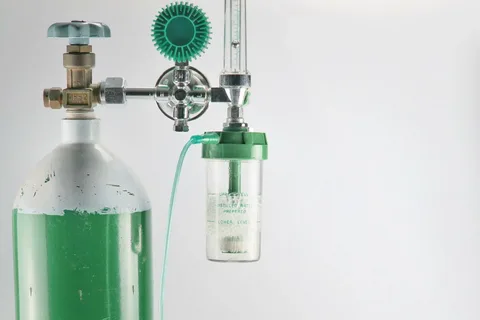
Monitoring the remaining oxygen supply is important, especially when a cylinder is used for patient care or transportation.
The pressure gauge provides information about the pressure inside the cylinder.
A trained healthcare worker or equipment operator can use the gauge, cylinder specifications, and prescribed flow information to estimate the available supply.
Several factors should be considered:
- Initial cylinder pressure
- Current cylinder pressure
- Cylinder capacity
- Prescribed flow rate
- Equipment requirements
- Expected transportation time
A cylinder should not be allowed to run out unexpectedly during treatment.
Healthcare facilities generally maintain procedures for checking cylinder availability and arranging replacement supplies.
Patients receiving oxygen at home should contact their oxygen supplier before their reserve becomes low.
Signs That an Oxygen Cylinder May Have a Problem
Some problems can affect the safe operation of an oxygen cylinder.
Recognizing warning signs can help prevent accidents.
Damaged Cylinder Body
Visible dents, corrosion, unusual deformation, or other damage should be reported to the supplier.
Faulty Pressure Gauge
A gauge that appears damaged, stuck, or difficult to read should be inspected by qualified personnel.
Suspected Gas Leakage
A leaking cylinder or connection can create a dangerous oxygen-enriched environment.
Do not attempt to tighten or repair damaged components without appropriate training.
Unusual Valve Condition
A valve that appears broken, damaged, or difficult to operate should not be forced.
Missing or Unclear Label
A cylinder with an unreadable or missing identification label should not be used until its contents have been verified.
If a leak or other serious safety problem is suspected, keep people away from the equipment, avoid ignition sources, and contact trained emergency or supplier personnel.
Oxygen Cylinder Maintenance and Inspection
Regular maintenance helps ensure that oxygen cylinders remain suitable for their intended use.
Medical facilities and authorized suppliers generally follow inspection and maintenance procedures based on applicable regulations and cylinder specifications.
Important maintenance activities include:
- Checking the cylinder body for visible damage.
- Inspecting valves and regulators.
- Checking pressure gauges.
- Confirming cylinder identification and labeling.
- Reviewing inspection and testing dates.
- Checking connections for leaks.
- Maintaining records of cylinder inspections.
- Replacing damaged accessories through authorized suppliers.
Cylinder pressure testing must be performed by an appropriately certified testing facility at the required intervals.
Maintenance should never be performed by untrained individuals.
Oxygen Cylinder Price and Purchasing Considerations
The price of an oxygen cylinder depends on its size, material, manufacturing quality, certification, and intended application.
A small portable cylinder may cost less than a large medical cylinder, but the total purchase or rental cost can also include additional equipment.
Before purchasing an oxygen cylinder, consider the following factors.
Cylinder Capacity
Choose a cylinder capacity that matches the intended application and required oxygen supply.
Material and Construction
Steel and aluminum cylinders have different weight, durability, and handling characteristics.
Certification
Check whether the cylinder meets the relevant pressure-vessel and medical gas requirements.
Regulator Compatibility
The regulator must be compatible with the cylinder valve and intended application.
Supplier Reliability
Purchase medical oxygen equipment through reputable, authorized suppliers.
Maintenance Availability
Consider whether inspection, testing, replacement parts, and technical support are available.
Rental or Purchase
Some medical equipment providers offer rental arrangements, which may be suitable for temporary requirements.
Prices vary by location and supplier, so obtaining quotations from several reputable providers can help buyers make informed decisions.
Oxygen Cylinders in Pakistan
Oxygen cylinders are an important part of healthcare services in Pakistan.
Hospitals, private clinics, emergency departments, and ambulance services use medical oxygen to support patients who require supplemental oxygen.
Medical oxygen suppliers also provide cylinders and related equipment for approved home-care arrangements.
In major cities, including Lahore, Karachi, Islamabad, Rawalpindi, and Faisalabad, medical equipment providers may offer different cylinder capacities and related accessories.
When purchasing or renting a medical oxygen cylinder in Pakistan, customers should check:
- Whether the supplier is authorized.
- Whether the cylinder is specifically intended for medical oxygen.
- Whether the cylinder has appropriate inspection and testing records.
- Whether the regulator is compatible.
- Whether delivery and replacement services are available.
- Whether the supplier provides operating and safety instructions.
The cheapest option is not necessarily the safest choice. Proper certification, medical gas quality, and reliable after-sales support should receive priority.
Environmental and Industrial Importance of Oxygen Cylinders
Oxygen cylinders are also used in industries that require a controlled supply of oxygen.
Metal Cutting
Oxygen is used in certain oxy-fuel cutting processes to support the oxidation of heated metal.
Welding
Some welding and metalworking applications use oxygen as part of specialized gas systems.
Manufacturing
Industrial facilities may use oxygen in particular manufacturing and processing operations.
Laboratory Applications
Some laboratories use oxygen for controlled experiments and technical procedures.
Industrial applications require appropriate equipment, trained operators, and workplace safety procedures.
Medical oxygen cylinders and industrial oxygen cylinders should not be treated as interchangeable.
Common Myths About Oxygen Cylinders
There are several misunderstandings about oxygen cylinders that can lead to incorrect decisions.
Myth 1: Oxygen Is a Flammable Gas
Oxygen itself is not flammable. However, it supports combustion and can make fires burn much more intensely.
Myth 2: Everyone Who Has Breathing Problems Needs Oxygen
Not every breathing problem requires oxygen therapy. A healthcare professional must assess the cause and determine whether supplemental oxygen is appropriate.
Myth 3: A Bigger Cylinder Always Means Better Treatment
Cylinder size only determines storage capacity. It does not determine the quality of medical treatment.
Myth 4: Industrial Oxygen Can Always Replace Medical Oxygen
Industrial oxygen should not be used as a substitute for medical oxygen. Medical applications require appropriate quality standards and supply controls.
Myth 5: Oxygen Cylinders Are Completely Safe Without Maintenance
Like other pressure vessels, oxygen cylinders require proper inspection, storage, and handling.
Myth 6: Oxygen Flow Can Be Changed Whenever a Patient Feels Uncomfortable
Changing prescribed oxygen settings without medical advice can be dangerous. Patients should follow their treatment plan and seek professional guidance when symptoms change.
The Importance of Choosing the Right Oxygen Supplier
Selecting a reliable oxygen supplier is an important part of obtaining safe medical oxygen.
A trustworthy supplier should provide properly labeled cylinders, appropriate documentation, compatible equipment, and clear safety instructions.
Customers should also ask about cylinder inspection, refill arrangements, emergency replacement, and technical support.
Healthcare facilities may require additional services, including cylinder inventory management and scheduled deliveries.
A good supplier understands that medical oxygen is an essential healthcare product rather than an ordinary compressed gas.
Frequently Asked Questions About Oxygen Cylinders
1. What is an oxygen cylinder used for?
An oxygen cylinder stores compressed oxygen and supplies it when needed. Medical cylinders are used in hospitals, ambulances, clinics, and approved home oxygen therapy arrangements.
2. How does an oxygen cylinder work?
It stores oxygen under pressure. A compatible regulator controls the pressure, and a flow-control device regulates the oxygen supply.
3. What are the main types of oxygen cylinders?
Common types include medical oxygen cylinders, portable cylinders, large medical cylinders, industrial cylinders, steel cylinders, and aluminum cylinders.
4. Can an oxygen cylinder be used at home?
Yes, when prescribed or arranged as part of an appropriate medical care plan. Patients and caregivers should receive proper instructions about equipment use and safety.
5. How long does an oxygen cylinder last?
Its operating duration depends on its capacity, remaining pressure, prescribed oxygen flow, and delivery equipment. There is no single duration that applies to every cylinder.
6. What is the difference between an oxygen cylinder and an oxygen concentrator?
An oxygen cylinder stores compressed oxygen, while an oxygen concentrator separates oxygen from surrounding air using a specialized system.
7. Is oxygen flammable?
Oxygen is not itself flammable, but it supports combustion. An oxygen-enriched environment can make fires start more easily and burn more intensely.
8. Can an oxygen cylinder explode?
A cylinder can rupture or fail dangerously if damaged, exposed to extreme heat, or handled incorrectly. Proper storage and handling reduce these risks.
9. What is the purpose of an oxygen regulator?
A regulator reduces the high pressure inside the cylinder to an appropriate operating pressure.
10. What does an oxygen pressure gauge show?
It indicates pressure in the relevant part of the cylinder system and helps trained personnel assess the remaining gas supply.
11. Can industrial oxygen be used for patients?
No. Industrial oxygen should not be used as a replacement for medical oxygen. Patients require oxygen supplied to appropriate medical quality standards.
12. How should an oxygen cylinder be stored?
It should be kept in a suitable, ventilated storage area, protected from heat and ignition sources, and secured according to the manufacturer’s instructions.
13. Can oxygen cylinders be transported?
Yes, but they must be transported using appropriate equipment and secured properly to prevent falling or damage.
14. What should I do if an oxygen cylinder leaks?
Avoid ignition sources, keep people away, and contact the supplier or qualified emergency personnel. Never attempt an unauthorized repair.
15. Does every hospital need oxygen cylinders?
Oxygen cylinders are commonly maintained as part of healthcare oxygen supplies, particularly for emergencies, transportation, and backup arrangements. The exact requirements depend on the facility’s oxygen system.
16. Are portable oxygen cylinders suitable for traveling?
They can be useful for transportation and certain travel situations, provided the oxygen supply is sufficient and the patient’s medical requirements are properly managed.
17. How often should oxygen cylinders be inspected?
Inspection and pressure-testing intervals depend on the cylinder design, applicable regulations, and manufacturer requirements. Authorized testing facilities should perform required inspections.
18. What is medical-grade oxygen?
Medical-grade oxygen is oxygen produced, tested, labeled, and supplied according to applicable pharmaceutical or medical gas quality requirements.
19. Can a patient change the oxygen flow rate?
Patients should not change their prescribed oxygen flow without medical guidance unless their healthcare professional has provided a specific adjustment plan.
20. Why is oxygen important in hospitals?
Oxygen supports essential medical treatments and helps healthcare professionals manage patients who have inadequate oxygen levels or require respiratory support.
Conclusion
An oxygen cylinder is an essential piece of equipment in modern healthcare and several industrial applications. Its ability to store and deliver compressed oxygen makes it useful in hospitals, ambulances, emergency departments, clinics, and approved home-care environments.
Understanding oxygen cylinder types, components, working principles, and applications helps people make better decisions when choosing or handling this equipment.
However, safety should always remain the priority. Proper storage, compatible regulators, routine inspections, reliable suppliers, and protection from fire hazards are essential for responsible oxygen cylinder use.
Medical oxygen should only be used according to appropriate healthcare guidance. Patients should never change their prescribed oxygen settings or use industrial oxygen as a substitute for medical supplies.
As healthcare services continue to develop, oxygen cylinders will remain an important option for providing portable and backup oxygen supplies. Their value depends not only on their design and capacity but also on responsible handling, quality standards, and professional medical supervision.
Meta title: Oxygen Cylinder: Types, Uses, Safety, and Complete Guide
Meta description: Explore the complete guide to oxygen cylinders, including types, medical uses, working principles, sizes, prices, storage, maintenance, and safety precautions.
Reference sources for factual accuracy:
- World Health Organization: Oxygen Cylinder Safety
- Indian Ministry of Health: National Guidelines on Medical Oxygen Management
- Scottish Government: Medical Oxygen Cylinder Storage Guidelines















Leave a Reply