

Introduction
Chlor calcium, commonly known as calcium chloride, is a chemical compound used in many industries, commercial products, laboratories, and everyday applications. Although its name may sound complicated, calcium chloride is a practical substance that plays an important role in several areas, including food processing, water treatment, construction, agriculture, road maintenance, and industrial manufacturing.
Many people search for chlor calcium because they want to understand what it is, how it works, where it is used, and whether it is safe. It is particularly interesting because this compound has several useful properties. It can absorb moisture from the surrounding environment, dissolve easily in water, and release heat when mixed with water.
Calcium chloride is also known for its ability to lower the freezing point of water. This property makes it useful for controlling ice on roads, sidewalks, parking areas, and other surfaces during winter.
However, its applications go far beyond snow removal. Food manufacturers use carefully regulated food-grade calcium chloride in certain products, while construction professionals use it in different industrial processes. Water treatment facilities also rely on it for specific chemical applications.
This article explores chlor calcium in detail, including its chemical characteristics, common uses, benefits, handling precautions, storage requirements, and environmental considerations.
What Is Chlor Calcium?
Chlor calcium is another way people refer to calcium chloride, an inorganic chemical compound made from calcium and chlorine.
Its chemical formula is CaCl₂. This means that each formula unit contains one calcium ion and two chloride ions.
Calcium chloride generally appears as a white solid. Depending on its manufacturing process and physical form, it may be available as flakes, pellets, granules, or powder. It can also be supplied as a liquid solution for industrial and commercial applications.
One of its most recognizable characteristics is its ability to attract and absorb moisture. This property is called hygroscopicity. Some forms of calcium chloride can absorb so much water that they eventually dissolve in the absorbed moisture.
Another important characteristic is its behavior when dissolved in water. The process releases heat, which means the surrounding solution becomes warmer.
Because of these properties, calcium chloride has become an important material in industries that need moisture control, freezing-point reduction, or calcium-based chemical treatment.
Chemical Composition of Calcium Chloride

Calcium chloride consists of two chemical elements:
Calcium: Calcium is a naturally occurring alkaline earth metal. It is an important element in rocks, minerals, soil, and living organisms.
Chlorine: Chlorine is a chemical element that commonly forms chloride ions when it participates in ionic compounds.
When calcium loses two electrons, it forms a positively charged calcium ion (Ca²⁺). Each chlorine atom gains one electron and forms a negatively charged chloride ion (Cl⁻).
The electrical charges balance when one calcium ion combines with two chloride ions.
This produces the neutral chemical compound CaCl₂.
Calcium chloride can exist in different hydration states. These include anhydrous calcium chloride, which contains no water molecules in its crystal structure, and hydrated forms that contain water molecules.
The most common hydrated forms include calcium chloride dihydrate and calcium chloride hexahydrate.
The exact physical properties depend on the form, purity, and manufacturing specifications of the material.
Important Physical Properties
Understanding the physical properties of chlor calcium helps explain why it is useful in so many different applications.
1. Appearance
Calcium chloride is generally a white or colorless crystalline solid. Commercial products may be sold as powder, flakes, pellets, or granules.
Its appearance can vary depending on the grade and moisture content.
2. High Water Solubility
One of the most important characteristics of calcium chloride is its ability to dissolve in water.
It separates into calcium and chloride ions when dissolved. This makes it useful in processes that require calcium ions in an aqueous solution.
3. Moisture Absorption
Calcium chloride attracts moisture from the surrounding air. This makes it useful in moisture-control products and industrial drying applications.
Its moisture-absorbing ability is particularly valuable in enclosed spaces, packaging systems, and certain manufacturing environments.
4. Heat Release
When calcium chloride dissolves in water, the process releases heat. This is known as an exothermic process.
The amount of heat produced depends on the concentration, hydration state, and conditions of dissolution.
5. Freezing-Point Reduction
Calcium chloride can reduce the freezing point of water. This is why it is commonly used in winter road maintenance.
It helps prevent ice formation and can assist in melting existing ice under suitable temperature conditions.
6. Chemical Stability
When stored correctly, calcium chloride is relatively stable. However, it absorbs moisture easily, so suitable packaging is important.
How Is Calcium Chloride Manufactured?
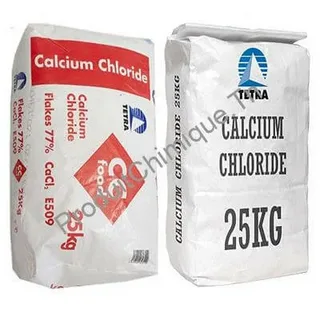
Calcium chloride can be produced through several industrial processes.
One common production method involves reacting limestone with hydrochloric acid.
Limestone mainly contains calcium carbonate. When calcium carbonate reacts with hydrochloric acid, calcium chloride, water, and carbon dioxide are produced.
The chemical reaction is:
CaCO₃ + 2HCl → CaCl₂ + H₂O + CO₂
The resulting calcium chloride solution can be processed, purified, concentrated, and dried depending on the intended application.
Another production method involves recovering calcium chloride from certain industrial processes.
For example, it can be obtained as a byproduct during the production of soda ash through the Solvay process.
Manufacturers select the production and purification methods according to the quality requirements of their customers.
Food-grade calcium chloride requires appropriate quality controls because it may be used in products intended for human consumption.
Industrial-grade calcium chloride has different specifications depending on its intended purpose.
Common Uses of Chlor Calcium
Calcium chloride has a wide range of applications. Its ability to absorb moisture, dissolve in water, release heat, and reduce freezing temperatures makes it useful across different industries.
1. Road Deicing
One of the most familiar applications of calcium chloride is winter road maintenance.
During cold weather, water on roads can freeze and create dangerous driving conditions. Ice reduces tire grip and increases the possibility of accidents.
Calcium chloride helps address this problem by lowering the freezing point of water.
Road maintenance departments may spread calcium chloride flakes, pellets, or liquid solutions over roads, bridges, parking lots, and sidewalks.
Unlike some conventional deicing materials, calcium chloride releases heat when it dissolves. This can help accelerate the melting process.
However, the amount required depends on the temperature, ice thickness, surface conditions, and product specifications.
2. Dust Control
Unpaved roads can produce large amounts of dust, particularly in dry weather.
Dust creates problems for nearby homes, businesses, agricultural areas, and industrial facilities.
Calcium chloride is used as a dust suppressant because it attracts and retains moisture.
When applied appropriately to unpaved surfaces, it helps maintain moisture within the road material and reduces airborne dust.
This application is useful for:
- Construction access roads.
- Mining operations.
- Industrial yards.
- Gravel roads.
- Agricultural access routes.
- Temporary work areas.
Proper application is important because excessive or inappropriate use can affect surrounding soil and vegetation.
3. Food Processing
Food-grade calcium chloride is used in certain food manufacturing processes.
It can help improve texture, support firmness, and provide calcium ions during food preparation.
For example, it may be used in cheese production to support the coagulation process, particularly when milk processing has reduced available calcium.
It is also used in some canned vegetables and fruit products to help maintain firmness.
Pickling operations may use calcium chloride as an alternative source of calcium for improving the texture of certain foods.
Its use in food products must follow applicable food safety regulations and permitted usage levels.
4. Water Treatment
Water treatment facilities use calcium chloride in certain applications that require calcium ions.
Water chemistry is important because the concentration of dissolved minerals can influence corrosion, scaling, and treatment performance.
Calcium chloride may be used in selected treatment processes to adjust calcium concentration or support specific chemical requirements.
Its suitability depends on the water source and the treatment objective.
It should not be assumed that calcium chloride alone can make unsafe water suitable for drinking. Proper testing and an appropriate treatment process are necessary.
5. Construction Industry
Calcium chloride has historically been used in some construction applications.
One example is its use as an accelerating admixture in concrete.
It can accelerate early cement hydration and help concrete develop early strength more quickly under certain conditions.
This can be useful when construction schedules are tight or when working in cooler weather.
However, calcium chloride is not suitable for every concrete application.
In particular, chloride-containing admixtures can increase the risk of corrosion in steel reinforcement. For this reason, their use is restricted or prohibited in many reinforced concrete applications.
Construction professionals should follow applicable building standards and consult the concrete mix designer before selecting an admixture.
6. Agriculture
Calcium is an essential plant nutrient. It contributes to cell wall structure, root development, and other important plant functions.
Calcium chloride can be used in certain agricultural situations as a source of calcium.
For example, carefully managed calcium chloride sprays may be used in some fruit-growing operations to address calcium-related quality problems.
However, calcium chloride is not a universal fertilizer.
The appropriate application depends on crop type, soil conditions, plant health, concentration, and local agricultural recommendations.
Excessive application may cause leaf burn or other plant damage.
7. Oil and Gas Industry
The oil and gas industry uses calcium chloride solutions in specialized drilling and completion operations.
Its concentrated brines can provide useful fluid density and help control pressure in particular well operations.
These solutions are selected according to the technical requirements of the well.
Calcium chloride may also be used in certain workover fluids and other industrial processes.
8. Moisture Absorption
Because calcium chloride attracts water, it is useful in moisture-control products.
Some commercial dehumidifying products contain calcium chloride as their active moisture-absorbing ingredient.
These products are often used in:
- Storage rooms.
- Closets.
- Warehouses.
- Shipping containers.
- Basements.
- Enclosed storage spaces.
As moisture is absorbed, the material may gradually dissolve and form a liquid brine.
This liquid needs to be handled carefully because it can irritate skin and damage certain materials.
9. Industrial Refrigeration
Calcium chloride brines can be used in certain refrigeration and cooling systems.
The solution has a lower freezing point than pure water, making it useful in selected secondary cooling applications.
However, the correct concentration must be maintained to achieve the required freezing protection.
System compatibility and corrosion control are also important considerations.
10. Laboratory Applications
Laboratories use calcium chloride for different chemical experiments and research activities.
Anhydrous calcium chloride can act as a drying agent for certain gases and organic liquids.
It is also used in chemical preparation, demonstrations, and analytical procedures.
The appropriate grade depends on the experiment and purity requirements.
Different Forms of Calcium Chloride
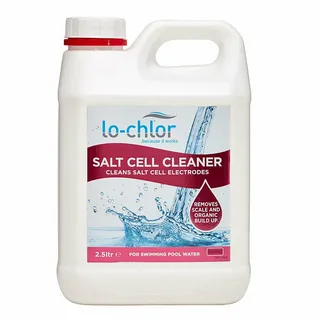
Calcium chloride is available in several physical forms.
Each form has advantages depending on the intended application.
Calcium Chloride Powder
A finely divided form used in selected chemical and industrial applications.
Powdered calcium chloride dissolves relatively quickly because of its large surface area.
However, it can produce dust during handling, so appropriate protective measures are necessary.
Calcium Chloride Flakes
Flakes are commonly used for road treatment, dust control, and industrial applications.
They are relatively easy to measure and distribute with suitable equipment.
Calcium Chloride Pellets
Pellets are often selected for moisture-control products and applications requiring controlled handling.
Their size and shape can make storage and distribution more convenient.
Calcium Chloride Granules
Granular products are available for industrial and commercial use.
Their performance depends on particle size, purity, and moisture content.
Liquid Calcium Chloride
Liquid calcium chloride is generally supplied as an aqueous solution.
It is useful in industrial applications where a ready-to-use liquid is preferred.
The concentration should always be checked because different products contain different amounts of dissolved calcium chloride.
Benefits of Calcium Chloride
Calcium chloride provides several practical advantages.
Effective Moisture Absorption
Its ability to absorb moisture makes it a useful material for humidity control.
It can help protect certain stored products and equipment from excessive moisture when used correctly.
Useful for Ice Management
Calcium chloride can help control ice on outdoor surfaces.
Its heat-releasing behavior during dissolution makes it useful for certain winter maintenance operations.
Versatile Industrial Applications
The compound is used in food processing, construction-related applications, agriculture, chemical manufacturing, and other industries.
Its versatility makes it an important industrial chemical.
Easy Availability
Calcium chloride is manufactured commercially in different grades and physical forms.
This allows customers to select products that match their intended applications.
Useful Source of Calcium
In suitable applications, calcium chloride provides calcium ions.
This property is relevant in food processing, certain agricultural uses, and water treatment.
Convenient Liquid and Solid Options
Customers can select solid or liquid calcium chloride depending on their equipment and processing requirements.
This flexibility makes it suitable for many different operational environments.
Is Calcium Chloride Safe?
Calcium chloride is widely used in commercial and industrial applications, but it should not be considered completely harmless.
Its safety depends on the concentration, quantity, route of exposure, and intended application.
Industrial-grade calcium chloride should never automatically be treated as suitable for food, pharmaceutical, or household use.
Skin Contact
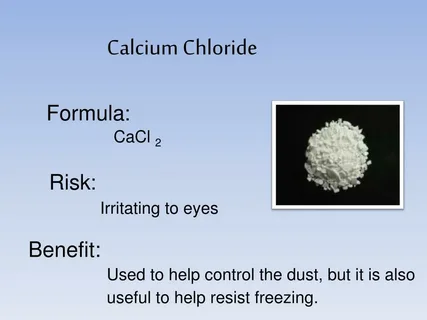
Direct contact with concentrated calcium chloride solutions or solid material may cause skin irritation.
Prolonged contact can result in more serious irritation or chemical burns.
Protective gloves are recommended when handling concentrated products.
If contact occurs, rinse the affected area thoroughly with clean water.
Eye Contact
Calcium chloride can cause significant eye irritation and potentially serious eye damage.
Protective goggles should be worn when there is a risk of splashing or dust exposure.
If the material enters the eyes, rinse immediately with plenty of clean water and seek medical attention.
Inhalation
Dust from powdered calcium chloride may irritate the respiratory tract.
People handling large quantities should use appropriate ventilation and respiratory protection when required by the safety data sheet.
Accidental Ingestion
Swallowing calcium chloride can irritate the mouth, throat, and digestive system.
Large exposures may require urgent medical assessment.
Do not attempt to treat a significant ingestion at home. Contact local emergency medical services or a poison information service.
Handling Concentrated Solutions
Concentrated solutions should be handled carefully.
When preparing a solution, add calcium chloride gradually to water while stirring, rather than pouring water onto a large quantity of solid material.
This helps manage the heat released during dissolution.
Safety Precautions When Handling Chlor Calcium
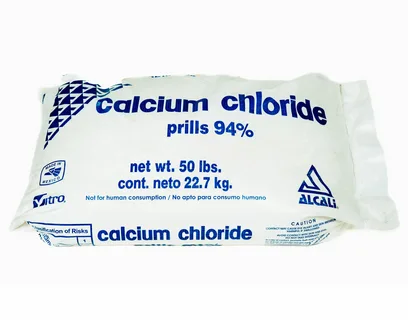
Safe handling is essential in industrial, agricultural, laboratory, and commercial environments.
The following precautions can help reduce exposure risks.
Wear protective gloves: Gloves help reduce direct skin contact.
Use eye protection: Safety goggles are important when handling powders or liquids that may splash.
Maintain ventilation: Work in a properly ventilated environment to reduce exposure to dust.
Avoid unnecessary contact: Do not touch the material with bare hands when handling concentrated products.
Keep containers closed: Calcium chloride absorbs moisture from the air, so tightly closed packaging helps maintain product quality.
Read the safety data sheet: Always check the manufacturer’s safety documentation before handling a new product.
Keep away from children: Industrial chemicals should be stored securely and away from food, drinks, and household products.
Use appropriate equipment: Storage and handling equipment should be compatible with the product and its concentration.
Calcium Chloride in Food Products
One particularly interesting application of calcium chloride is in food production.
Food-grade calcium chloride is used for specific technological purposes.
It is not normally added to foods simply to make them taste salty. Instead, its calcium ions can help influence texture and firmness.
Cheese Manufacturing
During cheese production, calcium chloride may help improve milk coagulation under certain processing conditions.
Milk composition can change during storage and processing. Calcium chloride can help compensate for some reductions in available calcium.
Its use depends on the type of milk and the cheese-making process.
Canned Vegetables
Some canned vegetables can become softer during processing.
Food-grade calcium chloride may help maintain firmness by supporting the structure of plant tissues.
Pickled Foods
Calcium chloride is sometimes used in pickling to help maintain the firmness of cucumbers and other vegetables.
It can provide a calcium source without introducing the same flavor characteristics associated with some traditional additives.
Fruit Processing
Certain fruit-processing applications use calcium chloride to help maintain firmness.
The amount and method of application depend on the fruit and the applicable food regulations.
Only products specifically manufactured and approved for food use should be used in food processing.
Calcium Chloride vs. Other Deicing Materials
Calcium chloride is one of several substances used to manage ice.
Other common deicing materials include sodium chloride and magnesium chloride.
Each has different chemical and practical properties.
Calcium Chloride vs. Sodium Chloride
Sodium chloride is ordinary salt and is widely used for road deicing.
Calcium chloride has a stronger moisture-absorbing property and releases heat when dissolving.
Sodium chloride is generally less expensive, but its performance can be limited under very cold conditions.
The most appropriate choice depends on temperature, cost, surface type, and environmental considerations.
Calcium Chloride vs. Magnesium Chloride
Magnesium chloride is another moisture-attracting chloride salt used in deicing and dust suppression.
Both materials can be effective, but their performance and environmental effects depend on application rates and site conditions.
Neither product should be applied without considering possible effects on plants, soil, water, and nearby structures.
Environmental Impact of Calcium Chloride
Although calcium chloride is useful in many industries, its environmental impact should not be ignored.
When applied to roads or outdoor surfaces, it can eventually enter nearby soil and water through runoff.
Effects on Soil
Excessive chloride accumulation may affect soil chemistry.
High concentrations of dissolved salts can create unfavorable conditions for certain plants.
Calcium can also influence soil structure, but the overall effect depends on the soil composition and application rate.
Effects on Plants
Some plants are sensitive to chloride.
Excessive exposure may cause leaf damage, reduced growth, or other stress symptoms.
Roadside trees and vegetation may be particularly exposed when deicing products are repeatedly applied.
Effects on Water
Calcium chloride can increase chloride concentrations in nearby surface water and groundwater.
Elevated chloride levels may affect freshwater organisms and water quality.
This is why responsible application and runoff management are important.
Corrosion
Chloride-containing materials can contribute to corrosion of certain metals.
Vehicles, bridges, metal structures, and reinforced concrete may be affected by repeated exposure.
Appropriate product selection and maintenance can help reduce these risks.
How to Store Calcium Chloride Properly
Proper storage helps maintain calcium chloride quality and reduces handling problems.
Because this chemical attracts moisture, packaging and storage conditions are particularly important.
Choose a Dry Storage Area
Store calcium chloride in a dry location whenever possible.
Excessive humidity can cause the material to absorb moisture and become wet or partially dissolved.
Keep Containers Sealed
Use tightly closed containers or manufacturer-approved packaging.
This helps prevent moisture absorption and contamination.
Avoid Incompatible Materials
Storage equipment should be compatible with the product.
Check the manufacturer’s safety data sheet for material compatibility recommendations.
Use Clear Labels
Containers should be clearly labeled with the product name, grade, and relevant safety information.
Do not transfer industrial chemicals into unmarked food or beverage containers.
Prevent Accidental Spills
Keep packaging in a stable location where it cannot easily fall or become damaged.
Clean up spills according to the manufacturer’s instructions.
How to Choose the Right Calcium Chloride Product
Not every calcium chloride product is suitable for every application.
Choosing the correct grade is important for performance and safety.
Identify the Intended Application
First, determine why you need calcium chloride.
For example, a road maintenance company may require a deicing product, while a food manufacturer needs an approved food-grade material.
Check Purity
Different products contain different levels of calcium chloride.
Purity requirements should match the intended application.
Consider Physical Form
Choose powder, flakes, pellets, granules, or liquid according to your equipment and handling requirements.
Review the Product Specification
A reliable supplier should provide information about concentration, purity, impurities, moisture content, and physical properties.
Check Safety Documentation
Request a safety data sheet and follow its handling and storage recommendations.
Consider Supplier Reliability
Buy from suppliers who provide consistent product quality and clear documentation.
For industrial purchases, it is also useful to ask about packaging, transportation, and batch quality controls.
Common Mistakes When Using Calcium Chloride
Even though calcium chloride is a widely used chemical, improper handling can create unnecessary problems.
Using the Wrong Grade
One of the most common mistakes is using industrial-grade calcium chloride in applications that require food-grade or higher-purity material.
Always verify the grade before use.
Ignoring Concentration
The concentration of calcium chloride solutions affects their performance and handling requirements.
Using an unsuitable concentration can reduce effectiveness or create safety concerns.
Adding Water Incorrectly
Because dissolution releases heat, adding water directly to a large amount of solid calcium chloride can create localized heating and splashing.
Add the solid gradually to water with suitable stirring and protective equipment.
Storing It in Open Containers
Leaving calcium chloride exposed to humid air can cause it to absorb water.
This may affect its appearance, handling characteristics, and product quality.
Applying Too Much on Roads
Excessive deicing or dust-control applications can increase chloride runoff and damage nearby vegetation or infrastructure.
Follow product-specific application recommendations.
Ignoring Protective Equipment
Handling powders and concentrated solutions without proper protection increases the possibility of skin, eye, and respiratory exposure.
Is Calcium Chloride the Same as Chlorine?
No. Calcium chloride and chlorine are different chemical substances.
This is an important distinction because their names can create confusion.
Chlorine is a chemical element with the symbol Cl. It is used in various industrial processes and water disinfection applications.
Calcium chloride is a compound made from calcium and chloride ions.
It does not have the same properties or uses as chlorine gas.
Although calcium chloride contains chloride, that does not mean it can be used as a substitute for chlorine-based disinfectants.
Different chemicals have different purposes and safety requirements.
Is Calcium Chloride Naturally Found in the Environment?
Calcium chloride can occur naturally in mineral deposits and saline environments, although commercial supplies are generally produced through industrial processes.
Calcium and chloride ions are also widely present in natural water systems.
The concentration varies depending on geological conditions, water sources, and environmental factors.
Commercial calcium chloride is processed to achieve the specifications required for industrial, food, or other applications.
The Role of Calcium Chloride in Modern Industry
Modern industries depend on chemical materials that can solve specific technical problems.
Calcium chloride is valuable because it performs several functions using a relatively simple chemical composition.
In road maintenance, it helps manage ice and dust.
In food manufacturing, it supports selected texture and processing requirements.
In industrial drying, it absorbs moisture.
In oil and gas operations, it provides useful properties in specialized brine solutions.
In water treatment, it supplies calcium ions for selected applications.
These uses demonstrate how one chemical compound can serve different purposes across unrelated industries.
The growing demand for efficient industrial materials also makes product quality and responsible chemical management increasingly important.
Manufacturers and consumers need to consider not only the effectiveness of a product but also its safety, environmental impact, and compatibility with the intended process.
Frequently Asked Questions About Chlor Calcium
1. What is chlor calcium?
Chlor calcium is a commonly used name for calcium chloride, an inorganic chemical compound with the formula CaCl₂. It is available in solid and liquid forms and is used in different industrial, commercial, agricultural, and food-processing applications.
2. What is the chemical formula of calcium chloride?
The chemical formula is CaCl₂. It consists of one calcium ion and two chloride ions.
3. What is calcium chloride mainly used for?
Its major applications include road deicing, dust suppression, moisture absorption, food processing, industrial refrigeration, selected water treatment processes, and oil and gas operations.
4. Does calcium chloride absorb water?
Yes. Calcium chloride is hygroscopic, meaning it attracts moisture from the surrounding environment. Certain forms can absorb enough moisture to dissolve into a liquid solution.
5. Is calcium chloride soluble in water?
Yes. Calcium chloride dissolves readily in water and releases heat during the dissolution process.
6. Is calcium chloride safe for humans?
It can be handled safely when appropriate precautions are followed. However, concentrated solutions and solid material can irritate or damage skin and eyes. It should never be swallowed or handled carelessly.
7. Can calcium chloride be used in food?
Yes, certain approved food-grade calcium chloride products are used in food manufacturing. Their use must follow applicable food safety regulations and permitted quantities.
8. Is calcium chloride used for melting ice?
Yes. It is commonly used as a deicing material because it lowers the freezing point of water and releases heat when dissolving.
9. Is calcium chloride a fertilizer?
It can provide calcium in certain agricultural applications, but it is not a complete fertilizer. Its suitability depends on crop requirements, soil conditions, and professional application recommendations.
10. Does calcium chloride damage concrete?
Chloride exposure can contribute to corrosion of embedded steel reinforcement. Calcium chloride is therefore restricted or unsuitable in many reinforced concrete applications.
11. What is the difference between liquid and solid calcium chloride?
Solid calcium chloride is available in forms such as flakes, powder, and pellets. Liquid calcium chloride is supplied as a solution in water. The best option depends on the intended application and equipment.
12. Why does calcium chloride become hot in water?
Its dissolution in water is exothermic. This means the process releases energy in the form of heat.
13. Can calcium chloride control dust?
Yes. It attracts and retains moisture, helping reduce dust from unpaved roads, construction areas, and industrial surfaces.
14. How should calcium chloride be stored?
It should be stored in tightly sealed packaging in a dry area. This prevents unnecessary moisture absorption and helps maintain product quality.
15. Is calcium chloride the same as table salt?
No. Table salt is sodium chloride (NaCl), while calcium chloride is CaCl₂. Both contain chloride ions, but their chemical compositions and properties are different.
Conclusion
Chlor calcium, commonly known as calcium chloride, is a versatile chemical compound with important applications across modern industries. Its ability to absorb moisture, dissolve easily in water, release heat, and reduce the freezing point of water makes it valuable in many different situations.
From winter road maintenance and dust suppression to food processing, agriculture, industrial refrigeration, and specialized chemical operations, calcium chloride offers practical solutions to a variety of challenges.
However, understanding its safety requirements is just as important as understanding its benefits. The correct product grade, concentration, storage conditions, and handling procedures all contribute to successful use.
It is also important to consider environmental effects, particularly when calcium chloride is applied outdoors or used in large quantities.
Whether someone is researching calcium chloride for educational purposes, comparing industrial chemicals, or learning about its commercial applications, understanding its properties provides a useful foundation.
Ultimately, calcium chloride demonstrates how a simple inorganic compound can have a significant role in everyday products, industrial processes, and infrastructure maintenance.












Leave a Reply