
Introduction
Sauvignon Blanc is one of the most recognizable white grape varieties in the world. Known for its refreshing character, lively acidity, and distinctive aromas, it has earned a special place among people who enjoy exploring different wine styles. From casual dinners to special celebrations, Sauvignon Blanc is often appreciated for its crisp personality and ability to complement a wide range of foods.
What makes this grape particularly interesting is how differently it can express itself depending on where it is grown. A bottle produced in New Zealand may have intense tropical fruit aromas, while one from France might offer more mineral, citrus, and herbal characteristics. California, Chile, South Africa, and other wine-producing regions also create their own interpretations.
For someone discovering white wine for the first time, Sauvignon Blanc can be an approachable starting point. Its fresh fruit flavors and noticeable acidity make it relatively easy to understand, even without professional tasting experience.
However, there is much more to this grape than its refreshing taste. Its history, growing conditions, production methods, regional differences, serving temperature, food compatibility, and aging potential all contribute to its worldwide popularity.
This guide explores Sauvignon Blanc from several perspectives, helping readers understand what makes it special, how it is produced, what flavors to expect, and how to appreciate its different styles.
What Is Sauvignon Blanc?
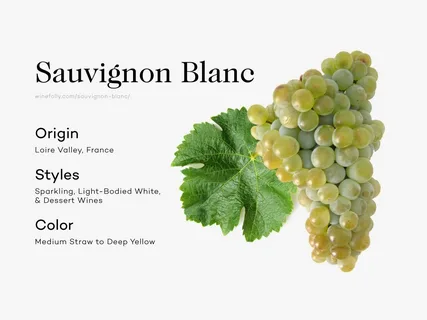
Sauvignon Blanc is a white grape variety used primarily to produce white wine. It originated in France and is now cultivated in many wine-producing countries.
The name is commonly associated with the French words sauvage, meaning wild, and blanc, meaning white. This reflects the grape’s historical connection with wild grapevines in France.
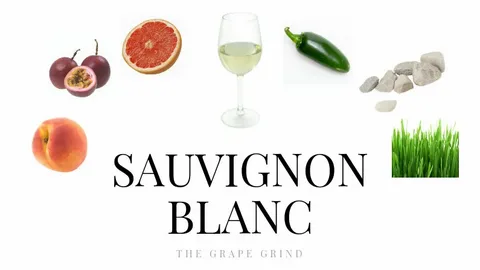
Sauvignon Blanc is particularly recognized for its aromatic qualities. Depending on the growing region and production techniques, its aromas may include:
- Lemon and lime.
- Green apple.
- Grapefruit.
- Passion fruit.
- Gooseberry.
- Fresh herbs.
- Grass and green pepper.
- Tropical fruit.
- Mineral and flinty notes.
Most Sauvignon Blanc wines are produced as dry white wines, meaning they contain relatively little residual sugar.
However, the grape is not limited to one style. It can also be used in sweet wines, sparkling blends, and wines aged in oak barrels.
Its flexibility allows winemakers to create bottles that suit different preferences and occasions.
The History of Sauvignon Blanc
The history of Sauvignon Blanc is closely connected with France, particularly the Loire Valley and Bordeaux.
Although the exact origins of the grape are not completely documented, historical evidence links it to French viticulture over several centuries.
Over time, growers recognized its ability to produce aromatic wines with distinctive freshness.
Early Development in France
France played an important role in developing Sauvignon Blanc into an internationally recognized grape variety.
The Loire Valley became particularly famous for producing elegant Sauvignon Blanc wines.
Areas such as Sancerre and Pouilly-Fumé developed reputations for wines with citrus aromas, fresh acidity, and mineral characteristics.
These wines helped establish Sauvignon Blanc as a serious white wine variety rather than simply a regional agricultural product.
Connection With Bordeaux
Sauvignon Blanc also became an important grape in Bordeaux.
Unlike many Loire Valley examples, Bordeaux Sauvignon Blanc is frequently blended with other grape varieties, especially Sémillon.
These blends can produce a broader range of wine styles, from refreshing dry whites to rich and complex sweet wines.
The relationship between Sauvignon Blanc and Sémillon remains an important part of Bordeaux wine production.
International Expansion
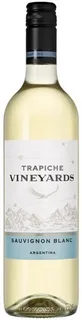
During the twentieth century, Sauvignon Blanc expanded into several wine-producing countries.
New Zealand became particularly influential in introducing a highly aromatic style to international consumers.
The Marlborough region developed a reputation for expressive wines featuring passion fruit, grapefruit, lime, and fresh herbal aromas.
California, Chile, South Africa, and Australia also expanded their production.
Today, Sauvignon Blanc is an internationally established white grape with distinctive regional identities.
What Does Sauvignon Blanc Taste Like?
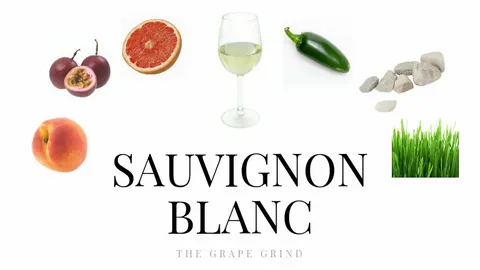
One of the reasons Sauvignon Blanc attracts so much attention is its recognizable flavor profile.
Although different bottles can taste quite different, many share a combination of freshness, acidity, and fruit-driven aromas.
Citrus Flavors
Citrus is one of the most common characteristics associated with Sauvignon Blanc.
Depending on the region and ripeness of the grapes, drinkers may notice:
- Lemon.
- Lime.
- Grapefruit.
- Citrus peel.
- Orange zest.
These flavors contribute to the refreshing character that makes the wine popular during warm weather.
Green Fruit Characteristics
Some Sauvignon Blanc wines have flavors associated with green fruits.
Green apple, pear, and gooseberry are frequently mentioned in tasting descriptions.
These flavors are particularly noticeable in cooler-climate examples.
Tropical Fruit Aromas
In warmer climates, Sauvignon Blanc can develop more tropical characteristics.
Common examples include:
- Passion fruit.
- Pineapple.
- Guava.
- Melon.
- Mango.
These aromas are especially associated with some New Zealand and warmer-climate wines.
Herbal Notes
Sauvignon Blanc is also known for its herbal character.
Some wines may remind drinkers of freshly cut grass, green pepper, basil, or other fresh garden herbs.
These characteristics are influenced by grape composition, climate, ripeness, and winemaking choices.
Mineral Characteristics
Certain Sauvignon Blanc wines have mineral or flinty impressions.
These characteristics are particularly associated with some French examples.
The exact sensory experience can vary, and mineral descriptions generally refer to tasting impressions rather than a direct taste of minerals from the soil.
Main Characteristics of Sauvignon Blanc
Understanding a few basic wine characteristics makes it easier to compare Sauvignon Blanc with other white wines.
1. High Acidity
Sauvignon Blanc is commonly associated with relatively high acidity.
Acidity creates a lively sensation on the palate and makes the wine feel refreshing.
It also helps balance fruit flavors and contributes to food-pairing versatility.
2. Light to Medium Body
Most Sauvignon Blanc wines have a light or medium body.
They generally feel less rich and heavy than some Chardonnay wines, particularly those aged in oak.
However, fuller examples exist, especially when winemakers use lees aging or oak maturation.
3. Dry Style
Many Sauvignon Blanc wines are dry.
This means they contain relatively little residual sugar.
Their fruity aromas should not automatically be confused with sweetness. A wine can smell like passion fruit or pineapple while still tasting dry.
4. Aromatic Personality
Sauvignon Blanc is an aromatic grape.
Its distinctive aromas can be noticeable even before tasting the wine.
This makes it interesting for people who enjoy identifying individual fruit and herbal characteristics.
5. Alcohol Content
The alcohol content varies according to grape ripeness, production methods, and regional regulations.
Many commercially available dry examples fall somewhere around 11% to 14% alcohol by volume, although individual bottles can fall outside this range.
Checking the label is the easiest way to understand the alcohol level of a particular bottle.
Major Sauvignon Blanc Wine Regions
Sauvignon Blanc is grown in several parts of the world.
Each region produces wines influenced by local climate, vineyard conditions, and winemaking traditions.
What does Sancerre wine taste like? Plus 10 top picks –
Le meilleur de la Nouvelle-Zélande
Explore Oakville Estate Vineyard | Twomey
9
1. Loire Valley, France
The Loire Valley is one of the historic homes of Sauvignon Blanc.
Its wines are often associated with elegance, freshness, and balanced acidity.
Two particularly important appellations are Sancerre and Pouilly-Fumé.
Sancerre
Sancerre is internationally recognized for Sauvignon Blanc wines that frequently show citrus, green fruit, herbal, and mineral characteristics.
The wines can be fresh and structured without becoming excessively heavy.
Different vineyard sites and soil types contribute to variations in aroma and texture.
Pouilly-Fumé
Pouilly-Fumé is another famous Loire Valley appellation.
Its Sauvignon Blanc wines are often described as having citrus, smoky, flinty, and mineral impressions.
The name Fumé is associated with the region’s traditional descriptions of these distinctive aromatic characteristics.
2. Marlborough, New Zealand
Beyond Marlborough: top Sauvignon Blanc regions to explore | Wine & Spirit Education Trust
Marlborough is one of the world’s most recognized Sauvignon Blanc-producing regions.
Its wines are often intensely aromatic, with flavors of passion fruit, grapefruit, lime, and tropical fruit.
Many examples also contain fresh herbal notes.
The region’s sunny days, cool nights, and growing conditions help preserve acidity while allowing aromatic development.
New Zealand Sauvignon Blanc became internationally popular because of its distinctive style and recognizable flavor profile.
3. California, United States
California produces a wide range of Sauvignon Blanc styles.
Napa Valley and Sonoma County are particularly important areas.
California producers may create wines that emphasize citrus, tropical fruit, melon, and herbal aromas.
Some producers use oak barrels to develop additional texture and complexity.
The name Fumé Blanc is also used by some American wineries for Sauvignon Blanc wines, particularly those made in an oak-influenced style.
However, not every Fumé Blanc is heavily oaked.
4. Chile
Chile has become an important source of Sauvignon Blanc.
Coastal regions such as Casablanca Valley and San Antonio Valley benefit from cooling ocean influences.
Their wines can show lime, grapefruit, green apple, and fresh herbal characteristics.
Chilean Sauvignon Blanc is often appreciated for its refreshing style and variety of price points.
5. South Africa
South Africa produces Sauvignon Blanc in several different wine-growing regions.
Constantia, Stellenbosch, and coastal areas are among the notable locations.
The wines may display citrus, tropical fruit, herbs, and sometimes distinctive savory characteristics.
Cooler vineyard locations often produce wines with lively acidity and fresh aromas.
6. Australia
Australia grows Sauvignon Blanc in several wine regions.
Adelaide Hills is particularly known for aromatic white wines.
Australian examples can combine citrus, tropical fruit, and fresh acidity.
Some producers also use oak or blend Sauvignon Blanc with Sémillon.
7. Other Wine-Producing Countries
Sauvignon Blanc is also grown in:
- Italy.
- Spain.
- Austria.
- Germany.
- Argentina.
- Canada.
- Romania.
- Hungary.
Each country offers different expressions depending on climate and production methods.
Different Styles of Sauvignon Blanc
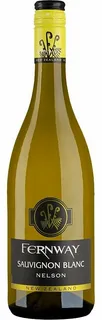
Not every Sauvignon Blanc tastes the same.
Winemakers can influence the final wine through harvesting decisions, fermentation temperatures, yeast selection, aging methods, and blending.
Unoaked Sauvignon Blanc
Unoaked Sauvignon Blanc is one of the most common styles.
The wine is generally fermented and stored in stainless steel tanks or other neutral vessels.
This approach helps preserve fresh fruit aromas and natural acidity.
It is often the preferred style for people who enjoy crisp, clean white wines.
Oak-Aged Sauvignon Blanc
Some producers ferment or age Sauvignon Blanc in oak barrels.
Oak can contribute additional texture and complexity.
Depending on the production method, the wine may develop notes associated with vanilla, toast, spice, or creamy richness.
Oak-aged Sauvignon Blanc can feel broader and fuller than a straightforward stainless-steel version.
Sauvignon Blanc and Sémillon Blends
Sauvignon Blanc is frequently blended with Sémillon, especially in Bordeaux.
Sauvignon Blanc contributes aromatic freshness and acidity, while Sémillon can add body, texture, and richness.
The proportions vary depending on the wine.
Sweet Sauvignon Blanc
Although most Sauvignon Blanc is dry, the grape can also be used in sweet wines.
In Bordeaux, Sauvignon Blanc is blended with Sémillon and sometimes Muscadelle to create famous sweet wines.
These wines can feature honey, citrus, dried fruit, and concentrated sweetness.
They are produced using specialized harvesting and winemaking methods.
How Sauvignon Blanc Is Made
The production of Sauvignon Blanc involves several stages.
Each stage influences the wine’s final taste and aromatic profile.
Vineyard Management
The process begins in the vineyard.
Growers monitor vine health, fruit development, weather conditions, and grape ripeness.
Sauvignon Blanc generally performs well in moderate and relatively cool climates, although it is grown successfully in warmer regions too.
The timing of harvest is particularly important because grape ripeness influences acidity, sugar levels, and aromatic compounds.
Harvesting
Grapes may be harvested by hand or machine.
Some producers harvest during cooler hours to help preserve fruit freshness and reduce unwanted oxidation.
The harvested grapes are transported to the winery for processing.
Crushing and Pressing
The grapes are gently processed to separate the juice from the skins and solid materials.
Many white wines are produced through relatively gentle pressing.
This helps reduce the extraction of unwanted bitter or harsh compounds.
Fermentation
Fermentation converts grape sugars into alcohol through yeast activity.
Many Sauvignon Blanc producers use stainless steel tanks because they provide temperature control and help preserve aromatic freshness.
Fermentation temperature can influence the development and retention of different aroma compounds.
Aging
After fermentation, the wine may be stored in stainless steel tanks, neutral vessels, or oak barrels.
Some winemakers use lees aging to develop additional texture.
Lees are the yeast cells and other particles left after fermentation.
Depending on the technique, lees contact can contribute a fuller mouthfeel and additional complexity.
Bottling
Before bottling, the wine may undergo clarification, stabilization, and filtration.
These steps help prepare it for commercial distribution.
The finished product is then bottled, labeled, and released for sale.
Sauvignon Blanc vs. Chardonnay
Sauvignon Blanc and Chardonnay are two of the most popular white grape varieties.
Although both produce excellent wines, their general characteristics can be quite different.
| Characteristic | Sauvignon Blanc | Chardonnay |
|---|---|---|
| Acidity | Usually high | Medium to high |
| Body | Light to medium | Light to full |
| Common flavors | Citrus, herbs, tropical fruit | Apple, pear, citrus, stone fruit |
| Oak influence | Often minimal | Frequently used |
| Typical texture | Crisp and refreshing | Can be creamy or rich |
| Common styles | Fresh and aromatic | Fresh, rich, or buttery |
Sauvignon Blanc is often selected by people who enjoy crisp and aromatic white wines.
Chardonnay offers a broader range of styles, including unoaked versions and rich barrel-aged examples.
Neither variety is automatically better. The best choice depends on personal preference.
Sauvignon Blanc vs. Pinot Grigio
Pinot Grigio is another popular white wine variety.
It is often associated with light-bodied wines, citrus flavors, and refreshing acidity.
Sauvignon Blanc generally has a more pronounced aromatic character, particularly when it comes from regions such as Marlborough.
Pinot Grigio often has relatively subtle fruit aromas and a straightforward profile.
However, both grapes can produce different styles depending on the producer and region.
Best Food Pairings With Sauvignon Blanc
One of Sauvignon Blanc’s greatest strengths is its ability to complement different foods.
Its refreshing acidity and aromatic character make it particularly suitable for lighter dishes.
Lemon Herb Grilled Fish Recipe | cookAIfood
Paste cu creveți, lămâie și usturoi | TeMănânc.ro
8
1. Seafood
Sauvignon Blanc is frequently paired with seafood.
Its acidity can balance the natural richness of fish and shellfish.
Suitable dishes include:
- Grilled fish.
- Shrimp.
- Scallops.
- Crab.
- Oysters.
- Light seafood pasta.
Lemon-based sauces and fresh herbs can complement the wine’s citrus characteristics.
2. Goat Cheese
Goat cheese is a classic partner for Sauvignon Blanc, particularly wines from the Loire Valley.
The wine’s acidity can balance the creamy texture and tangy flavor of the cheese.
A simple salad containing goat cheese, fresh greens, and citrus dressing can create an appealing combination.
3. Chicken
Lightly prepared chicken dishes can work well with Sauvignon Blanc.
Grilled chicken, roasted chicken with herbs, and chicken salads are suitable options.
Heavy cream sauces may overpower lighter examples, so preparation style matters.
4. Salads
Fresh salads are another natural pairing.
Consider ingredients such as cucumber, lettuce, asparagus, green apple, and fresh herbs.
Citrus-based dressings often work particularly well.
5. Vegetarian Dishes
Sauvignon Blanc can complement many vegetable-based meals.
Good options include:
- Grilled asparagus.
- Vegetable risotto.
- Fresh green salads.
- Herb-roasted vegetables.
- Zucchini dishes.
- Light vegetable pasta.
6. Asian-Inspired Food
Some Sauvignon Blanc styles work with dishes containing ginger, herbs, citrus, and moderate spice.
The wine’s acidity can refresh the palate between bites.
However, very spicy sauces may make alcohol seem more pronounced, so a particularly high-alcohol bottle may not be the best choice.
What Temperature Should Sauvignon Blanc Be Served At?
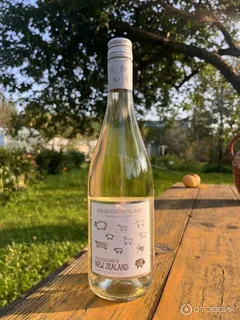
Serving temperature has a noticeable effect on how a white wine tastes and smells.
Sauvignon Blanc is generally best served chilled.
A useful starting range is approximately 7°C to 10°C for many fresh, unoaked examples.
Fuller or oak-aged versions may benefit from slightly warmer serving temperatures.
If the wine is too warm, its alcohol may become more noticeable and its refreshing character may seem less pronounced.
If it is excessively cold, some aromas may become difficult to recognize.
A practical approach is to refrigerate the bottle before serving and allow it to warm slightly in the glass.
Choosing the Right Sauvignon Blanc
Selecting a bottle can feel confusing when there are so many regions, producers, and price categories.
A few simple considerations can make the process easier.
Consider the Region
The region provides a useful indication of the style.
For example:
- Marlborough often offers expressive tropical and citrus aromas.
- Sancerre often emphasizes citrus, freshness, and mineral impressions.
- California offers both crisp and oak-influenced styles.
- Chile frequently produces refreshing wines with citrus and herbal notes.
These are general patterns rather than guarantees.
Read the Label
The label may provide information about the grape variety, origin, alcohol percentage, vintage, and producer.
Some labels also describe tasting characteristics.
Consider the Vintage
Vintage refers to the year the grapes were harvested.
For many fresh Sauvignon Blanc wines, relatively recent vintages are worth considering.
However, certain premium examples can develop additional complexity with careful aging.
Understand Your Preference
Think about the flavors you enjoy.
If you like citrus and refreshing acidity, a crisp unoaked example may be a suitable starting point.
If you prefer richer textures, consider a wine with some oak influence or lees aging.
Does Sauvignon Blanc Improve With Age?
Many Sauvignon Blanc wines are designed to be enjoyed relatively young.
Their appeal often comes from fresh fruit aromas, vibrant acidity, and lively character.
However, some premium wines can develop more complex characteristics over time.
Certain Loire Valley examples and carefully produced oak-influenced wines may evolve in the bottle.
Aging potential depends on acidity, structure, concentration, winemaking, and storage conditions.
Not every Sauvignon Blanc should be kept for several years.
For everyday bottles, enjoying them while their freshness is prominent is often the better approach.
How to Store Sauvignon Blanc
Proper storage helps maintain the quality of bottled Sauvignon Blanc.
Keep Bottles Away From Heat
Excessive heat can negatively affect wine.
Avoid leaving bottles in direct sunlight or near heating equipment.
Maintain a Stable Temperature
Large temperature changes can affect wine quality.
A cool, stable storage environment is generally preferable.
Avoid Strong Light
Direct sunlight and strong artificial light can contribute to undesirable changes in wine.
Keep bottles in a dark or shaded location.
Store Open Bottles Properly
Once opened, Sauvignon Blanc should be resealed and refrigerated.
A suitable wine stopper can help reduce air exposure.
Its freshness is generally best enjoyed within a few days, although the exact period depends on the wine and storage conditions.
Popular Sauvignon Blanc Regions and Their Flavor Profiles
The following comparison provides a simple overview of the styles associated with major producing areas.
| Region | Common flavor characteristics |
|---|---|
| Marlborough | Passion fruit, lime, grapefruit |
| Sancerre | Citrus, green apple, herbs |
| Pouilly-Fumé | Citrus, mineral, flinty impressions |
| Napa Valley | Melon, citrus, tropical fruit |
| Casablanca Valley | Lime, grapefruit, green fruit |
| Adelaide Hills | Citrus, fresh herbs, tropical fruit |
| Stellenbosch | Tropical fruit, citrus, herbal notes |
Individual wines may differ considerably from these general descriptions.
Understanding Sauvignon Blanc Aroma
The aromas of Sauvignon Blanc are an important part of its identity.
Wine aromas come from several sources, including grape variety, fermentation, aging, and bottle development.
Some aromatic compounds are naturally present in grapes, while others develop or change during fermentation.
Primary Aromas
Primary aromas are associated mainly with the grapes themselves.
These may include citrus, tropical fruit, green fruit, and herbal characteristics.
Fermentation Aromas
Yeast activity creates additional aromatic compounds during fermentation.
These can contribute fruity, floral, and other fermentation-related impressions.
Aging Aromas
Aging can influence the final aromatic profile.
Oak barrels may contribute toast, spice, and vanilla-like notes.
Bottle aging can gradually change the wine’s fruit and aromatic characteristics.
Is Sauvignon Blanc Always Dry?
No. Although most Sauvignon Blanc wines are dry, the grape can be used to make different sweetness levels.
Dry Sauvignon Blanc contains relatively little residual sugar.
Some producers make wines with a slightly off-dry profile.
In Bordeaux, Sauvignon Blanc is also used in sweet wine blends.
The sweetness depends on the grape ripeness, fermentation process, and winemaking decisions.
It is therefore important to check the wine label or producer information instead of assuming that every Sauvignon Blanc tastes identical.
Why Is Sauvignon Blanc So Popular?
Several factors have contributed to the international popularity of Sauvignon Blanc.
Recognizable Flavor
Its fresh citrus, herbal, and tropical fruit characteristics give it a recognizable personality.
Food Compatibility
It complements seafood, salads, vegetables, and several lighter dishes.
Variety of Styles
Different regions and production techniques create options for different preferences.
Wide Availability
Sauvignon Blanc is produced in numerous countries and distributed internationally.
Refreshing Character
Its acidity and fresh aromatic qualities make it particularly appealing to people who enjoy lighter white wines.
Common Mistakes When Drinking Sauvignon Blanc
Even people who regularly enjoy wine can overlook a few details that influence the experience.
Serving it too warm: Excessive warmth can make the wine seem less refreshing.
Serving it too cold: Very low temperatures can hide its aromatic characteristics.
Choosing the wrong glass: Extremely narrow or unsuitable glassware may limit the opportunity to appreciate its aromas.
Ignoring food preparation: A heavily seasoned dish may overpower a delicate wine.
Assuming every bottle tastes the same: Regional differences can be substantial.
Keeping every bottle for too long: Many Sauvignon Blanc wines are intended for relatively early consumption.
Sauvignon Blanc for Beginners
For someone new to white wine, Sauvignon Blanc can be an interesting variety to explore.
It offers clear differences in aroma and flavor without requiring an advanced understanding of wine terminology.
A beginner can start by comparing two different regional styles.
For example, a Marlborough Sauvignon Blanc and a Sancerre can demonstrate how the same grape variety produces different expressions.
Pay attention to three simple elements:
- Aroma: Notice whether the wine smells more like citrus, green fruit, herbs, or tropical fruit.
- Acidity: Observe how refreshing and lively it feels.
- Texture: Consider whether the wine feels light, smooth, or relatively full.
There is no requirement to identify every flavor correctly.
Wine appreciation is a personal experience, and individual preferences matter more than professional tasting language.
Frequently Asked Questions About Sauvignon Blanc
1. What is Sauvignon Blanc?
Sauvignon Blanc is a white grape variety originally associated with France. It is used to produce aromatic wines that commonly feature citrus, green fruit, tropical fruit, herbal notes, and refreshing acidity.
2. Is Sauvignon Blanc sweet or dry?
Most Sauvignon Blanc wines are dry. However, the grape is also used to produce off-dry and sweet wines.
3. What does Sauvignon Blanc taste like?
Common flavors include lemon, lime, grapefruit, green apple, gooseberry, passion fruit, and fresh herbs. The exact flavor depends on the region and production method.
4. Is Sauvignon Blanc a white wine?
Yes. Sauvignon Blanc is primarily used to produce white wine.
5. Where does Sauvignon Blanc come from?
Sauvignon Blanc originated in France, with important historical connections to the Loire Valley and Bordeaux.
6. Which country produces the best Sauvignon Blanc?
There is no universally accepted winner. France and New Zealand are particularly famous, while Chile, the United States, South Africa, and Australia also produce excellent examples.
7. What food goes well with Sauvignon Blanc?
Seafood, goat cheese, grilled chicken, salads, asparagus, and light vegetable dishes are popular pairing choices.
8. Should Sauvignon Blanc be refrigerated?
Yes. It is generally served chilled. Refrigeration before serving helps maintain its refreshing character.
9. What is the ideal serving temperature?
Many fresh Sauvignon Blanc wines are best served around 7°C to 10°C. Fuller styles may benefit from slightly warmer temperatures.
10. Is Sauvignon Blanc similar to Chardonnay?
Both are white grape varieties, but their typical styles differ. Sauvignon Blanc is commonly crisp and aromatic, while Chardonnay can range from fresh and light to rich and creamy.
11. What is Marlborough Sauvignon Blanc?
It is Sauvignon Blanc produced in the Marlborough region of New Zealand. It is widely recognized for expressive tropical fruit, citrus, and herbal aromas.
12. What is Sancerre Sauvignon Blanc?
Sancerre is a French wine appellation in the Loire Valley that produces internationally recognized Sauvignon Blanc wines.
13. Can Sauvignon Blanc be aged?
Some premium examples can age successfully, but many everyday bottles are intended to be enjoyed relatively young.
14. What is Fumé Blanc?
Fumé Blanc is a name used by some American wineries for Sauvignon Blanc. It is especially associated with the history of Sauvignon Blanc production in California.
15. Does Sauvignon Blanc contain alcohol?
Yes. It is an alcoholic beverage, and the alcohol percentage varies by bottle.
16. What makes Sauvignon Blanc different from Pinot Grigio?
Sauvignon Blanc generally has more pronounced herbal and aromatic characteristics, while Pinot Grigio often offers a lighter and more subtle flavor profile.
17. Can Sauvignon Blanc be used in cooking?
Some people use dry Sauvignon Blanc in cooking, particularly in selected seafood sauces and other recipes. However, the suitability depends on the recipe and the desired flavor.
18. Why does Sauvignon Blanc sometimes smell like grass?
Certain aromatic compounds associated with the grape variety can create fresh green and herbal impressions. These characteristics are part of its recognizable aromatic profile.
19. Is Sauvignon Blanc good for summer?
Its refreshing acidity and crisp character make it a popular white wine choice for warm-weather meals and outdoor dining.
20. How long does Sauvignon Blanc last after opening?
When properly resealed and refrigerated, many bottles maintain acceptable quality for approximately two to three days. The actual result depends on the wine and storage conditions.
Conclusion
Sauvignon Blanc has become one of the world’s most recognizable white grape varieties because of its refreshing acidity, distinctive aromas, and impressive regional diversity.
Its journey from the vineyards of France to international wine-producing regions demonstrates how a single grape can develop different identities depending on climate, soil conditions, and winemaking decisions.
Whether it comes from Marlborough, Sancerre, California, Chile, or South Africa, Sauvignon Blanc offers an interesting combination of citrus, green fruit, tropical aromas, and herbal characteristics.
Understanding its production methods, regional differences, serving temperature, and food compatibility can make exploring this grape variety much more rewarding.
For beginners, it provides an accessible introduction to aromatic white wines. For experienced wine enthusiasts, its regional diversity and different production styles offer plenty of opportunities for discovery.
Ultimately, Sauvignon Blanc is more than just a popular white wine. It represents a grape variety with a long history, a global presence, and a remarkable ability to express the character of different wine-growing regions.













Leave a Reply