
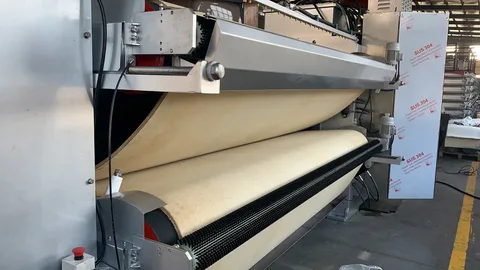
Sammying is a process used in leather manufacturing to remove excess water from wet leather hides after tanning. It plays an important role in preparing leather for the next stages of production. By reducing moisture and making the leather easier to handle, sammying helps manufacturers achieve better results during leather processing.
The process is commonly performed using specialized machinery that applies pressure to leather surfaces. This helps extract water while maintaining the leather’s structure and quality.
1. Removing Excess Water from Leather
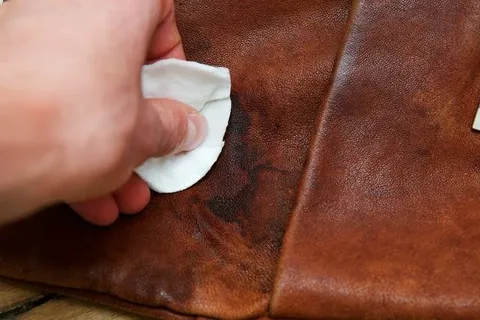
One of the main uses of sammying is removing excess water from wet leather. After tanning, leather contains a significant amount of moisture that needs to be reduced before further processing.
Sammying machines use rollers and pressure to squeeze out unwanted water. This makes the leather less wet and easier to manage during manufacturing.
2. Preparing Leather for Splitting
Sammying is also useful before the leather-splitting process. When leather contains too much water, handling it and controlling its thickness can become difficult.
By reducing moisture, sammying helps prepare leather for splitting machines. This allows manufacturers to work with the material more efficiently and achieve more consistent thickness.
3. Improving Leather Handling
Wet leather can be heavy, slippery, and difficult to move from one production stage to another. Sammying makes leather easier to handle by removing a considerable amount of excess moisture.
This is particularly useful in large leather factories where workers need to move and process hundreds of hides daily.
4. Supporting Consistent Leather Quality
Another important application of sammying is supporting consistent leather quality. Proper moisture removal helps create more suitable conditions for subsequent manufacturing operations.
When the process is correctly controlled, manufacturers can prepare leather more evenly for additional treatments. However, the final quality also depends on tanning methods, machinery settings, and the type of leather being processed.
5. Preparing Leather for Dyeing and Finishing
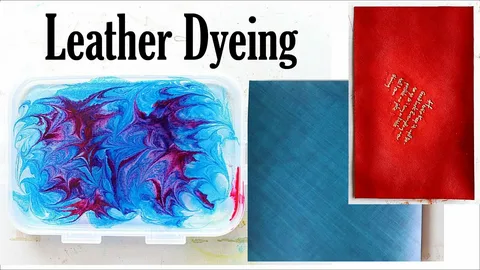
Sammying helps prepare leather for later processing stages, including dyeing and finishing. Reducing excess water makes it easier to control the conditions required for these operations.
After sammying, leather can move through additional treatments that improve its appearance, texture, and usability.
6. Reducing Drying Requirements
Removing water mechanically before drying can reduce the amount of moisture that needs to be removed through later drying operations.
This can help leather manufacturers improve production efficiency and manage energy consumption. The actual savings depend on the equipment, leather type, and overall production process.
7. Supporting Industrial Leather Production
Sammying is particularly valuable in commercial leather manufacturing because it helps factories process large quantities of leather efficiently.
Modern sammying machines are designed to handle different leather sizes and production requirements. Their use helps manufacturers maintain a more organized workflow while reducing the manual effort required to remove water.
8. Improving Production Efficiency
Time and efficiency are important factors in leather manufacturing. Sammying helps speed up production by preparing wet leather for the next manufacturing stages.
Instead of relying entirely on manual water removal, factories can use specialized machinery to complete the process more quickly and consistently.
Frequently Asked Questions

1. What is the main use of sammying?
The main purpose of sammying is to remove excess water from wet leather after tanning.
2. Where is sammying used?
Sammying is mainly used in leather tanneries and industrial leather manufacturing facilities.
3. Does sammying improve leather quality?
It helps prepare leather for further processing and supports consistent manufacturing, although final quality depends on several factors.
4. Is special machinery required for sammying?
Yes. Industrial sammying generally uses specialized machines equipped with rollers that apply pressure to remove excess water.
5. Why is sammying important in leather production?
It reduces moisture, makes leather easier to handle, and prepares it for processes such as splitting, dyeing, and finishing.
Conclusion

Sammying is an important step in modern leather manufacturing. Its primary purpose is to remove excess water, but it also supports several other production activities. From preparing leather for splitting to improving handling and reducing drying requirements, this process helps manufacturers maintain an efficient workflow. Proper sammying makes the transition between tanning and subsequent leather-processing stages easier and more manageable.













Leave a Reply