

Introduction

Seafood has long been recognized as one of the healthiest sources of protein, offering a rich combination of essential nutrients, vitamins, and minerals. Among the many species enjoyed around the world, Alaskan Seiti, commonly known as Alaska Pollock, has become one of the most widely consumed white fish due to its mild flavor, versatility, affordability, and nutritional value. It is an important part of commercial fisheries and is frequently used in a variety of frozen seafood products, fish fillets, fish sticks, sandwiches, and prepared meals.
Alaskan Seiti is appreciated not only for its delicate taste but also for its impressive nutritional profile. It is naturally low in fat and calories while providing high-quality protein, omega-3 fatty acids, vitamin B12, selenium, phosphorus, and several other essential nutrients that contribute to overall health. Because of its sustainable management and abundant population, it is also considered one of the most environmentally responsible seafood choices available.
This comprehensive guide explores everything you need to know about Alaskan Seiti, including its characteristics, nutritional benefits, culinary uses, sustainable harvesting practices, storage recommendations, and why it continues to be one of the world’s most popular seafood options.
What Is Alaskan Seiti?
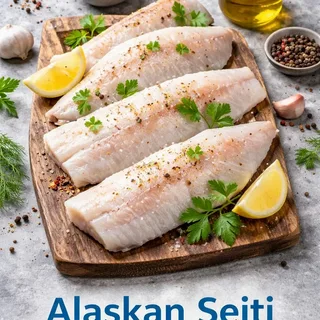
Alaskan Seiti refers to Alaska Pollock, a species of white fish scientifically known as Gadus chalcogrammus. It belongs to the cod family and is found primarily in the cold waters of the North Pacific Ocean, particularly around Alaska and the Bering Sea.
The fish is recognized for its lean white flesh, mild flavor, and flaky texture, making it suitable for a wide variety of recipes. Due to its neutral taste, it absorbs herbs, spices, marinades, and sauces exceptionally well, making it a favorite among both professional chefs and home cooks.
Alaskan Seiti is widely used in frozen seafood products, fish burgers, surimi (imitation crab), fish tacos, and baked or grilled seafood dishes.
Nutritional Profile
Alaskan Seiti is considered one of the healthiest white fish available. It provides numerous nutrients while remaining relatively low in calories.
A typical serving contains:
- High-quality lean protein.
- Omega-3 fatty acids.
- Vitamin B12.
- Vitamin D.
- Selenium.
- Phosphorus.
- Potassium.
- Niacin (Vitamin B3).
- Magnesium.
- Iodine.
This combination of nutrients supports overall wellness while fitting easily into many healthy eating plans.
Health Benefits of Alaskan Seiti
Including Alaskan Seiti in a balanced diet offers several important health benefits.
Rich Source of Lean Protein
Protein is essential for muscles, tissue, enzymes,and the immune system. Alaskan Seiti provides complete protein with all essential amino acids.
Supports Heart Health
Omega-3 fatty acids contribute to normal cardiovascular function by supporting healthy cholesterol levels and reducing inflammation as part of a balanced diet.
Promotes Brain Function
Healthy fats found in fish help support cognitive performance, memory, and overall brain health throughout life.
Strengthens Bones
Vitamin D and phosphorus work together to support strong bones and healthy teeth while improving calcium absorption.
Supports Thyroid Function
The iodine naturally present in Alaskan Seiti contributes to the normal production of thyroid hormones, which regulate metabolism and energy production.
Culinary Uses

One of the greatest advantages of Alaskan Seiti is its versatility in the kitchen.
Popular preparation methods include:
Baked Fillets
Seasoned fillets baked with herbs, lemon, and olive oil create a healthy and flavorful meal.
Grilled Fish
Grilling enhances the fish’s delicate flavor while producing a light, flaky texture.
Fish Tacos
Alaskan Seiti pairs well with fresh vegetables, salsa, avocado, and citrus sauces in soft tortillas.
Fish and Chips
Its firm texture makes it a popular choice for battered and fried seafood dishes.
Seafood Soups
The mild flavor blends well into chowders, stews, and seafood soups without overpowering other ingredients.
Sustainable Fishing Practices
One reason Alaskan Seiti is widely recommended is the responsible management of its fisheries.
Sustainable practices include:
- Science-based catch limits.
- Continuous population monitoring.
- Protection of marine ecosystems.
- Responsible harvesting techniques.
- International fisheries management.
These measures help maintain healthy fish populations while preserving ocean biodiversity for future generations.
Consumers can further support sustainability by choosing seafood certified through recognized environmental certification programs.
Choosing Quality Alaskan Seiti

When purchasing fresh fish, consider the following characteristics:
- Bright white flesh.
- Fresh ocean aroma.
- Firm texture.
- Moist appearance.
- Proper refrigeration.
For frozen products:
- Ensure packaging is intact.
- Check expiration dates.
- Avoid excessive ice crystals.
- Select products stored at appropriate temperatures.
High-quality seafood provides better flavor, texture, and nutritional value.
Storage and Food Safety

Proper storage preserves freshness and prevents spoilage.
Fresh Alaskan Seiti should be refrigerated immediately and consumed within one to two days unless frozen.
Frozen products should remain frozen until ready for preparation and should be thawed safely in the refrigerator rather than at room temperature.
Cooked fish should be refrigerated promptly and consumed within several days for optimal quality.
Alaskan Seiti in Healthy Diets
Because of its high protein content and relatively low fat levels, Alaskan Seiti fits into many nutritional lifestyles.
It is commonly included in:
- Mediterranean diets.
- High-protein meal plans.
- Low-calorie diets.
- Weight management programs.
- Family-friendly meal planning.
- Heart-conscious eating plans.
Pairing fish with vegetables, whole grains, and healthy fats creates balanced meals suitable for regular consumption.
SEO Value of the Keyword “Alaskan Seiti”
From an SEO perspective, Alaskan Seiti is a niche keyword with growing relevance among users searching for seafood information, healthy recipes, nutritional guidance, and sustainable fishing practices. Publishing comprehensive and informative content around this keyword can attract readers interested in cooking, nutrition, and environmentally responsible seafood choices.
Effective SEO strategies include:
- Writing in-depth educational guides.
- Sharing healthy recipes.
- Explaining nutritional benefits.
- Comparing different white fish species.
- Answering frequently asked consumer questions.
- Updating content regularly with accurate information.
Original, user-focused content is more likely to perform well in search engine rankings.
The Future of Sustainable Seafood
As awareness of healthy eating and environmental conservation continues to grow, sustainably harvested seafood is expected to play an increasingly important role in global food systems. Advances in fisheries management, traceability technology, and responsible harvesting practices are helping ensure that future generations can continue enjoying nutritious seafood while protecting marine ecosystems.
Alaskan Seiti remains one of the world’s leading examples of how sustainable fisheries can successfully balance commercial demand with long-term environmental stewardship.
Conclusion
Alaskan Seiti is a highly nutritious, versatile, and sustainably managed white fish that has earned its place among the world’s most popular seafood choices. Rich in lean protein, omega-3 fatty acids, vitamins, and essential minerals, it supports heart health, brain function, bone strength, and overall wellness while fitting into a wide range of healthy diets.
Whether prepared as baked fillets, grilled seafood, fish tacos, soups, or family meals, Alaskan Seiti offers a delicious and practical option for everyday cooking. By choosing responsibly sourced products and following proper storage and preparation practices, consumers can enjoy its many health benefits while supporting the long-term sustainability of marine resources.












Leave a Reply