
Introduction
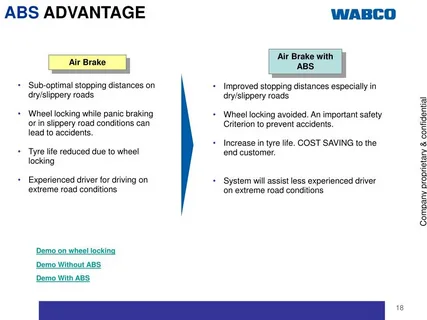
Vehicle safety technology has improved significantly over the years. Modern cars are equipped with electronic systems that help drivers maintain control, respond to difficult road conditions, and reduce the risk of accidents. One important part of this technology is the Anti-lock Braking System, commonly known as ABS.
The term ABS Testauslösung comes from German and can be translated as ABS test activation or ABS test triggering. It is associated with the process of initiating or activating an ABS test to examine how the braking system responds. The exact meaning depends on the vehicle, diagnostic equipment, and technical situation.
For everyday drivers, this term may sound complicated. However, understanding its basic meaning is useful when reading automotive service reports, exploring diagnostic software, or discussing brake-system problems with a mechanic.
ABS testing is not limited to finding faults. It can also help technicians check electronic components, examine hydraulic functions, and verify repairs after maintenance.
This guide explains ABS Testauslösung in straightforward language, including how ABS works, why testing matters, which components are involved, and what drivers should know about possible warning signs.
What Is ABS Testauslösung?
ABS Testauslösung refers broadly to the triggering or activation of an ABS-related test. In an automotive workshop, this may involve using diagnostic equipment to communicate with the ABS control module and check selected system functions.
The expression has three main parts:
- ABS: Anti-lock Braking System, which helps prevent wheels from locking during hard braking.
- Test: An examination used to evaluate the condition or operation of a component.
- Auslösung: A German word meaning triggering, activation, or initiation.
Together, these words describe the activation of a test related to the anti-lock braking system.
It is important to understand that ABS Testauslösung does not necessarily refer to one universal procedure. Different vehicle manufacturers and diagnostic tools use different names and testing methods.
For example, a workshop may perform an automatic system check, an electronic actuator test, or a manufacturer-specific diagnostic procedure. These processes have different purposes, even though they are connected to ABS operation.
Is ABS Testauslösung a Normal Process?
It can be completely normal, depending on the context.
Many modern vehicles perform an automatic ABS self-check after the ignition is switched on. Some systems also carry out additional checks when the vehicle begins moving.
A technician may also intentionally activate certain ABS functions during a repair or diagnostic procedure.
However, if the term appears alongside an ABS warning light, stored fault code, or unusual braking behavior, further investigation may be necessary.
Understanding the Anti-lock Braking System
Before looking more closely at ABS testing, it helps to understand what the braking system actually does.
When a driver presses the brake pedal, the braking system applies pressure to the wheels to slow down the vehicle. Under normal conditions, the tyres continue rotating while the vehicle loses speed.
During emergency braking, however, a wheel may slow down too quickly and become locked. A locked wheel can slide across the road instead of maintaining normal contact through a rolling tyre.
This can make steering more difficult.
The Anti-lock Braking System helps reduce this risk by adjusting brake pressure automatically when it detects that a wheel is approaching lock-up.
ABS: Why consumers are reluctant in purchasing cars produced before new safety norms?, ETAuto
Volkswagen VW Golf Mk7 ABS Pump Hydraulic Brake Pump Control Module 3Q0907379AB
What Does ABS Mean on a Car? – DDPAI
7
How ABS Controls Brake Pressure
ABS uses information from wheel-speed sensors to monitor the rotation of individual wheels.
When the system detects that a wheel is slowing down unusually quickly, its electronic control unit evaluates the information and determines whether brake pressure should be adjusted.
The hydraulic control unit can then reduce, maintain, or increase pressure as required.
This process happens very quickly and can repeat several times during a braking event.
The driver may notice a pulsing sensation in the brake pedal or hear a buzzing sound when ABS operates during heavy braking. These sensations are generally normal during genuine ABS intervention.
Main Components Involved in ABS Testauslösung

An ABS system contains several electronic, hydraulic, and mechanical components. Each has a specific responsibility, and a problem with one part can affect the overall system.
1. Wheel Speed Sensors
Wheel-speed sensors measure how quickly individual wheels rotate.
They continuously provide information to the ABS control module. If a sensor becomes damaged, dirty, or disconnected, the system may receive incorrect information.
This can lead to warning lights or stored diagnostic codes.
2. ABS Control Module
The control module is the electronic decision-making component of the system.
It receives signals from wheel-speed sensors and processes information to determine when ABS intervention may be necessary.
It also communicates with other vehicle systems in supported models.
3. Hydraulic Control Unit
The hydraulic control unit regulates brake fluid pressure during ABS operation.
It contains valves and hydraulic passages that allow the system to adjust braking pressure at individual wheels.
Its operation is particularly important during diagnostic and actuator testing.
4. ABS Pump
The ABS pump helps manage hydraulic pressure during system operation.
A pump problem may affect the ability of the ABS system to regulate pressure correctly.
Technicians can use suitable diagnostic equipment to investigate pump-related faults.
5. Electrical Wiring and Connectors
The ABS system depends on reliable electrical connections.
Damaged wires, loose connectors, corrosion, or poor electrical supply can interrupt communication between components.
For this reason, a proper diagnosis should include electrical inspections rather than focusing only on replacing sensors.
How Does ABS Testauslösung Work?
The exact testing process depends on the vehicle manufacturer and the diagnostic equipment being used.
In a professional workshop, the technician generally begins by identifying the vehicle and connecting a compatible diagnostic tool.
The following stages describe a typical diagnostic approach rather than a universal procedure.
Step 1: Initial Vehicle Inspection
The technician checks the dashboard warning lights and asks about any braking problems noticed by the driver.
The vehicle’s service history may also be reviewed, especially if recent work has been carried out on the brakes, wheel bearings, or suspension.
Step 2: Connecting Diagnostic Equipment
A compatible scanner is connected through the vehicle’s diagnostic interface.
The technician selects the correct vehicle and communicates with the ABS control module.
Different manufacturers use different diagnostic platforms and software.
Step 3: Reading Stored Fault Codes
The diagnostic equipment checks whether the control module has recorded any errors.
These codes may point toward a wheel-speed sensor, electrical circuit, hydraulic component, or communication problem.
A fault code is a starting point for investigation, not automatic proof that a particular component must be replaced.
Step 4: Checking Live Data
If supported, the diagnostic tool can display information from the wheel-speed sensors and other monitored components.
Comparing sensor readings can help identify unusual values or signals that disappear intermittently.
Step 5: Performing an Approved Function Test
Where the vehicle supports it, a technician may activate selected ABS components through a diagnostic function.
This may involve checking the pump or operating particular hydraulic valves.
The procedure must follow manufacturer instructions because incorrect activation can affect brake pressure or create safety risks.
Step 6: Reviewing the Results
After the required tests, the technician examines the results and determines whether additional repairs are needed.
If a fault has been repaired, the system is checked again according to the manufacturer’s service procedure.
Step 7: Final Verification
The final stage confirms that the warning lights behave correctly and that the original problem has been addressed.
Any required brake bleeding, calibration, or controlled testing must be completed before the vehicle returns to service.
Why Is ABS Testing Important?
Regular ABS testing helps confirm that an important vehicle safety system is operating as intended. Although drivers may not notice ABS during everyday journeys, the system can become especially important during sudden braking.
There are several reasons why technicians perform ABS inspections and diagnostic tests.
Early Detection of Technical Problems
Some ABS problems do not produce obvious symptoms immediately. A damaged sensor or electrical connection may create an intermittent fault that is difficult to identify through a simple visual inspection.
Diagnostic testing helps technicians find these problems before they become more serious.
Checking the Hydraulic System
The hydraulic unit plays an important role in controlling brake pressure. Testing supported components can help technicians identify problems involving the pump, valves, or related circuits.
Confirming Successful Repairs
After replacing an ABS sensor or repairing wiring, technicians need to confirm that the system is working correctly.
A follow-up diagnostic check can help establish whether the original fault has disappeared.
Supporting Vehicle Safety
ABS helps drivers maintain steering control during hard braking. Regular inspections help ensure that the system remains available when needed.
Preventing Unnecessary Repairs
Proper diagnosis can also save money. Instead of replacing several components without understanding the problem, a technician can investigate the actual cause.
Common Reasons for ABS Testauslösung
ABS testing may be initiated for different reasons. Some are part of normal vehicle operation, while others are connected to maintenance or troubleshooting.
Automatic System Self-Checks
Many vehicles perform automatic ABS checks when the ignition is switched on.
The ABS warning indicator may illuminate briefly while the system completes its initial checks. It normally switches off when the system does not detect a relevant fault.
Some vehicles perform additional checks after starting to move.
Brake System Repairs
ABS testing may be required after certain brake repairs.
For example, replacing hydraulic components or working on an ABS control unit may require additional diagnostic procedures.
Brake Bleeding
When air enters the hydraulic braking system, it can affect brake pedal feel and braking performance.
Some vehicles require a manufacturer-specific ABS bleeding procedure to remove trapped air from internal hydraulic passages.
A diagnostic tool may be needed to activate particular valves or the pump during this process.
Wheel Speed Sensor Problems
A damaged or incorrectly installed sensor can produce unreliable wheel-speed information.
Testing helps determine whether the problem comes from the sensor itself, its wiring, its mounting position, or another related component.
Electronic Control Unit Problems
The ABS control unit communicates with other electronic systems in the vehicle.
Communication problems, internal faults, or electrical supply issues may require a more detailed diagnostic examination.
Common Signs That Your ABS System Needs Inspection

Drivers should pay attention to changes in dashboard indicators and braking behavior.
ABS warning light: What it means and 5 common causes – Trodo.com
Czy ABS skraca drogę hamowania – TEST – Magazyn auto
8
The following signs may indicate that an ABS inspection is necessary.
1. ABS Warning Light Stays On
The ABS warning light usually appears briefly during the ignition check.
If it remains illuminated after the vehicle starts, the system may have detected a fault.
A professional diagnostic inspection can help identify the reason.
2. Unexpected ABS Activation
If the ABS seems to activate during gentle braking on a normal road, the vehicle should be inspected.
Possible causes include incorrect wheel-speed readings, sensor contamination, damaged wiring, or problems with sensor mounting.
3. Unusual Brake Pedal Feedback
A pulsing brake pedal can be normal when ABS is actively preventing wheel lock during hard braking.
However, unexpected pedal vibration during ordinary braking should not be ignored.
It may be related to ABS, brake discs, or another braking component.
4. Other Dashboard Warning Lights
Some vehicles connect ABS with traction control and electronic stability systems.
A fault in one part of the system may cause several warning indicators to appear together.
5. Diagnostic Trouble Codes
A compatible scanner may reveal stored ABS-related error codes.
These codes provide useful information about the affected circuit or component and help guide further inspection.
Common ABS Problems and Their Possible Causes
| Problem | Possible explanation |
|---|---|
| ABS warning light remains on | Electronic or sensor fault |
| Incorrect wheel-speed readings | Damaged or contaminated sensor |
| ABS activates unexpectedly | Incorrect sensor signal or installation issue |
| Hydraulic pump error | Pump, wiring, or power supply problem |
| Communication failure | Electrical connection or module issue |
| Brake pedal feels abnormal | Possible hydraulic or mechanical fault |
These are general possibilities rather than definite diagnoses. A qualified technician should investigate the vehicle before recommending repairs.
ABS Testing Tools Used by Automotive Technicians
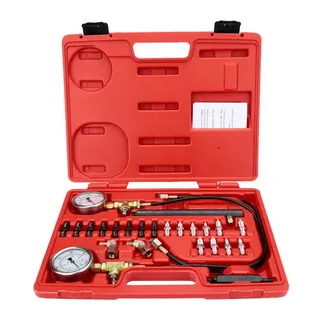
Professional ABS diagnosis requires suitable tools. The equipment depends on the vehicle, the type of fault, and the testing procedure.
Automotive Diagnostic Scanner
Innova 5160RS FixAssist OBD2 Pro Diagnostic Scan Tool | Canadian Tire
An automotive diagnostic scanner communicates with the vehicle’s electronic control units.
Depending on its capabilities, it can read fault codes, display live sensor data, and perform supported component tests.
Basic code readers may not support advanced ABS functions.
Digital Multimeter
A digital multimeter helps technicians examine electrical circuits.
It can be used to check voltage, resistance, and continuity when investigating wiring or electrical supply problems.
Manufacturer-Specific Diagnostic Software
Some vehicles require specialized software for advanced testing and servicing.
For example, different diagnostic platforms are used across Volkswagen, BMW, Mercedes-Benz, Toyota, and other manufacturers.
The available functions vary by vehicle model and software version.
Brake Pressure Testing Equipment
Professional workshops may use suitable pressure-testing equipment when investigating hydraulic braking problems.
This helps technicians examine whether the braking system is operating within the manufacturer’s specifications.
ABS Testauslösung in Different Types of Vehicles

ABS technology is used in different categories of vehicles. Although the basic purpose remains similar, the system design and testing requirements can vary.
Passenger Cars
Most modern passenger cars use electronically controlled ABS systems.
The system monitors individual wheel speeds and adjusts braking pressure when necessary.
Regular inspection is particularly important for vehicles that travel frequently in heavy traffic or challenging weather conditions.
Motorcycles
Motorcycle ABS is designed to help prevent wheel lock during braking.
Depending on the model, the system may use different control strategies for the front and rear wheels.
Motorcycle ABS diagnostics require equipment and procedures suitable for the specific bike.
Commercial Vehicles
Trucks and buses may use more complex electronic braking systems.
These systems can include additional sensors, electronic control units, and connections with other vehicle safety features.
Because commercial vehicles often carry heavy loads, maintaining the braking system is particularly important.
Electric and Hybrid Vehicles
Electric and hybrid vehicles also use ABS technology.
Their braking systems may work alongside regenerative braking, which uses the electric motor to recover energy during deceleration.
This makes correct electronic communication and system calibration important during certain repairs.
The Difference Between ABS Self-Test and ABS Testauslösung
These expressions are related, but they do not always describe the same process.
| Feature | ABS self-test | ABS Testauslösung |
|---|---|---|
| Purpose | Automatic system checking | Triggering an ABS-related test |
| Initiation | Usually automatic | Automatic or diagnostic, depending on context |
| Equipment | Built into the vehicle | May involve diagnostic equipment |
| Main use | Initial system checks | Testing or activating selected functions |
| Performed by | Vehicle electronics | Vehicle electronics or qualified technician |
An automatic self-test is part of the vehicle’s normal electronic operation. A diagnostic test may involve additional procedures that are not performed during everyday driving.
Understanding this distinction helps avoid confusion when reading automotive diagnostic reports.
How to Maintain an ABS System Properly
ABS maintenance is closely connected to general brake maintenance. Drivers should not wait for a warning light before paying attention to the condition of the braking system.
Here are some practical maintenance recommendations.
Check brake fluid regularly. Follow the manufacturer’s instructions for checking the fluid level and replacing brake fluid.
Inspect wheel sensors. Damaged sensor wiring and contaminated sensor areas can affect system performance.
Use suitable tyres. Tyres should meet the vehicle manufacturer’s specifications and maintain the recommended pressure.
Pay attention to warning lights. An ABS warning light that stays on should be investigated.
Follow the service schedule. Regular inspections can help identify problems before they affect normal operation.
Choose qualified technicians. ABS components should be tested and repaired using appropriate equipment and manufacturer-approved procedures.
Check the electrical system. Battery and charging-system problems can sometimes affect electronic vehicle components.
Is It Safe to Drive When the ABS Warning Light Is On?
This is an important question for vehicle owners.
When the ABS warning light remains illuminated, the anti-lock function may be unavailable. However, conventional braking may continue to operate, depending on the nature of the fault.
This does not mean the vehicle is operating with its full safety protection.
Drivers should arrange an inspection as soon as possible and avoid unnecessary journeys until the problem has been assessed.
If the red brake warning light also appears, the brake pedal feels unusually soft or hard, braking performance changes, or brake fluid is leaking, stop driving when safe and arrange professional assistance.
Never assume that the absence of an obvious braking problem means the ABS is functioning correctly.
Common Misunderstandings About ABS Testauslösung
There are several misconceptions about ABS technology that can create confusion.
ABS Always Makes a Vehicle Stop Faster
This is not true in every situation.
ABS is mainly designed to help prevent wheel lock and preserve steering control during heavy braking. Stopping distances depend on road conditions, tyre quality, speed, and vehicle design.
An ABS Warning Light Means the Entire Brake System Has Failed
Not necessarily.
An ABS fault does not automatically mean conventional braking has stopped working. However, the anti-lock function may be disabled, and the vehicle needs professional inspection.
Every ABS Test Uses the Same Procedure
Different manufacturers use different diagnostic systems and testing sequences.
A procedure suitable for one vehicle may not be appropriate for another.
Replacing the Sensor Always Fixes the Problem
A warning code related to a wheel-speed sensor does not automatically prove that the sensor is defective.
The wiring, connector, sensor mounting, and related components should also be checked.
Drivers Should Test ABS on Public Roads
Drivers should never attempt uncontrolled emergency braking just to see whether ABS works.
Testing should follow appropriate safety procedures and should be performed by qualified technicians when specialized diagnosis is required.
The Future of ABS Technology
Vehicle safety systems continue to develop as manufacturers introduce more advanced electronic features.
ABS is now closely connected with several other technologies that help improve vehicle control.
Electronic Stability Control
Electronic Stability Control, or ESC, uses information from sensors to help reduce the risk of skidding.
It can apply braking force selectively to help the driver maintain the intended direction.
Traction Control
Traction control helps reduce excessive wheel spin during acceleration.
It may use components and sensors shared with the ABS system.
Advanced Driver Assistance Systems
Modern vehicles increasingly combine braking technology with features such as automatic emergency braking and collision warning systems.
These technologies rely on accurate information from multiple vehicle sensors.
Improved Electronic Diagnostics
Diagnostic systems are becoming more advanced, making it easier for technicians to access vehicle information and identify electronic faults.
As vehicles become more software-dependent, accurate testing and correct repair procedures will remain essential.
Frequently Asked Questions About ABS Testauslösung

1. What does ABS Testauslösung mean?
ABS Testauslösung is a German expression that broadly means ABS test activation or triggering. In automotive contexts, it can refer to initiating a diagnostic or functional test of the anti-lock braking system.
2. Is ABS Testauslösung the same as an ABS self-test?
Not necessarily. An ABS self-test is an automatic check performed by the vehicle. ABS Testauslösung can describe a wider range of test-related activation procedures.
3. Why does the ABS warning light turn on?
The light normally illuminates briefly when the ignition is switched on. If it stays on, the vehicle may have detected an ABS-related fault.
4. Can ABS testing be performed with an OBD scanner?
Yes, provided the scanner supports the vehicle’s ABS system. Some diagnostic tools can read fault codes, display live data, and perform selected component tests.
5. Does ABS testing require a mechanic?
Basic dashboard checks happen automatically, but advanced testing and repairs should be handled by qualified technicians with suitable diagnostic equipment.
6. Can a faulty wheel-speed sensor affect ABS operation?
Yes. Incorrect sensor signals can prevent the ABS control module from accurately monitoring wheel movement.
7. Is ABS important in rainy weather?
Yes. Wet roads can reduce tyre grip, increasing the possibility of wheel lock during heavy braking. ABS can help drivers maintain steering control, although it cannot eliminate the risks associated with slippery roads.
8. Does ABS work on motorcycles?
Yes. Many modern motorcycles are equipped with ABS, although system design and testing procedures differ from those used in passenger cars.
9. Can low battery voltage cause ABS problems?
It can. Some ABS faults are related to insufficient electrical supply, weak batteries, or charging-system problems. Proper diagnosis is necessary to identify the actual cause.
10. How often should an ABS system be inspected?
Follow the vehicle manufacturer’s maintenance recommendations. An additional inspection is advisable if the ABS warning light stays on or unusual braking behavior occurs.
Conclusion

ABS Testauslösung is a useful term for understanding how the anti-lock braking system can be activated or tested during vehicle diagnostics and maintenance. Although the exact meaning depends on the technical context, it is connected to checking the operation of an important vehicle safety feature.
Modern ABS systems depend on several components working together, including wheel-speed sensors, electronic control modules, hydraulic valves, pumps, and electrical connections. A problem with even one component can affect the system’s performance.
Regular inspections, accurate diagnostic testing, and timely repairs help maintain reliable braking operation. Vehicle owners should also understand the meaning of dashboard warning lights and avoid ignoring unusual braking behavior.
Ultimately, ABS is designed to help drivers maintain control during difficult braking situations. Understanding ABS Testauslösung makes it easier to appreciate the technology behind this safety feature and the importance of keeping it in good working condition.
Technical reference: ZF Aftermarket explains that ABS diagnosis involves reading fault codes and checking related wiring and connectors before replacing components. ZF Aftermarket+1













Leave a Reply