
Introduction
Fire is a natural phenomenon that has played an important role in human life for thousands of years. People use fire for cooking, heating, manufacturing, transportation, and many other everyday activities. However, when fire develops without control, it can become extremely dangerous. It can destroy homes, damage businesses, damage the environment, and put human lives at risk.
Understanding the different types of fire is one of the most important parts of fire safety. Not every fire behaves in the same way. A fire involving burning wood is different from one involving petrol, electrical equipment, cooking oil, or combustible metals. Each situation has its own risks and requires an appropriate safety response.
The keyword Types of Fire generally refers to the different classifications of fire based on the material that is burning. These classifications help firefighters, safety professionals, building managers, and ordinary people understand potential fire hazards.
In many countries, fires are classified into five major groups: Class A, Class B, Class C, Class D, and Class K. However, classification systems differ between countries. For example, some European and British systems classify flammable gases as Class C and cooking oils as Class F.
Knowing these differences is useful when studying fire safety or selecting fire protection equipment.
This guide explains the major types of fire, their common causes, examples, characteristics, prevention methods, and the importance of choosing appropriate fire extinguishers.
What Are the Different Types of Fire?
Fire classifications are designed to identify what type of material is burning. The classification helps determine which extinguishing agent is suitable and what precautions are necessary.
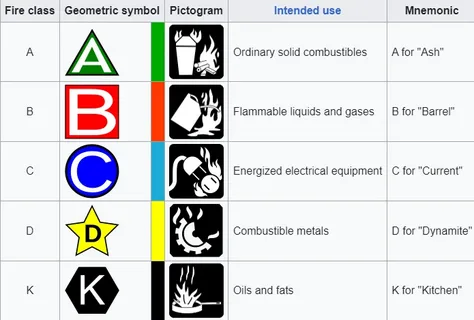
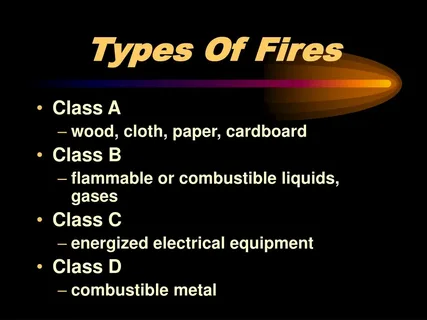
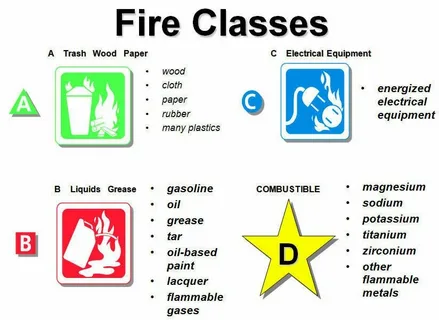
The commonly used American fire classification system includes five main categories.
- Class A Fire – Ordinary combustible materials.
- Class B Fire – Flammable and combustible liquids and certain gases.
- Class C Fire – Energized electrical equipment.
- Class D Fire – Combustible metals.
- Class K Fire – Cooking oils and fats.
These categories are particularly common in American fire safety guidance.
In the British and European classification system, the categories are different. Class C generally refers to flammable gases, while cooking oil fires are classified as Class F. Electrical hazards are treated separately rather than being given their own fire class.
Understanding which classification system is being used is important because the same letter can mean different things in different countries.
Class A Fire: Ordinary Combustible Materials
Class A fires involve ordinary solid materials that can burn and leave ash or glowing embers.
These are among the most familiar types of fires because the materials involved are commonly found in homes, offices, schools, factories, and other buildings.
Examples of Class A combustible materials include:
- Wood
- Paper
- Cardboard
- Cloth
- Furniture
- Rubber
- Certain plastics
- Household waste
- Dry leaves
A fire involving a wooden table, paper documents, cardboard boxes, or fabric furniture is generally classified as a Class A fire.
Common Causes of Class A Fires
Class A fires can start in several ways. A discarded cigarette, an unattended candle, faulty heating equipment, or an electrical problem can ignite nearby combustible materials.
In workplaces, poor housekeeping can increase fire risks. For example, storing large amounts of cardboard, paper, or packaging near electrical equipment can create additional hazards.
Outdoor Class A fires can also develop when dry vegetation comes into contact with an ignition source.
Characteristics of Class A Fires
These fires often involve visible flames and glowing materials. Some materials continue to burn internally even after the visible flames become smaller.
This is why a fire that appears to be extinguished may sometimes restart if hot material remains.
Fire Prevention
Preventing Class A fires requires good housekeeping and responsible handling of combustible materials.
People should avoid leaving candles unattended, keep combustible materials away from heat sources, and dispose of cigarettes properly.
Businesses should maintain clear storage areas and avoid unnecessary accumulation of cardboard, packaging, and waste.
Suitable Fire Extinguishers
Water extinguishers are commonly designed for Class A fires because water absorbs heat and cools burning materials.
Some foam and multipurpose dry chemical extinguishers are also approved for Class A applications.
However, water must not be used on energized electrical equipment or flammable liquid fires.
Class B Fire: Flammable Liquid Fires
Class B fires involve flammable or combustible liquids and, in the American classification system, certain flammable gases.
These fires can develop in environments where fuels, solvents, oils, paints, and other combustible substances are stored or used.
Common examples include:
- Petrol
- Diesel
- Kerosene
- Paint thinner
- Alcohol-based solvents
- Industrial solvents
- Certain oils
- Flammable gases, depending on the classification system
Petrol station fires, fuel storage incidents, and some industrial chemical fires can involve Class B materials.
Common Causes of Class B Fires
Flammable liquid fires may develop because of leaks, damaged containers, improper storage, equipment failure, or contact with an ignition source.
For example, petrol vapors can ignite when exposed to a spark or flame.
In factories, chemicals used in manufacturing and cleaning may create fire hazards if they are not stored and handled correctly.
Characteristics of Class B Fires
One important feature of flammable liquid fires is that the liquid may spread across a surface.
This can allow flames to move beyond the original ignition point.
Some flammable liquids also produce vapors that can travel away from the container before igniting.
As a result, the visible fire may not show the full extent of the hazard.
Fire Prevention
Safe storage is essential for reducing Class B fire risks.
Flammable liquids should be stored in suitable, approved containers and kept away from ignition sources.
Workplaces should provide appropriate ventilation and follow chemical handling procedures.
Employees should also understand the hazards associated with the substances they use.
Suitable Fire Extinguishers
Depending on the specific fuel and circumstances, suitable extinguishing equipment may include:
- Foam extinguishers
- Carbon dioxide extinguishers
- Dry chemical extinguishers
Water should not be used on ordinary flammable liquid fires because it can spread burning liquid and make the situation worse.
The correct equipment should always be selected according to its certification and the material involved.
Class C Fire: Electrical Fires in the American System
Class C fires involve energized electrical equipment.
They are particularly concerning because electricity introduces an additional risk of electric shock and electrocution.
Electrical fires can occur in homes, offices, factories, hospitals, commercial buildings, and industrial facilities.
Common sources include:
- Electrical wiring
- Power outlets
- Distribution boards
- Computers
- Electric motors
- Household appliances
- Industrial machinery
- Extension cords
- Electrical control panels
Common Causes of Electrical Fires
Faulty wiring is one of the major causes of electrical fires.
Damaged insulation, overloaded circuits, loose connections, and defective electrical equipment can generate excessive heat.
Poor electrical installation and the use of unsuitable extension cables may also increase the risk.
In older buildings, outdated wiring can become a safety concern when electrical demand increases.
Characteristics of Electrical Fires
Electrical fires may begin with overheating, sparks, smoke, or unusual burning smells.
Sometimes the fire starts inside a wall, electrical panel, or appliance, making it difficult to identify immediately.
An electrical fire can continue to present an electrical shock hazard until the power supply is safely disconnected.
It is also important to remember that once electrical power has been disconnected, the remaining burning materials may belong to another fire class, such as Class A or Class B.
Fire Prevention
Regular electrical inspections can reduce the likelihood of electrical fires.
Avoid overloading power outlets and replace damaged cables or electrical equipment.
Electrical installations should be handled by qualified professionals.
Businesses should also maintain electrical panels and follow appropriate equipment maintenance schedules.
Suitable Fire Extinguishers
Carbon dioxide and appropriately rated dry chemical extinguishers are commonly used for certain electrical fire hazards.
The equipment must be approved for the electrical hazard involved.
Water should never be applied to energized electrical equipment because it can create a serious electric shock risk.
Class D Fire: Combustible Metal Fires
Class D fires involve combustible metals.
These fires are less common in ordinary homes but can be particularly dangerous in industrial facilities, laboratories, metal-processing operations, and manufacturing environments.
Examples of combustible metals include:
- Magnesium
- Titanium
- Sodium
- Potassium
- Lithium
- Zirconium
Not every metal burns easily under ordinary conditions. However, certain metals can ignite when present in particular forms, temperatures, or working environments.
Metal powders, fine particles, shavings, and dust can present special fire hazards.
Common Causes of Class D Fires
Class D fires may occur during metal processing, grinding, cutting, machining, and chemical operations.
Improper handling of reactive metals can also create serious hazards.
Some metals react with water or other substances in ways that can produce heat or flammable gases.
For this reason, combustible metal fires require specialized knowledge and carefully selected firefighting equipment.
Characteristics of Class D Fires
These fires may produce extremely high temperatures and can be difficult to control.
Some burning metals generate intense light, while others may react dangerously with conventional extinguishing materials.
The behavior depends on the specific metal and its physical form.
Fire Prevention
Industries working with combustible metals should maintain suitable handling procedures and specialized storage arrangements.
Metal dust should be managed carefully, and employees should receive training about the particular materials used in their workplace.
Safety professionals should identify potential reactions between metals, moisture, chemicals, and other substances.
Suitable Fire Extinguishers
Class D fires require specialized dry powder extinguishing agents designed for the particular combustible metal.
An ordinary water, foam, or multipurpose extinguisher may be unsuitable and could make certain metal fires more dangerous.
The correct extinguishing agent should be identified through the material’s safety documentation and specialist fire protection advice.
Class K Fire: Cooking Oil and Grease Fires
Class K fires involve cooking oils and fats used in commercial kitchens and cooking appliances.
These fires are common concerns in restaurants, hotels, catering facilities, cafeterias, and commercial food preparation areas.
Examples of materials involved include:
- Vegetable oil
- Cooking oil
- Animal fats
- Deep-fryer grease
- Commercial cooking fats
A deep-fat fryer fire is a typical example of a Class K fire in the American classification system.
In the British and European classification system, similar fires are generally identified as Class F.
Common Causes of Class K Fires
Cooking oil fires can develop when oil becomes excessively hot and ignites.
Unattended cooking equipment, faulty thermostats, poor maintenance, and accumulated grease can contribute to kitchen fire hazards.
Restaurants may face additional risks because commercial cooking equipment is used for long periods.
Characteristics of Cooking Oil Fires
Cooking oil fires can reach high temperatures and may be difficult to control.
Burning oil can splash or spread if the wrong extinguishing method is used.
This makes kitchen fire safety especially important.
Fire Prevention
Kitchen staff should follow equipment operating instructions and avoid leaving cooking appliances unattended.
Commercial kitchens should maintain cooking equipment, clean grease accumulation, and inspect ventilation systems.
Employees should also understand emergency procedures before working with commercial fryers.
Suitable Fire Extinguishers
Wet chemical extinguishers are specifically designed for many cooking oil and fat fires.
They work through cooling and chemical reactions that help create a protective layer over the burning cooking material.
Never throw water onto burning cooking oil. It can cause violent splashing and spread burning oil, making the fire significantly more dangerous.
Class C Fire in the British and European System
One important detail about the keyword types of fire is that international classification systems do not use every letter in the same way.
In the British and European system, Class C generally refers to fires involving flammable gases rather than energized electrical equipment.
Examples may include:
- Propane
- Butane
- Natural gas
- Certain industrial fuel gases
Gas-related fires can develop in industrial plants, kitchens, storage facilities, and other environments where combustible gases are used.
Common Causes
Gas fires can result from damaged pipes, faulty connections, leaking equipment, and problems with gas storage systems.
Poor maintenance and inadequate ventilation can increase the risk.
Fire Prevention
Gas equipment should be installed and maintained by qualified professionals.
Suitable detectors, ventilation, and regular inspections can help identify potential problems.
People should never ignore the smell of gas or suspected leakage.
If a gas leak is suspected, avoid operating electrical switches or creating sparks, leave the affected area, and contact the appropriate emergency service or gas provider from a safe location.
Firefighting Considerations
Gas fires require specialist assessment because extinguishing the flame without stopping the fuel supply can create an unburned gas accumulation and a possible explosion hazard.
The response should be handled by trained emergency personnel.
Understanding the Fire Triangle
To understand different types of fire, it is helpful to understand how fire develops.
The fire triangle is a basic model that explains the three essential elements needed for combustion.
These elements are:
- Heat
- Fuel
- Oxygen
Heat
Heat provides the energy needed to bring combustible materials to their ignition temperature.
Sources may include open flames, electrical sparks, hot surfaces, and friction.
Fuel
Fuel is any material capable of burning under suitable conditions.
Examples include wood, paper, petrol, cooking oil, natural gas, and certain metals.
Oxygen
Oxygen supports the chemical process of combustion.
Air normally contains enough oxygen to support many ordinary fires.
If one of the three essential elements is removed, ordinary combustion cannot continue.
The Fire Tetrahedron
Fire safety professionals also use the fire tetrahedron to explain combustion.
The tetrahedron includes four elements:
- Heat
- Fuel
- Oxygen
- Chemical chain reaction
The chemical chain reaction helps explain how combustion continues once a fire has started.
This model provides a more complete understanding of fire behavior than the traditional fire triangle.
It is particularly useful when studying modern fire suppression methods and the way certain extinguishing agents interrupt combustion.
Common Causes of Fire
Fires can start in many different situations. Some are related to human activities, while others result from equipment failure, environmental conditions, or natural events.
Electrical Problems
Faulty wiring, damaged electrical equipment, overloaded circuits, and poor installations can produce heat and sparks.
Cooking Accidents
Unattended cooking, overheated oil, and accumulated grease are common sources of kitchen fire hazards.
Smoking Materials
Improperly discarded cigarettes and other smoking materials can ignite combustible objects.
Heating Equipment
Heaters, boilers, and other heating devices can create risks when placed too close to combustible materials or used incorrectly.
Chemical Reactions
Some chemicals react with other substances and produce heat or flammable gases.
These hazards are particularly important in laboratories and industrial workplaces.
Gas Leaks
Leaking combustible gas can create a dangerous atmosphere that may ignite if an ignition source is present.
Wildfires
Wildfires can begin through lightning, accidental human activities, or other ignition sources.
Dry vegetation, strong winds, and hot weather can contribute to rapid fire spread.
Different Types of Fire Based on Their Environment
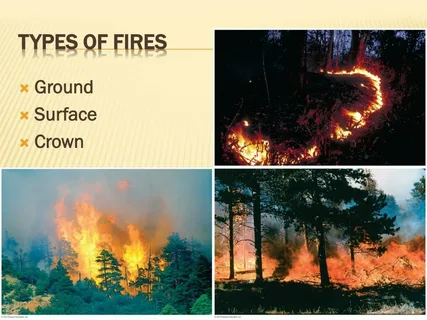
Apart from the standard fire classes, fires can also be described according to where they occur.
This type of description is useful in emergency planning and environmental studies.
1. Residential Fires
Residential fires occur in houses, apartments, and other living spaces.
Common causes include cooking accidents, electrical faults, heating equipment, and unattended candles.
These fires can be especially dangerous because sleeping occupants may not notice smoke or flames immediately.
Smoke alarms and clear escape routes are important parts of residential fire protection.
2. Commercial Fires
Commercial fires occur in offices, shopping centers, hotels, restaurants, and other business properties.
They can involve furniture, electrical equipment, kitchen appliances, packaging, and stored products.
Businesses should maintain fire detection systems and suitable emergency procedures.
3. Industrial Fires
Industrial fires occur in factories, warehouses, production facilities, and manufacturing plants.
They may involve chemicals, machinery, fuels, combustible dust, and industrial gases.
A proper workplace fire risk assessment is essential for identifying these hazards.
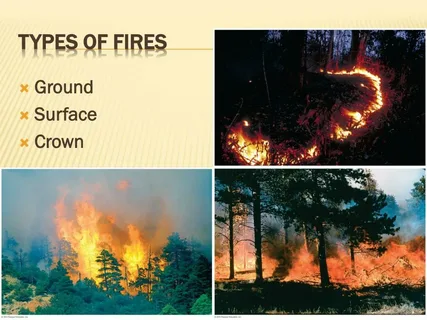
4. Forest Fires
Forest fires involve vegetation, trees, shrubs, and other natural materials.
They can spread over large areas and damage wildlife habitats, natural resources, and nearby communities.
Wind, dry vegetation, temperature, and terrain influence their behavior.
5. Vehicle Fires
Vehicle fires can occur in cars, buses, trucks, motorcycles, and other transport vehicles.
Possible causes include fuel leaks, electrical faults, damaged batteries, overheating, and mechanical failures.
If a vehicle catches fire, occupants should move away from it and contact emergency services rather than attempting a dangerous rescue.
6. Electrical Panel Fires
Electrical panel fires involve distribution boards, circuit breakers, wiring, and related equipment.
They can develop because of loose connections, overheating, equipment failure, or improper electrical installations.
These fires require particular care because the equipment may remain energized.
How to Prevent Different Types of Fire
Fire prevention is more effective than responding after a fire has already developed.
Homes, workplaces, and public buildings can reduce risks by following practical safety measures.
Install Smoke Alarms
Smoke alarms provide an early warning when smoke is detected.
They should be installed in suitable locations and tested according to the manufacturer’s instructions.
Maintain Electrical Systems
Electrical systems should be inspected when necessary by qualified professionals.
Damaged wiring and overloaded outlets should be addressed promptly.
Practice Kitchen Safety
Cooking equipment should be monitored, and combustible materials should be kept away from hot surfaces.
Grease accumulation should be removed through appropriate cleaning procedures.
Store Chemicals Correctly
Flammable liquids and chemicals should be stored according to their safety documentation and applicable regulations.
Keep Escape Routes Clear
Hallways, staircases, and emergency exits should remain unobstructed.
People should know how to leave the building safely.
Train Employees
Workplaces should provide appropriate fire safety training and explain emergency procedures.
Maintain Fire Protection Equipment
Fire extinguishers, alarms, sprinklers, and other protective systems should be inspected and maintained according to applicable standards.
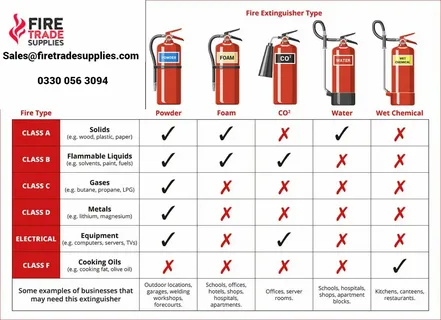
Types of Fire Extinguishers
Different fire extinguishers contain different extinguishing agents.
Choosing the wrong equipment can make a fire more dangerous.
Water Extinguishers
Water extinguishers are commonly designed for Class A fires.
They cool ordinary combustible materials and help reduce the temperature below the level needed to sustain combustion.
They should not be used on energized electrical equipment or ordinary flammable liquid fires.
Foam Extinguishers
Foam extinguishers are commonly used for certain Class A and Class B hazards, depending on their rating.
They help separate fuel from oxygen and can provide a cooling effect.
Carbon Dioxide Extinguishers
Carbon dioxide extinguishers are commonly used for certain electrical and flammable liquid fires.
They do not leave the same type of powder residue as dry chemical extinguishers.
However, they have limitations, particularly in outdoor conditions and confined spaces.
Dry Chemical Extinguishers
Dry chemical extinguishers use specialized powders to interrupt combustion.
Multipurpose ABC models are commonly used for Class A, B, and C fires under the American system.
Other dry chemical models have different ratings and intended applications.
Wet Chemical Extinguishers
Wet chemical extinguishers are commonly designed for cooking oil and fat fires.
They are particularly important in commercial kitchens.
Class D Dry Powder Extinguishers
These extinguishers contain specialized agents designed for particular combustible metal hazards.
They must be selected according to the metal involved.
How to Use a Fire Extinguisher Safely
A portable fire extinguisher may be useful during the early stages of a small fire, but personal safety must always come first.
People should only attempt to use an extinguisher if they have received suitable training, have the correct equipment, and can maintain a safe escape route.
The PASS method is a common way to remember the basic operation of many portable extinguishers.
P – Pull: Pull the safety pin.
A – Aim: Aim the nozzle toward the base of the fire.
S – Squeeze: Squeeze the operating handle.
S – Sweep: Sweep the discharge across the fire area.
The method may vary depending on the extinguisher design.
Never attempt to fight a fire that is spreading, producing heavy smoke, or involving an unknown hazardous substance.
Leave immediately if the fire cannot be controlled safely.
What Should You Do During a Fire Emergency?
A fire emergency can develop quickly, so knowing what to do beforehand is important.
Stay Calm and Raise the Alarm
Alert people nearby and activate the building’s fire alarm if it is safe to do so.
Evacuate Immediately
Use the designated emergency exits and follow the building evacuation plan.
Do not waste time collecting personal belongings.
Avoid Elevators
Use designated stairs during a building fire unless emergency personnel instruct otherwise.
Stay Low if There Is Smoke
Smoke can contain dangerous gases and reduce visibility.
If smoke is present, stay as low as possible while moving toward a safe exit.
Close Doors Behind You
Where safe to do so, closing doors while leaving can help slow the spread of smoke and fire.
Contact Emergency Services
Call the local fire and rescue service from a safe location.
In Pakistan, Rescue 1122 is an important emergency response service in areas where it operates.
Do Not Re-enter the Building
Never return to a burning building to collect belongings or search for personal items.
Wait for emergency personnel to confirm that the area is safe.
Importance of Fire Safety in Homes
Home fire safety is important because many fire incidents begin during ordinary daily activities.
A kitchen, bedroom, living room, garage, or electrical installation can become a source of fire if safety precautions are ignored.
Families should develop a basic emergency plan.
Children should understand that matches, lighters, and electrical equipment are not toys.
Adults should check smoke alarms, maintain electrical equipment, and keep emergency exits clear.
A family escape plan should also identify a safe meeting location outside the building.
Importance of Fire Safety in Workplaces
Workplaces often contain several types of fire hazards.
An office may have electrical equipment and large quantities of paper. A restaurant may contain cooking oils and gas appliances. A factory may use flammable chemicals and combustible metals.
This is why workplace fire safety should be based on the actual materials and activities present.
Employers should arrange appropriate risk assessments, employee training, fire detection systems, evacuation plans, and suitable firefighting equipment.
Fire safety responsibilities should be clearly assigned so employees understand what to do during an emergency.
Environmental Effects of Fire
Fires can cause serious environmental damage, particularly when they spread through forests, grasslands, and other natural areas.
They may destroy vegetation, damage wildlife habitats, and release smoke and harmful pollutants into the atmosphere.
Large fires can also affect soil quality and water resources.
Industrial fires may release additional hazardous substances depending on the chemicals and materials involved.
Environmental recovery can take many years, especially when large natural habitats are affected.
Preventing fires therefore protects not only people and buildings but also wildlife and natural ecosystems.
Frequently Asked Questions About Types of Fire
1. What are the five main types of fire?
In the American classification system, the five main types are Class A, Class B, Class C, Class D, and Class K.
2. What is a Class A fire?
A Class A fire involves ordinary combustible materials such as wood, paper, cardboard, cloth, and certain plastics.
3. What is a Class B fire?
A Class B fire involves flammable or combustible liquids and certain flammable gases under the American classification system.
4. What is a Class C fire?
In the American system, a Class C fire involves energized electrical equipment, such as electrical wiring, appliances, and machinery.
5. What is a Class D fire?
A Class D fire involves combustible metals such as magnesium, titanium, sodium, and potassium.
6. What is a Class K fire?
A Class K fire involves cooking oils and fats, particularly those used in commercial cooking equipment.
7. What is a Class F fire?
Class F is the classification used in the British and European system for fires involving cooking oils and fats.
8. What is the difference between Class C in America and Europe?
In the American system, Class C refers to energized electrical equipment. In the British and European system, Class C generally refers to flammable gases.
9. Which type of fire is most common in homes?
Household fires can involve several classes. Ordinary combustible materials, cooking equipment, and electrical hazards are common sources of residential fire incidents.
10. Which extinguisher is suitable for Class A fires?
Water, foam, and appropriately rated multipurpose dry chemical extinguishers can be suitable for Class A fires.
11. Can water extinguish an electrical fire?
Water should not be used on energized electrical equipment because of the risk of electric shock.
12. Why are cooking oil fires dangerous?
Cooking oil fires can reach high temperatures, and water can cause burning oil to splash and spread.
13. What causes electrical fires?
Common causes include faulty wiring, overloaded circuits, damaged cables, loose connections, and defective electrical equipment.
14. What is the fire triangle?
The fire triangle consists of heat, fuel, and oxygen. These three elements are necessary for ordinary combustion.
15. What is the fire tetrahedron?
The fire tetrahedron adds a fourth element, the chemical chain reaction, to the traditional fire triangle.
16. What is the safest way to prevent fires?
Regular inspections, proper storage, responsible use of electrical and cooking equipment, smoke alarms, and fire safety training can significantly reduce fire risks.
17. What should people do when a fire starts?
Raise the alarm, evacuate using a safe route, contact emergency services, and avoid returning to the building.
18. Are all fire extinguishers suitable for every type of fire?
No. Fire extinguishers are designed for particular hazards. Always check the equipment label and follow professional safety guidance.
19. What is an industrial fire?
An industrial fire occurs in a factory, warehouse, processing facility, or other industrial environment. It may involve chemicals, fuels, machinery, combustible dust, or metals.
20. Why is learning about types of fire important?
It helps people recognize fire hazards, understand the correct safety equipment, reduce risks, and respond more responsibly during emergencies.
Conclusion
Understanding the different types of fire is an essential part of personal, workplace, and community safety. Although all fires involve combustion, the materials that burn can behave very differently.
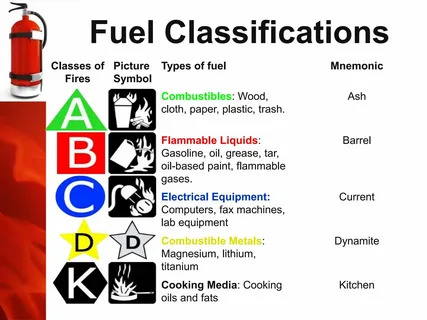
Class A fires involve ordinary combustible materials, while Class B fires involve flammable liquids and certain gases. Class C fires involve energized electrical equipment in the American system, and Class D fires involve combustible metals. Class K fires are associated with cooking oils and fats.
Other classification systems use different terminology, which makes it important to understand the local fire safety standards when selecting extinguishers or preparing emergency procedures.
Fire prevention begins with awareness. Proper electrical maintenance, safe cooking practices, responsible chemical storage, suitable firefighting equipment, and regular safety training can help reduce the likelihood of serious incidents.
Most importantly, human safety should always come before property protection. People should evacuate when a fire becomes dangerous and allow trained emergency professionals to manage the situation.
Learning about types of fire is not simply a technical subject. It is practical knowledge that can help families, businesses, workers, and communities make safer decisions every day.
Factual references:







Leave a Reply