

The word Blazertje may look unfamiliar if you have never come across Dutch fashion language before. At first glance, it sounds like the name of a new clothing brand or perhaps a special type of jacket. In reality, the basic meaning is much simpler.
Blazertje is a Dutch word connected to the familiar blazer. It is the diminutive form of blazer and can be translated roughly as “little blazer” or “small blazer.” The ending “-tje” is a common Dutch diminutive ending, and it does not always mean that something is physically tiny. Depending on the situation, a Dutch diminutive can also make a word sound softer, more informal, familiar, or friendly.
That small language detail explains why there is sometimes confusion around the word online.
Some fashion websites describe a blazertje as though it were a completely separate and officially defined jacket style. That is not quite accurate. The word itself does not establish one fixed length, fabric, colour, shape, or construction. A particular clothing item might be short, fitted, lightweight, oversized, relaxed, or structured and still be described using the word depending on the context.
So, if you have searched for “blazertje” because you saw the term on a Dutch fashion website or in a clothing description, the first thing to understand is its language origin. Once that is clear, the fashion side becomes much easier to understand.
What Does Blazertje Mean?

The simplest meaning of blazertje is “little blazer” or “small blazer.”
The word comes from the Dutch noun “blazer,” with the diminutive ending “-tje” added to it.
In simple form:
Blazer → Blazertje
Dutch uses diminutive forms frequently. These forms can communicate more than physical size. In everyday language, a diminutive can sometimes give a word a more casual, familiar, affectionate, or softer feeling.
That is why translating blazertje as “tiny blazer” would be too restrictive.
Imagine someone talking about a lightweight jacket that they wear regularly with jeans. Calling it a blazertje may sound more relaxed than using a very formal description. The exact meaning depends on the sentence and situation.
This is also why people should be careful when reading English-language articles that define blazertje as one specific fashion design.
The word itself is broader than that.
Is Blazertje a New Fashion Trend?
Not exactly.
This is one of the most important things to understand about the term.
A number of English-language articles published recently have presented blazertje as a new or emerging fashion trend. However, the word itself is a normal Dutch diminutive form of blazer rather than the name of a newly invented garment category.
There can certainly be fashion trends involving cropped, lightweight, relaxed, or less structured blazers. Those styles are real.
But that does not mean every garment described as a blazertje must have the same design.
A person searching for the word may therefore encounter two different ideas:
- The actual Dutch language meaning.
- The newer fashion interpretation used by some English-language websites.
Keeping these separate makes the subject much less confusing.
Why Does the Ending “-tje” Matter?
The ending is the key to understanding the word.
Dutch has several ways of forming diminutives. Endings such as -je, -tje, -pje, and -etje are commonly used to create diminutive forms.
In this case, blazer becomes blazertje.
For an English speaker, this can be slightly unusual because English does not use diminutive noun endings in the same systematic way.
English normally says:
“little blazer”
Dutch can express the idea directly through the noun:
“blazertje”
The result does not necessarily indicate an extremely small object.
Instead, the diminutive can influence the feeling or tone of the word.
That is why understanding Dutch grammar is more useful here than simply reading fashion blogs.
Is a Blazertje Actually Smaller Than a Blazer?
It can be, but it does not have to be.
This is where literal translation and real-world usage can differ.
Because blazertje is a diminutive of blazer, the word carries an idea of smallness or familiarity. But it does not create a universal rule saying that the garment must be cropped at the waist or shorter than every ordinary blazer.
A particular blazertje could be:
- Short
- Mid-length
- Fitted
- Relaxed
- Lightweight
- Structured
- Unstructured
- Plain
- Patterned
- Oversized
The actual garment determines the style.
If you are shopping online, the product measurements are therefore more useful than the word itself.
Look at the jacket length, shoulder width, sleeve length, chest measurement, fabric, and fit.
Those details tell you what you are actually buying.
Blazertje and the Traditional Blazer

The traditional blazer has become one of the most flexible pieces of modern clothing.
It can be worn with formal trousers, jeans, skirts, dresses, chinos, shorts, and many other items.
Historically, blazers were associated with smart or semi-formal dressing. Today, that boundary is much less strict.
People wear blazers to offices, restaurants, travel events, casual meetings, dinners, university campuses, and everyday outings.
A blazertje fits naturally into this evolution because the word can suggest a softer or more informal version of the familiar garment.
But again, there is no universal technical construction that separates every blazertje from every blazer.
The difference may be linguistic rather than structural.
Common Blazertje Styles
Although the word itself does not define one specific design, modern fashion interpretations can include several different blazer styles.
Cropped Blazertje
A cropped blazer ends higher on the body than a traditional blazer.
It can work particularly well with high-waisted trousers, jeans, skirts, or dresses.
The shorter length changes the proportions of an outfit and can make the jacket feel more contemporary.
A cropped design is one of the styles people may associate with the modern online interpretation of blazertje, although the Dutch word itself does not require a cropped cut.
Relaxed Blazertje
A relaxed blazer has less structure.
The shoulders may be softer, the fabric may move more easily, and the jacket may not have the stiff construction associated with formal tailoring.
This kind of jacket works well with everyday clothing.
It can be worn over a simple T-shirt and jeans without making the outfit look excessively formal.
Fitted Blazertje
A fitted version follows the shape of the body more closely.
This can create a polished appearance while still being less formal than a complete suit.
The key is getting the fit right.
A fitted jacket should allow comfortable movement without pulling across the chest or shoulders.
Oversized Blazertje
Oversized tailoring has become common in modern fashion.
An oversized blazertje may have broader shoulders, longer sleeves, and a roomier body.
Although this style looks relaxed, it can still create a polished outfit when combined with simpler pieces.
For example, an oversized blazer can be paired with a plain T-shirt, straight-leg jeans, and clean sneakers.
What Fabrics Work Well?
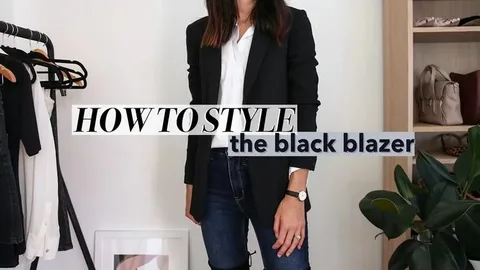
There is no single fabric required for a blazertje.
The best material depends on the season and the intended use.
Linen
Linen is useful during warmer weather.
It is lightweight and breathable, although natural linen wrinkles easily.
A linen blazer can create a relaxed summer appearance and works well with casual trousers, jeans, dresses, and simple tops.
Cotton
Cotton is another practical choice.
It can be comfortable for everyday wear and is generally easier to style casually than a very formal wool jacket.
Cotton blazers can work particularly well during spring and early autumn.
Wool
Wool is associated more strongly with traditional tailoring.
It can provide warmth and structure while still allowing a blazer to look elegant.
A lightweight wool fabric can also work throughout different seasons depending on the climate.
Linen-Cotton Blends
A blend can provide a useful balance.
Linen offers breathability, while cotton can add durability and reduce some of the roughness associated with pure linen.
This combination is often suitable for casual smart clothing.
Stretch Fabrics
Stretch materials can make a blazer more comfortable for daily use.
They can be useful for people who travel frequently or spend long periods sitting at work.
Comfort should not be overlooked when choosing a blazer.
A jacket can look excellent on a hanger and still be uncomfortable after several hours of wearing it.
How to Choose the Right Fit
Fit is more important than the name printed on the product page.
When buying a blazertje, start with the shoulders.
The shoulder seam should sit close to the natural edge of your shoulder. If it falls far beyond the shoulder, the jacket may be intentionally oversized or simply too large.
Next, check the chest.
You should be able to close the jacket comfortably if it is designed to be buttoned. There should not be excessive pulling around the buttons.
Sleeve length is another useful measurement.
A sleeve that is too long can make even an expensive jacket look poorly fitted.
The body length depends on the style you want.
A cropped jacket creates a different silhouette from a hip-length or longer blazer.
There is no universally correct length.
The right length is the one that works with the proportions of your outfit and your personal style.
How to Wear a Blazertje Casually
One of the easiest ways to style a blazer is to remove the formality from everything around it.
Try a simple combination such as:
Blazertje + T-shirt + Jeans + Sneakers
This works because the blazer provides structure while the other pieces remain relaxed.
You do not need a complicated outfit.
A plain white or black T-shirt can be enough.
Straight-leg jeans create a balanced silhouette, while clean sneakers keep the look casual.
This is especially useful if you want to look polished without appearing as though you are dressed for a formal business meeting.
Wearing a Blazertje With Trousers
For a smarter appearance, pair the jacket with trousers.
A neutral blazer can work with black, grey, beige, navy, or brown trousers.
You do not necessarily need a matching suit.
In fact, deliberately mixing colours can make the outfit look more modern.
For example, a navy blazer with beige trousers creates a classic combination without looking overly formal.
A grey jacket with dark trousers can work for a professional environment.
The important thing is that the colours complement each other.
Wearing a Blazertje With Jeans

Jeans and blazers are one of the easiest combinations for everyday dressing.
The contrast works because denim is casual while tailoring is more structured.
Dark jeans can create a slightly smarter appearance.
Light-wash denim gives the outfit a more relaxed feel.
Straight-leg jeans are particularly easy to combine with different blazer shapes.
Skinny jeans can work as well, but the overall proportions should be considered.
If the blazer is oversized, a slimmer lower half can create balance.
If the blazer is fitted, straight or relaxed jeans can prevent the outfit from looking too formal.
Blazertje With a Dress
A blazer can also work over a dress.
This combination is useful when the weather is slightly cool or when you want to add structure to a softer outfit.
A short blazer can work well with a longer dress.
A longer blazer can create a different, more layered appearance.
Neutral colours are generally easy to combine.
For example, a black blazer can work with a floral dress, while a beige blazer can soften a darker outfit.
The important thing is not to let the jacket completely overwhelm the dress.
Wearing a Blazertje to Work
A blazer remains one of the easiest ways to create a professional appearance.
For a traditional office, a structured blazer with tailored trousers may be appropriate.
For a more relaxed workplace, a softer blazer with chinos or dark jeans may be enough.
The right choice depends on the dress code.
A very formal workplace may require traditional tailoring.
A creative office may allow more freedom.
A remote worker attending an occasional meeting might prefer a lightweight blazer that looks polished on camera without feeling uncomfortable.
Blazertje for Travel
A versatile blazer can also be useful while travelling.
The ideal travel jacket is comfortable, relatively lightweight, and easy to combine with several outfits.
A neutral blazer can be worn with jeans during the day and trousers in the evening.
This can reduce the number of clothing items you need to pack.
However, fabric matters.
A jacket that wrinkles heavily may require extra care during travel.
Stretch fabrics and softer materials can be more practical if you spend hours sitting in cars, trains, or aeroplanes.
Seasonal Styling
Spring
Spring is a good time for lightweight tailoring.
A cotton or linen-blend blazertje can be worn over a T-shirt or lightweight shirt.
Soft colours such as beige, cream, light blue, and grey can work well.
Summer
During hot weather, breathability becomes more important.
Linen and lightweight cotton are useful options.
A blazer can be worn over a simple top during the evening when temperatures fall.
Autumn
Autumn provides more opportunities for layering.
A blazer can be worn over a shirt, thin sweater, or knit top.
Darker colours such as navy, brown, charcoal, and olive can fit naturally into autumn wardrobes.
Winter
In colder weather, a blazer can become part of a larger layered outfit.
A heavier wool blazer can be worn over knitwear.
For genuinely cold conditions, however, a blazer may need to sit underneath a proper coat rather than replace one.
Choosing the Right Colour
Colour affects how versatile a jacket will be.
If you are buying your first blazer, neutral colours are usually easier to use.
Black
Black creates a sharp and formal appearance.
It works particularly well for evening outfits and professional settings.
Navy
Navy is one of the most versatile blazer colours.
It can be worn with jeans, beige trousers, grey trousers, white shirts, T-shirts, and many other pieces.
Beige
Beige has a softer appearance.
It is particularly useful for spring and summer outfits.
Grey
Grey works well for professional and casual combinations.
It can be paired with black, navy, white, denim, and many other colours.
Brown
Brown can create a warmer appearance.
It works particularly well with cream, beige, denim, olive, and other earthy tones.
Accessories Can Change the Entire Outfit
A blazer does not determine the entire appearance.
Accessories matter too.
Shoes can make the outfit formal or casual.
Sneakers create a relaxed appearance.
Loafers look smarter.
Boots can add a more rugged style.
A simple watch can complement a blazer without making the outfit look overly decorated.
For women, jewellery, handbags, scarves, and belts can change the character of the same jacket.
The goal is balance.
If the blazer already has a bold pattern, simpler accessories may work better.
If the jacket is plain, accessories can provide more personality.
Is Blazertje Only for Women?
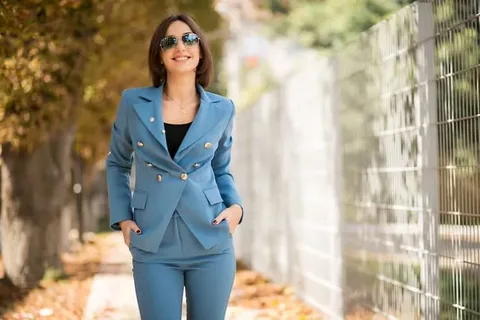
No.
The underlying word refers to a blazer and is not inherently limited to women’s clothing.
Blazers are worn by men, women, and people who prefer gender-neutral fashion.
The most important considerations are fit, proportions, comfort, and styling.
A men’s blazer may have broader shoulders and a longer cut.
A women’s version may use a different waist shape or proportion.
But modern fashion increasingly mixes traditional categories.
Someone should not feel restricted by the label if a particular cut suits them.
Is Blazertje a Brand?
The word itself is not automatically a brand.
It is a Dutch word.
A company can use Blazertje as a business or product name, but the word’s ordinary meaning remains connected to blazer.
This distinction is useful because search results may contain websites using the term as a title or domain name.
Seeing the word used as a website name does not change its original linguistic meaning.
Why Is the Word Appearing More Often Online?
The increased visibility of the word appears to be connected partly to English-language fashion content.
Several websites have recently published explanations of blazertje, often describing it as a modern or relaxed blazer style.
Search engines can amplify this kind of terminology.
Once several websites begin writing about the same unusual word, more people encounter it.
Those people search for the definition.
More websites then create articles explaining it.
The term becomes increasingly visible even if the original word has existed in Dutch for a long time.
This is a good example of how internet search trends can make an ordinary word suddenly appear like a new concept.
The Difference Between Language and Fashion Marketing
This distinction is worth remembering.
Language tells us what a word means.
Fashion marketing can give the word a particular style or image.
For example, a clothing retailer might use blazertje to describe a short, lightweight jacket.
Another retailer might use it for a relaxed blazer.
A Dutch speaker may simply use it as the diminutive of blazer.
All three uses can exist without there being one universal design called “the Blazertje.”
That is why product descriptions should always be read carefully.
Shopping for a Blazertje Online
If you see the word while shopping, do not buy based on the name alone.
Look for:
- Exact measurements
- Material composition
- Shoulder construction
- Sleeve length
- Overall jacket length
- Lining
- Closure type
- Fit description
- Customer reviews
- Return policy
Photographs can sometimes be misleading.
A jacket may look cropped in a product photograph because of the model’s proportions.
Measurements provide a more reliable guide.
Customer reviews can also reveal whether the garment runs large, small, short, or long.
Taking Care of a Blazer
Good care can extend the life of a jacket.
Do not wash every blazer unnecessarily.
Check the care label first.
Some fabrics can be machine washed, while structured jackets may require professional cleaning.
Hanging the jacket properly also matters.
A strong, wide hanger can help support the shoulders.
Avoid overcrowding your wardrobe because constant pressure from other clothes can affect the shape.
If the jacket becomes wrinkled, steaming may be gentler than aggressive ironing, depending on the fabric.
Again, the manufacturer’s care instructions should come first.
Why Fit Is More Important Than Trends
Fashion changes quickly.
A particular blazer length may become popular for a season and then disappear.
A neutral, well-fitting jacket can remain useful for years.
That is why buying a garment solely because an article calls it a “trend” is not always the best approach.
Think about your existing wardrobe.
Will the jacket work with your jeans?
Can you wear it with trousers?
Does it work with your shoes?
Can you use it during more than one season?
If the answer is yes, the purchase is more likely to provide long-term value.
Blazertje as Part of a Capsule Wardrobe
A capsule wardrobe focuses on owning a smaller number of pieces that work together.
A blazer can be useful in this type of wardrobe because it can change the appearance of basic clothing.
A simple T-shirt and jeans can look casual.
Add a blazer and the same outfit becomes more polished.
Wear the blazer with trousers and a shirt, and it can become suitable for a business setting.
Wear it over a dress and it takes on another character.
That versatility is the real strength of the garment.
It is not necessarily the word “blazertje” that makes it useful.
It is the flexibility of the blazer itself.
Final Thoughts
Blazertje is an interesting word because it sits between language and fashion.
At its simplest, it is the Dutch diminutive form of blazer, meaning something like “little blazer” or “small blazer.” The ending “-tje” can communicate smallness, familiarity, softness, or informality, so the word should not automatically be interpreted as meaning a physically tiny jacket.
Modern English-language fashion content has given the word additional attention, with some websites using it to describe cropped, lightweight, relaxed, or approachable blazer styles. But those descriptions should not be confused with a strict definition. A blazertje does not have one compulsory length, fabric, colour, or fit.
That is actually what makes the subject more interesting.
Instead of thinking of blazertje as a mysterious new fashion invention, it makes more sense to understand its Dutch origin first and then look at how individual retailers and fashion writers use the word.
Whether you choose a cropped blazer, a relaxed linen jacket, a fitted office blazer, or an oversized style, the basic idea remains the same: a versatile layer that can add structure without forcing an outfit to become completely formal.
The best blazertje is ultimately the one that fits comfortably, works with your existing clothes, suits your lifestyle, and feels natural when you wear it.
Frequently Asked Questions
What does blazertje mean?
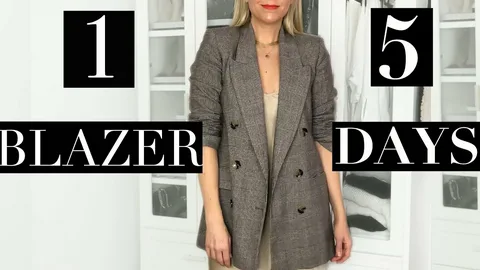
Blazertje is a Dutch diminutive form of blazer. It can be translated roughly as “little blazer” or “small blazer.”
Is blazertje a type of blazer?
Not in a strict technical sense. It is primarily a Dutch word form. Particular fashion websites may use it to describe shorter, lighter, or more relaxed blazer styles, but the word itself does not require one specific design.
Does a blazertje have to be cropped?
No. A cropped jacket may be described as a blazertje, but the Dutch word itself does not require a cropped length.
Is blazertje a new fashion trend?
The word itself is not new. It is a Dutch diminutive. Its increased visibility in English-language fashion content is much more recent.
Can men wear a blazertje?
Yes. A blazer can be worn by anyone. The appropriate cut and styling depend on personal preference and the intended outfit.
What should I wear with a blazertje?
A blazer can be worn with jeans, trousers, skirts, dresses, T-shirts, shirts, sneakers, loafers, or boots. The best combination depends on whether you want a casual, smart-casual, or formal appearance.
Which colour is the most versatile?
Navy, grey, black, and beige are generally easy to combine with other clothing. Navy is particularly flexible for both casual and professional outfits.
What fabric is best for summer?
Lightweight linen, cotton, and linen-cotton blends are popular choices for warm weather because they tend to feel lighter and more breathable than heavy fabrics.
Is blazertje a brand name?
Not inherently. Blazertje is a Dutch word. Individual businesses may use the term as a brand or website name, but the word itself refers to the diminutive form of blazer.
What is the simplest way to understand blazertje?
Think of blazertje as the Dutch way of saying “little blazer” or referring to a blazer in a softer, smaller, or more informal way. The exact style depends on the garment and context.










Leave a Reply