
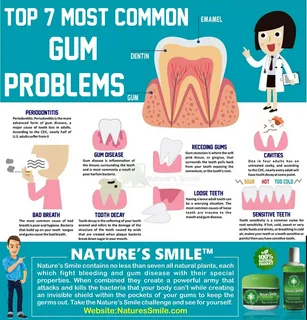
Noticing that the gum around just one tooth looks puffy can be confusing, especially when the rest of your mouth feels normal. The swollen area may look red, feel tender when touched, bleed during brushing, or create discomfort while eating. Sometimes, the swelling is barely noticeable. In other cases, it may develop into a painful lump near the tooth.
The phrase “gum puffy around one tooth” describes a symptom rather than a specific dental condition. It can happen because food is trapped between the tooth and gum, the area has become irritated, gum disease is developing, or an infection is forming near the tooth root. The right way to deal with it depends on the underlying cause.
Although mild irritation can sometimes improve with better oral hygiene, swelling around a single tooth should not automatically be ignored. If the area is painful, contains pus, or becomes increasingly swollen, professional dental care is important. This guide explains the possible causes, practical steps for caring for the area, treatment options, and warning signs that deserve attention.
What Does It Mean When the Gum Is Puffy Around One Tooth?
Healthy gums usually fit closely around the teeth. They generally appear firm and pink, although natural gum color varies from person to person. When the gum around one tooth becomes puffy, the tissue may look enlarged, red, shiny, or raised compared with the surrounding area.
The swelling can develop on the front of the tooth, between two teeth, or along the gumline. In some cases, a small bump appears beside the tooth. The area might hurt when touched with a toothbrush, or it may feel uncomfortable when chewing.
Several conditions can produce similar symptoms. For example, food caught between two teeth may irritate the gum, while a damaged tooth can allow bacteria to reach deeper tissues. Gum disease may also affect a particular area more noticeably than others.
Pay attention to how the swelling started and whether other symptoms are present. A little tenderness after food becomes trapped is different from a painful lump accompanied by a bad taste, pus, or facial swelling. These details can help a dentist identify the problem.
Common Causes of Puffy Gums Around One Tooth

1. Food Trapped Between the Tooth and Gum
One of the simplest explanations is that a small piece of food has become lodged between two teeth or near the gumline. Meat fibers, seeds, popcorn pieces, and other small food particles can irritate delicate gum tissue.
When something remains trapped in the area, the gum may become red, tender, and slightly swollen. You might notice discomfort after eating, particularly if food repeatedly becomes stuck in the same place.
Gently cleaning between the teeth may help remove the source of irritation. Use dental floss carefully rather than forcing it into the gum. If the food cannot be removed easily, or the swelling continues after the area is cleaned, contact a dentist. Repeated food trapping may indicate a gap, a damaged filling, or another dental issue that needs attention.
2. Gingivitis and Early Gum Disease
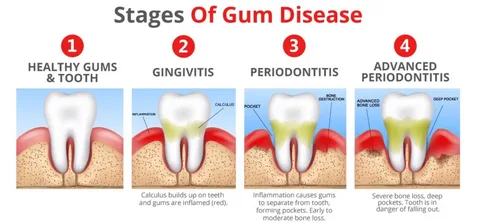
Gingivitis is an early form of gum disease caused mainly by plaque buildup along the gumline. Plaque is a sticky film containing bacteria that forms on teeth throughout the day.
When plaque is not removed effectively, the gums can become inflamed. Common signs include redness, puffiness, tenderness, and bleeding during brushing or flossing.
Although gingivitis often affects several areas of the mouth, one section can appear worse than the others. This may happen when plaque accumulates around a difficult-to-clean tooth or between crowded teeth.
Consistent brushing, gentle daily cleaning between teeth, and professional dental cleaning can help control plaque-related inflammation. However, if the gums remain swollen or bleed frequently, a dental examination is advisable. Treating gum inflammation early can help prevent more serious problems.
3. A Gum Abscess
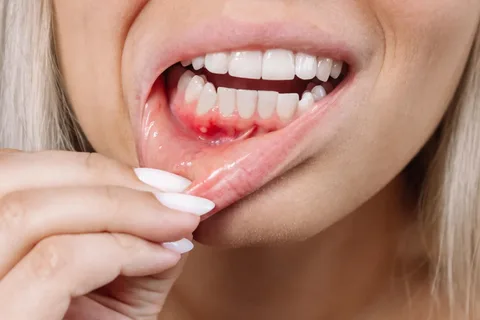
A gum abscess is a collection of pus caused by an infection. It may appear as a small, raised bump beside a tooth and can make the surrounding gum look unusually swollen.
Possible symptoms include tenderness, throbbing discomfort, a bad taste in the mouth, pus, and localized redness. Some people also experience tooth sensitivity or difficulty chewing.
An abscess may develop in the gum tissue itself or be associated with a deeper infection involving the tooth or the structures supporting it. The appearance alone cannot reliably determine which type is present.
A suspected abscess needs prompt dental assessment. Do not squeeze, puncture, or attempt to drain the bump yourself. Although it may release fluid or become less painful, the infection can remain and may spread. A dentist will identify the source and recommend appropriate treatment.
4. An Infection Inside the Tooth
A tooth can become infected when bacteria enter its inner tissue through deep decay, a crack, a fracture, or another opening. The infection may spread toward the root and surrounding tissues, sometimes producing swelling on the gum near the affected tooth.
The tooth might hurt when biting, feel sensitive to temperature, or develop a persistent ache. However, symptoms vary, and some infected teeth cause little pain at first.
A small swollen area near a tooth does not prove that the tooth is infected, but it is a possibility that should be considered, particularly when swelling occurs alongside toothache or a bad taste.
Treatment may involve a root canal to remove infected tissue and preserve the tooth, drainage when appropriate, or extraction if the tooth cannot be saved. Antibiotics may be necessary in selected situations, but they do not replace treatment of the underlying dental source.
5. Periodontal Disease
Periodontal disease affects the tissues that support the teeth. It can develop when gum inflammation progresses and bacteria affect deeper structures.
Signs may include swollen gums, persistent bad breath, bleeding, gum recession, pockets around the teeth, or teeth that begin to feel loose. Swelling may be especially noticeable around a tooth where bacteria have accumulated in a deep gum pocket.
Periodontal disease is not always painful, so the absence of severe discomfort does not necessarily mean the gums are healthy.
A dentist may measure the spaces between the teeth and gums, check the supporting tissues, and recommend professional cleaning or deeper periodontal treatment. The appropriate treatment depends on how much damage has occurred.
6. Brushing or Flossing Too Aggressively
Cleaning your teeth is essential, but using too much force can irritate the gums. A toothbrush with hard bristles, vigorous scrubbing, or rough flossing may leave the tissue sore or swollen.
This type of irritation may appear around one tooth if the brush repeatedly presses against that area. The gum may feel tender after brushing and could look red along the edge.
Switch to a soft-bristled toothbrush and use gentle, small movements along the gumline. Floss should slide carefully between the teeth rather than snap into the gum.
Do not stop cleaning the area entirely. Instead, use a gentler technique. If swelling persists, worsens, or develops without an obvious connection to brushing, arrange a dental examination to rule out other causes.
7. A Partially Erupted Wisdom Tooth
Wisdom teeth can cause swelling when they emerge only partly through the gum. A flap of tissue may cover part of the tooth, creating a space where food particles and bacteria collect.
This condition can lead to inflammation around the emerging tooth. Symptoms may include gum tenderness, unpleasant breath, a bad taste, discomfort when chewing, and difficulty opening the mouth in more severe cases.
The problem is often seen around the back molars, particularly when there is insufficient space for the wisdom tooth to emerge properly.
Careful cleaning may help reduce debris around the area, but persistent or significant swelling needs dental attention. A dentist can determine whether the tooth is erupting normally or whether further treatment is required.
8. A Cracked Tooth or Damaged Filling
A crack in a tooth or a damaged filling can create an area where bacteria and food particles collect. The tooth may become sensitive to biting pressure, while nearby gum tissue becomes irritated or infected.
Small cracks are not always visible in a mirror. A filling may also have a damaged edge that is difficult to notice without professional examination.
If swelling appears around a tooth that has a large filling, previous dental treatment, or a history of injury, mention this to your dentist. The treatment will depend on the location and severity of the damage.
9. Irritation From Dental Appliances
Braces, retainers, dentures, and other dental appliances can sometimes rub against the gums. If a wire or appliance presses against one particular area, the tissue may become sore, red, or puffy.
Food and plaque may also collect around brackets and other hard-to-clean areas, increasing the chance of inflammation.
Clean around the appliance according to your dentist’s instructions. If a wire is poking the gum or a denture repeatedly rubs the same spot, contact your dental professional for an adjustment. Do not attempt major repairs to an appliance yourself.
10. Hormonal Changes and Certain Medicines
Hormonal changes, including those associated with pregnancy, can make gum tissue more sensitive to plaque. As a result, the gums may become more swollen or bleed more easily.
Certain medicines can also contribute to gum enlargement. The effect varies depending on the medication and the individual.
If gum swelling began after starting a new medicine or during a period of hormonal change, discuss it with a dentist or healthcare professional. Do not stop prescribed medication without speaking to the person who prescribed it.
Symptoms That May Occur Alongside Gum Swelling
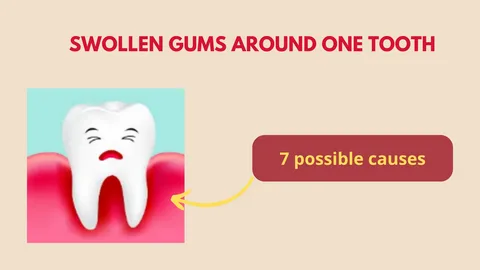
The appearance of the gum provides useful information, but other symptoms matter too. Notice whether the swelling is getting smaller, remaining the same, or becoming more pronounced.
Redness and Tenderness
Inflamed gum tissue may look redder than the surrounding area and feel sore when brushing or eating. Mild tenderness can result from irritation, but persistent pain deserves attention.
Bleeding During Brushing
Gums that bleed easily may be inflamed. Plaque-related gingivitis is one possible cause, although brushing trauma and other conditions can also contribute.
Repeated bleeding should not be treated as a normal part of brushing. Use a soft brush and arrange a dental check if it continues.
A Small Bump on the Gum
A raised bump beside a tooth may be caused by an abscess or another dental condition. Do not assume it is harmless simply because it is small.
A pimple-like bump, particularly one that releases pus or leaves a bad taste, should be assessed promptly by a dentist.
Toothache or Pain While Chewing
Pain when biting may indicate irritation, a damaged tooth, or an infection involving the tooth’s inner tissues. If chewing becomes uncomfortable, avoid putting pressure on that side and seek dental advice.
Bad Breath or an Unpleasant Taste
Food trapped around the gum, plaque buildup, and infection can all cause an unpleasant smell or taste. Persistent bad breath together with localized swelling deserves attention.
Facial Swelling or Fever
Swelling that extends beyond the gum, fever, or feeling generally unwell may indicate a spreading infection. These symptoms should not be managed with home remedies alone.
Seek urgent medical or dental care if they occur. Difficulty breathing or swallowing, or rapidly increasing swelling of the face, mouth, or neck, requires emergency care.
How to Care for Puffy Gums Around One Tooth at Home
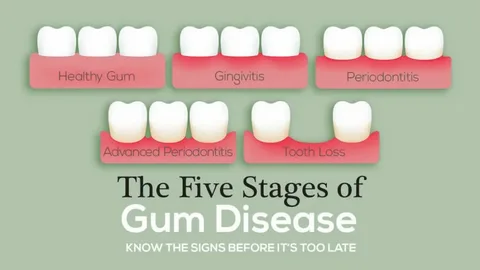
Home care can ease mild irritation while you arrange an examination when needed. It cannot reliably treat a deep infection or an abscess.
1. Brush Gently With a Soft Toothbrush
Brush twice daily using a soft-bristled toothbrush and fluoride toothpaste. Move the brush gently along the gumline rather than scrubbing hard.
Pay attention to the swollen area without repeatedly pressing or rubbing it. Aggressive brushing can make irritated tissue more uncomfortable.
2. Clean Between the Teeth Carefully
Food and plaque may remain between teeth even when the visible surfaces appear clean. Carefully use dental floss or an appropriate interdental cleaner to remove debris.
If floss catches, causes significant pain, or cannot pass normally, do not force it. A dentist can check whether a filling, tooth position, or another issue is contributing to the problem.
3. Try a Warm Saltwater Rinse
A warm saltwater rinse may temporarily soothe irritated gum tissue. Dissolve about half a teaspoon of salt in a glass of warm water, rinse gently, and spit it out.
Do not swallow the mixture. The rinse is a comfort measure, not a cure for a tooth infection. If swelling persists or there are signs of an abscess, professional care remains necessary.
4. Choose Foods That Do Not Irritate the Area
Very hard, crunchy, sticky, or extremely hot foods may aggravate a tender gum. Softer foods can be more comfortable until the area has been assessed.
Chew on the opposite side if doing so does not cause additional pain. Avoid placing aspirin, crushed tablets, alcohol, or harsh substances directly on the gum because they can damage the tissue.
5. Use a Cool Compress for External Swelling
If the area feels sore or the cheek is mildly swollen, a cool compress held against the outside of the face for short periods may help with discomfort.
Wrap the cold pack in a cloth rather than applying ice directly to the skin. A compress does not treat the cause of an infection, and facial swelling associated with a suspected dental abscess requires prompt evaluation.
6. Avoid Smoking and Tobacco
Smoking and other tobacco use can irritate the mouth and negatively affect gum health. Avoiding tobacco supports better oral care and healing.
7. Do Not Try to Pop the Swelling
A swollen bump may look like a pimple, but squeezing or puncturing it can injure the gum and may worsen the situation.
If pus is present, the area needs professional assessment. Even if the bump drains and the pain decreases, the source of infection may remain.
8. Do Not Take Leftover Antibiotics
Antibiotics are not necessary for every cause of gum swelling. Dental treatment that addresses the source of the problem is often the main priority, and a dentist decides whether antibiotics are appropriate.
Taking leftover medicine or someone else’s prescription can cause side effects and may delay proper treatment.
When Should You See a Dentist?
The safest response depends on the symptoms and how quickly they are changing. Because localized swelling can sometimes indicate an infection, do not wait for it to become severe before seeking advice.
Arrange a dental appointment promptly if:
- The swelling is painful or increasing.
- You notice pus, a pimple-like bump, or a persistent bad taste.
- The tooth hurts when biting or has ongoing sensitivity.
- The gum bleeds repeatedly or remains inflamed.
- The tooth feels loose or the gum appears to be pulling away.
- The swelling keeps returning in the same location.
- Symptoms do not improve with gentle cleaning or continue for more than a few days.
Seek urgent dental care if you suspect an abscess. If you have fever, significant facial swelling, or feel unwell, obtain urgent medical attention as well. Difficulty breathing or swallowing, or rapidly spreading swelling involving the mouth, face, or neck, is an emergency.
Do not rely only on whether the pain disappears. A dental infection can sometimes become less painful without the underlying problem being resolved.
How Dentists Diagnose the Cause
A dentist will usually begin by asking when the swelling started, whether it hurts, and whether you have noticed bleeding, discharge, tooth sensitivity, or a recent injury.
The dentist will examine the affected tooth and the surrounding gum. They may look for plaque, trapped food, cavities, damaged fillings, cracks, or a pocket between the tooth and gum.
Depending on the findings, the examination may include checking the tooth’s response to temperature or pressure, measuring gum pockets, and taking dental X-rays. Imaging can help reveal problems that are not visible on the surface, such as changes around the root.
The purpose of the examination is to distinguish between a minor irritation and a condition that needs more specific treatment. Different causes can produce similar-looking swelling, so the correct diagnosis matters.
Treatment Options for Puffy Gums Around One Tooth
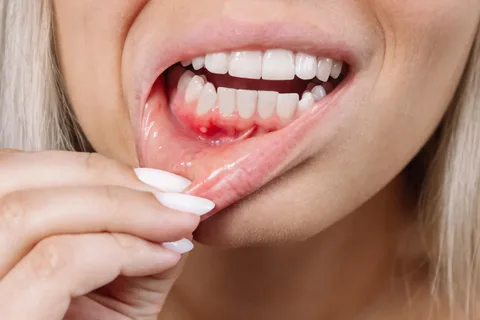
Professional Dental Cleaning
If plaque and tartar are contributing to inflammation, professional cleaning may be recommended. Removing deposits can help control gum irritation and make daily cleaning more effective.
Treatment for Gum Disease
For early gum inflammation, improved home care and professional cleaning may be sufficient. More advanced periodontal disease may require deeper cleaning beneath the gumline and continued monitoring.
The treatment plan depends on the depth of the gum pockets and the condition of the supporting tissues.
Drainage of an Abscess
If an abscess is present, a dentist may need to drain it as part of treatment. The procedure depends on where the infection has developed and what caused it.
Drainage can relieve pressure, but the underlying source must also be addressed to reduce the chance of recurrence.
Root Canal Treatment
When infection affects the pulp inside a tooth, root canal treatment may allow the dentist to remove the infected tissue and preserve the tooth. The tooth is then cleaned, sealed, and restored as needed.
Whether this option is appropriate depends on the extent of the damage and the tooth’s overall condition.
Tooth Extraction
If a tooth is too damaged to restore, removal may be necessary. Extraction is not the first choice in every case; the dentist will assess whether the tooth can be saved and explain the available options.
Wisdom Tooth Treatment
If swelling develops around a partially erupted wisdom tooth, the dentist may clean the area and assess how the tooth is positioned. Some cases can be monitored, while others may require additional treatment or removal of the tooth.
Medication When Appropriate
A dentist may recommend pain relief or prescribe medication depending on the diagnosis. Antibiotics may be needed when there are particular signs of spreading infection or other clinical indications, but they are not a substitute for necessary dental treatment.
Always follow professional instructions rather than self-prescribing medication.
How to Prevent Gum Swelling Around One Tooth
Not every cause can be prevented, but good oral care can reduce many common risks.
Brush twice a day with fluoride toothpaste and use a soft-bristled toothbrush. Clean between your teeth daily with floss or a suitable interdental cleaner. Pay special attention to crowded teeth, the back molars, and areas around dental work, where plaque may be harder to remove.
Limit frequent sugary snacks and drinks, and drink water regularly. Arrange routine dental checkups so that early gum disease, cavities, and damaged restorations can be identified before they become more serious.
If food repeatedly becomes trapped in the same place, ask a dentist to investigate why. A recurring problem may be related to tooth spacing, a damaged filling, or another issue that ordinary brushing cannot correct.
If you wear braces, a retainer, or dentures, follow the cleaning and maintenance instructions provided by your dental professional. Report persistent rubbing or pressure rather than allowing the gum to remain irritated.
Can Puffy Gums Around One Tooth Go Away on Their Own?
The answer depends on the cause. Mild swelling caused by temporary irritation or trapped food may improve after the irritant is removed and the area is cleaned gently.
However, swelling caused by an abscess, a deep tooth infection, or more advanced gum disease usually requires professional treatment. Some symptoms may temporarily improve even when the underlying problem remains.
It is therefore unwise to assume that the condition has resolved simply because the gum looks smaller or the pain has eased. If the swelling returns, continues, or is accompanied by other symptoms, arrange a dental examination.
Is Gum Swelling Around One Tooth a Sign of an Infection?
It can be, but not always. Irritation from food, brushing, or dental appliances can cause localized swelling without a serious infection.
An abscess becomes more concerning when the gum develops a pus-filled bump, the tooth aches, the area tastes unpleasant, or swelling spreads. Fever or facial swelling may indicate a more serious problem.
A dentist can determine whether infection is present and whether treatment is needed. Do not try to diagnose an abscess based only on the appearance of the gum.
Why Is the Gum Puffy but the Tooth Does Not Hurt?
Gum swelling can occur without toothache. Plaque-related inflammation, trapped food, and irritation can affect the gum while the tooth itself feels normal.
Some deeper dental problems also cause limited pain during their early stages. For that reason, a lack of toothache does not rule out a condition that needs attention.
Monitor the area, keep it clean gently, and seek dental advice if the swelling persists, increases, or develops a bump or discharge.
Frequently Asked Questions
What is the most common reason for puffy gums around one tooth?
Common causes include plaque-related gum inflammation, food trapped between teeth, and local irritation. An abscess or another dental problem is also possible, especially if the swelling is painful or contains pus.
How can I reduce gum swelling at home?
Brush gently with a soft toothbrush, clean between the teeth carefully, and consider a warm saltwater rinse for temporary comfort. Avoid squeezing the swollen area or applying irritating substances. These measures do not replace dental treatment when infection is suspected.
Should I be worried about a small bump on my gum?
A small bump may have several causes, including an abscess. If it is painful, contains pus, produces a bad taste, or keeps returning, contact a dentist promptly. Do not puncture or squeeze it.
Can food stuck between teeth make the gum swell?
Yes. Food lodged between teeth can irritate the gum and lead to localized redness or tenderness. Remove debris gently with floss if possible. If it cannot be removed or the swelling remains, have a dentist check the area.
How long does it take for swollen gums to improve?
Mild irritation may improve after the cause is removed and the area is kept clean. There is no single recovery time because swelling caused by gum disease, an abscess, or tooth damage needs different treatment. Persistent or worsening symptoms should be examined.
Can I use mouthwash for a swollen gum?
A suitable mouthwash may help with oral hygiene, but it may not treat the cause of localized swelling. Follow the product directions and your dentist’s advice. Do not use strong chemicals or undiluted substances on the gum.
Do I need antibiotics for a swollen gum?
Not necessarily. Many dental problems are treated by cleaning, drainage, root canal treatment, or another procedure that addresses the cause. A dentist decides whether antibiotics are indicated based on the diagnosis and symptoms.
Can brushing too hard cause swelling around one tooth?
Yes. Excessive pressure can irritate gum tissue, particularly if the toothbrush repeatedly rubs one spot. Use a soft-bristled brush and gentle technique. If the swelling does not improve, do not assume brushing is the only cause.
Is a swollen gum around one tooth an emergency?
Not every case is an emergency, but suspected abscesses need prompt dental care. Fever, significant facial swelling, or feeling generally unwell calls for urgent assessment. Difficulty breathing or swallowing, or rapidly spreading swelling, requires emergency medical care.
Can gum swelling cause a tooth to become loose?
Swelling alone does not necessarily mean a tooth will loosen. However, advanced gum disease or an infection affecting supporting tissues can threaten the tooth’s stability. A loose tooth should be examined by a dentist.
Final Thoughts
Gum puffy around one tooth is a common description of a problem that can range from temporary irritation to a more serious dental infection. Trapped food, plaque buildup, aggressive brushing, wisdom tooth eruption, and damage to a tooth can all contribute to localized swelling.
Gentle brushing, careful cleaning between the teeth, and a warm saltwater rinse may help soothe mild irritation. However, these steps cannot cure an abscess or repair a damaged tooth. Avoid squeezing a swollen bump or taking antibiotics without professional advice.
If the swelling is painful, persistent, getting worse, or accompanied by pus, a bad taste, or toothache, arrange a dental appointment promptly. Seek urgent care for fever or significant facial swelling, and emergency care for difficulty breathing or swallowing. Finding the cause early gives you the best chance of getting appropriate treatment and protecting your oral health.














Leave a Reply