
Introduction
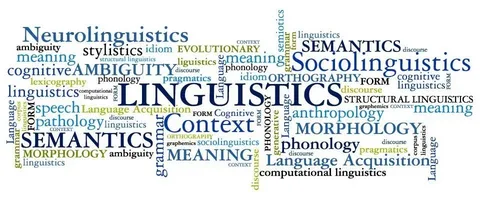
Linguistic meaning refers to the meaning conveyed by words, phrases, sentences, and other language structures in human communication. Every language relies on a system of sounds, symbols, grammar, and vocabulary that enables people to express ideas, emotions, facts, and intentions. Understanding linguistic meaning is essential not only for effective communication but also for education, translation, literature, artificial intelligence, and language learning.
Language is a collection of words. Every expression carries meaning that is shaped by grammar, context, culture, and the relationship between speakers. The same word may have different meanings depending on how and where it is used, making linguistic meaning one of the most fascinating areas of language study.
This comprehensive guide explores what linguistic meaning is, how it is formed, the role of semantics and pragmatics, different types of meaning, the influence of culture and context, practical applications, and why understanding meaning remains fundamental in today’s increasingly connected world.
What Is Linguistic Meaning?
Linguistic meaning is the information or concept communicated through language. It enables people to understand spoken and written messages by connecting words with ideas, objects, actions, emotions, or experiences.
Meaning is not determined solely by individual words. Grammar, sentence structure, pronunciation, and context all contribute to how messages are interpreted. Successful communication depends on both the speaker and the listener sharing a common understanding of linguistic conventions.
The Role of Semantics
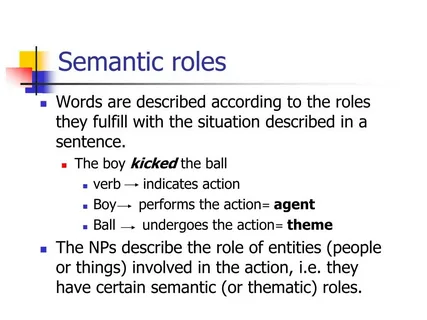
Semantics is branch of linguistics that in language. It examines how words, phrases, and sentences represent ideas and how meanings relate to one another.
Semantics helps explain:
- Word meanings.
- Sentence interpretation.
- Relationships between words.
- Multiple meanings of a single word.
- Synonyms and antonyms.
- Conceptual categories.
Understanding semantics allows linguists and language learners to analyze how language conveys information accurately.
Context and Meaning
Words rarely exist in isolation. Their meaning often depends on the surrounding context.
Context includes:
- The speaker’s intention.
- The listener’s knowledge.
- The conversation topic.
- Cultural background.
- Social setting.
- Previous statements.
A single word can communicate different ideas depending on the situation in which it appears.
Different Types of Linguistic Meaning
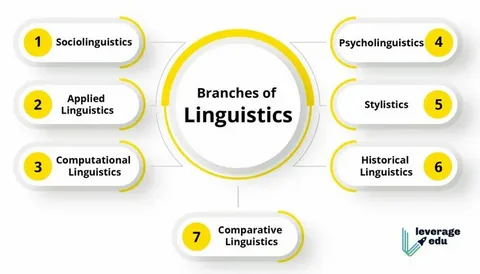
Language contains multiple layers of meaning.
Lexical Meaning
Lexical meaning refers to the dictionary definition of a word.
Grammatical Meaning
Grammar influences how words combine to create complete ideas and relationships.
Contextual Meaning
The surrounding situation often changes or expands the interpretation of a sentence.
Figurative Meaning
Expressions such as metaphors, idioms, and symbolism communicate ideas beyond their literal definitions.
Understanding these different forms of meaning improves both comprehension and communication.
Why Linguistic Meaning Matters
The study of meaning has practical importance across many fields.
Applications include:
- Education.
- Translation.
- Literature.
- Journalism.
- Artificial intelligence.
- Speech recognition.
- Language teaching.
- International communication.
Accurate interpretation helps reduce misunderstandings while improving effective communication.
Language and Culture

Culture strongly influences linguistic meaning. Words may carry unique associations within particular societies, traditions, or historical periods.
Cultural knowledge helps speakers understand:
- Idiomatic expressions.
- Social customs.
- Humor.
- Formal and informal speech.
- Symbolic language.
This relationship between language and culture highlights the importance of context in communication.
Challenges in Understanding Meaning
Several factors can make linguistic interpretation difficult.
Common challenges include:
- Ambiguous words.
- Multiple definitions.
- Regional dialects.
- Slang.
- Cultural differences.
- Figurative expressions.
Successful communication often requires more than simply knowing vocabulary.
Linguistic Meaning in Modern Technology
Advances in technology have increased interest in computational language understanding.
Modern applications include:
- Search engines.
- Machine translation.
- Voice assistants.
- Chatbots.
- Speech recognition.
- Artificial intelligence.
- Natural language processing.
These technologies attempt to interpret human language accurately by analyzing linguistic meaning.
Learning Language More Effectively

Understanding meaning improves language learning.
Helpful strategies include:
- Reading regularly.
- Expanding vocabulary.
- Practicing conversation.
- Studying grammar.
- Learning idioms.
- Exploring cultural context.
These approaches strengthen both comprehension and communication skills.
Future of Linguistic Research

Language continues evolving as societies change and technology advances.
Future research may focus on:
- AI language understanding.
- Cross-cultural communication.
- Digital language evolution.
- Multilingual systems.
- Cognitive linguistics.
- Human-computer interaction.
These developments continue expanding our understanding of how meaning is created and interpreted.
SEO Importance of the Keyword “Linguistic Meaning”
The keyword “Linguistic Meaning“ attracts students, educators, linguists, translators, researchers, and language enthusiasts seeking information about semantics, communication, language structure, and interpretation. Comprehensive, well-organized content helps readers understand complex concepts while improving search visibility for educational topics.
Conclusion
Linguistic meaning forms the foundation of human communication. Every conversation, book, article, presentation, and digital message depends on the ability of language to convey ideas accurately and effectively. Through semantics, grammar, context, and cultural understanding, people create and interpret meaning in countless ways every day.
As technology continues transforming communication through artificial intelligence, machine translation, and digital media, understanding linguistic meaning becomes even more valuable. Whether studying languages, teaching, researching, more effectively, exploring linguistic meaning provides insight into one of humanity’s most the power of language.











Leave a Reply