
Introduction
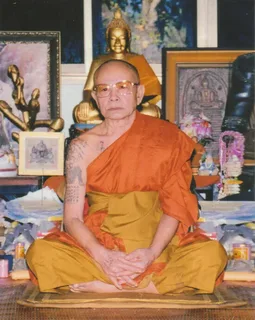
Thailand is renowned for its rich cultural heritage, magnificent temples, and deep-rooted Buddhist traditions. Among the many honorific titles used within Thai Buddhism, Luang Phor holds a special place of respect and reverence. The term is commonly used to address highly respected Buddhist monks who are recognized for their wisdom, years of service, spiritual guidance, and contributions to their communities. Throughout Thailand, many famous monks are affectionately known as Luang Phor, and their teachings continue to inspire millions of people.
For both Thai citizens and international visitors, understanding the meaning of Luang Phor provides valuable insight into the country’s religious traditions and cultural values. These respected monks often serve not only as spiritual teachers but also as community leaders, counselors, educators, and caretakers of Buddhist temples. Many temples associated with renowned Luang Phor monks attract pilgrims seeking blessings, meditation guidance, and opportunities to learn about Buddhist philosophy.
This comprehensive guide explores the meaning of Luang Phor, its historical background, the responsibilities of respected monks, their influence on Thai society, their role in Buddhist practice, and the lasting cultural significance of this honored title.
What Does Luang Phor Mean?
Luang Phor (sometimes spelled Luang Por) is a Thai honorific title used to respectfully address senior Buddhist monks. The expression can be translated approximately as “Venerable Father” or “Revered Father,” reflecting the deep respect shown toward monks who have devoted their lives to spiritual practice and the Buddhist community.
Rather than being an official rank, Luang Phor is a title of honor often given by laypeople and followers to monks who are admired for their wisdom, compassion, moral discipline, and years of service. The title reflects both affection and reverence within Thai culture.
Historical Background

The tradition of honoring respected monks has existed throughout Thai Buddhist history for centuries. Buddhism has played a central role in Thailand’s cultural and social development since its introduction, shaping education, art, architecture, ethics, and community life.
As monasteries became centers of learning and spiritual practice, experienced monks naturally earned the respect of local communities. Over time, honorific titles such as Luang Phor became widely used to recognize monks whose teachings, leadership, and charitable work had a lasting impact on society.
Many temples preserve the memories and teachings of well-known Luang Phor monks through statues, museums, written biographies, and annual religious ceremonies.
The Role of a Luang Phor
Respected monks known as Luang Phor often fulfill many important responsibilities within their communities.
These responsibilities may include:
- Teaching Buddhist principles.
- Leading meditation sessions.
- Providing spiritual guidance.
- Performing religious ceremonies.
- Preserving temple traditions.
- Supporting charitable activities.
- Educating younger monks.
- Offering moral advice to community members.
Their influence often extends beyond religious practice into education, community welfare, and cultural preservation.
Buddhist Teachings Associated with Luang Phor
Many respected monks emphasize core Buddhist teachings that encourage ethical living, mindfulness, compassion, and wisdom.
Common themes include:
Mindfulness
Practicing awareness of thoughts, emotions, and actions helps individuals cultivate greater inner peace and understanding.
Compassion
Acts of kindness toward others are considered an essential part of Buddhist practice and daily life.
Generosity
Supporting temples, charitable work, and those in need reflects one of Buddhism’s important moral principles.
Moral Conduct
Following ethical guidelines promotes harmony within both individuals and society.
Meditation
Meditation remains one of the most important practices taught by many Luang Phor monks, helping practitioners develop concentration, calmness, and insight.
Luang Phor and Thai Temples
Thai temples, known as wats, often serve as the primary places where respected monks live, teach, and interact with local communities. Many temples associated with famous Luang Phor monks become important pilgrimage destinations.
Visitors may attend:
- Meditation retreats.
- Religious festivals.
- Dharma talks.
- Merit-making ceremonies.
- Community events.
- Educational programs.
These activities strengthen the connection between temples and local communities while preserving Thailand’s rich religious heritage.
Cultural Importance

The respect shown toward Luang Phor reflects broader Thai cultural values emphasizing gratitude, humility, respect for elders, and appreciation for spiritual wisdom.
Many families visit temples regularly to receive blessings, participate in religious ceremonies, and seek guidance from experienced monks. These traditions continue to play an important role in Thai society today.
Famous Luang Phor Monks
Throughout Thai history, numerous monks have become widely respected for their teachings, meditation practice, scholarship, charitable work, and leadership. While each monk’s contributions differ, they are remembered for promoting compassion, ethical conduct, and spiritual development.
Many continue to inspire followers through books, recorded teachings, temple museums, and annual commemorative events.
Visiting a Temple Respectfully
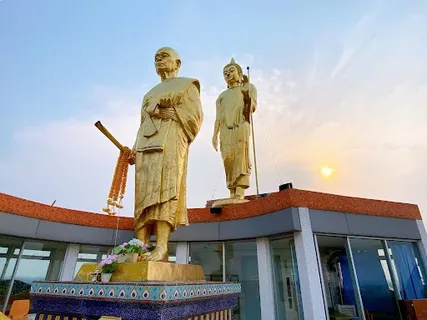
Visitors interested in learning about Thai Buddhism should observe local customs when visiting temples.
General etiquette includes:
- Dressing modestly.
- Removing shoes before entering appropriate areas.
- Speaking quietly.
- Showing respect toward monks.
- Following photography guidelines.
- Respecting religious ceremonies in progress.
Understanding these customs enhances the cultural experience while demonstrating respect for local traditions.
Luang Phor in Modern Society
Although Thailand has modernized rapidly, respected monks continue to play important roles within society. Many participate in educational programs, charitable organizations, environmental initiatives, community development projects, and public discussions on ethics and social responsibility.
Modern communication technologies have also enabled many monks to share Buddhist teachings through books, television, online videos, podcasts, and social media, making spiritual education more accessible to wider audiences.
SEO Value of the Keyword “Luang Phor”
From an SEO perspective, Luang Phor is an informative keyword frequently searched by travelers, students, researchers, and individuals interested in Thai culture, Buddhism, religious history, and temple traditions. Publishing detailed, accurate, and respectful content around this topic can help attract readers seeking educational information about Thailand’s religious heritage.
Effective SEO practices include:
- Creating comprehensive historical guides.
- Explaining cultural terminology.
- Answering frequently asked questions.
- Using clear heading structures.
- Maintaining factual accuracy.
- Updating content as needed.
High-quality educational content provides lasting value for readers while improving search visibility.
The Lasting Legacy of Luang Phor
The influence of respected Luang Phor monks continues across generations through their teachings, charitable work, and spiritual guidance. Their emphasis on compassion, ethical conduct, mindfulness, and service to others remains relevant in today’s rapidly changing world.
Many communities continue preserving their legacy by maintaining temples, supporting educational initiatives, recording their teachings, and encouraging future generations to study Buddhist philosophy. These efforts ensure that the wisdom associated with Luang Phor remains an important part of Thailand’s cultural and religious identity.
Conclusion
Luang Phor is much more than an honorific title; it represents deep respect for Buddhist monks who dedicate their lives to spiritual practice, education, compassion, and community service. Throughout Thailand, these revered teachers have shaped religious traditions, guided countless individuals, and helped preserve the country’s rich Buddhist heritage.
Whether encountered through temple visits, historical study, meditation practice, or cultural exploration, understanding the meaning of Luang Phor offers valuable insight into Thai society and Buddhism. By appreciating their teachings and contributions, readers can gain a deeper understanding of the values of mindfulness, generosity, ethical living, and compassion that continue to inspire millions of people around the world.












Leave a Reply