
Introduction
Some online games are enjoyable because they offer complicated challenges, impressive graphics, or long stories. Others become interesting because they take a simple idea and make it surprisingly difficult to master. Poople belongs to the second category. It is a word puzzle built around a straightforward goal: start with a four-letter word and turn it into the target word POOP by changing one letter at a time.
At first, the rules sound easy. If you know basic English vocabulary, you might expect to reach the target in just a few moves. The challenge appears when you begin searching for words that connect your starting word to the final destination. A word that looks promising may lead nowhere, while an unexpected word can open a much shorter route.
Poople is part of the wider family of word games that encourage players to experiment with spelling, recognize patterns, and think carefully about each move. It is suitable for people who enjoy quick puzzles and want something they can play during a short break without learning a complicated set of instructions.
This guide explains what Poople is, how the game works, why its word-changing mechanic can be challenging, and how players can improve their approach. It also explores hints, common mistakes, and the reasons a small daily puzzle can become an enjoyable routine.
What Is Poople?
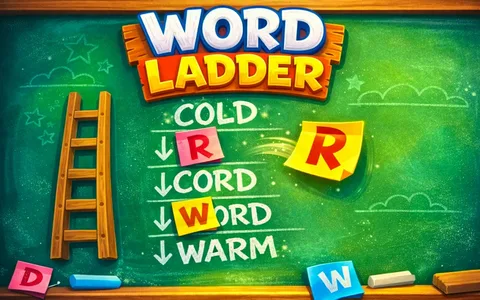
Poople is a daily word ladder game in which players transform a starting word into POOP. Each word contains four letters, and every move must change exactly one letter while producing another accepted English word.
For example, a move from COLD to CORD changes only the third letter. The result must still be a valid word according to the game’s dictionary. Changing two letters at once or entering a word that the game does not accept will not count as a valid move.
The objective is to reach POOP using as few moves as possible. This makes the game more than a simple spelling exercise. Players need to think about how words are connected and whether a particular choice will make the next step easier or harder.
The daily format gives the game a natural stopping point. Rather than requiring a long session, a puzzle can often be attempted in a few minutes, depending on the starting word and the player’s vocabulary.
Some versions and related websites may offer additional practice puzzles, hints, solvers, or archives. Features can differ between sites, so players should check the rules of the particular version they are using.
How to Play Poople
The basic rules are easy to understand, but following them consistently is essential.
Start With the Given Word
Each puzzle begins with a four-letter word. Your task is to transform it into POOP.
Take a moment to examine the starting word before entering anything. Look at its letters, consider which ones already match the target, and think about possible words that are only one letter away from it.
There is no need to rush the first move. A few seconds of planning may prevent several unnecessary guesses.
Change One Letter at a Time
Every move must change exactly one letter. The other three letters must remain in their original positions.
Consider this example:
COLD → CORD
Only the third letter changes, so this is a valid type of word ladder move, assuming both words are accepted by the game.
A change from COLD directly to POOP would not be valid because multiple letters would need to change. The purpose of the puzzle is to build a connected sequence rather than jump straight to the answer.
Use Valid English Words
A letter combination is not automatically a valid move just because it resembles a word. Each intermediate entry must be accepted by the game’s dictionary.
This is one reason players sometimes become frustrated. A word may exist in ordinary English but still be missing from a particular game’s word list. Different versions may use different dictionaries, so a route accepted by one version might not work in another.
When an entry is rejected, try another word that differs from the current word by only one letter.
Reach POOP Efficiently
Reaching the target is only part of the challenge. Players also want to find a short route.
Suppose two different sequences reach POOP. One requires eight moves, while another requires five. The shorter route is generally preferable because the game rewards efficient word choices.
The best route is not always obvious from the beginning. Sometimes it helps to think about words near the target and work backward.
Why Is Poople More Difficult Than It Looks?
The rules are simple, but the number of possible word connections makes the puzzle interesting.
When players see a starting word, they often think of the first word that comes to mind. That choice may be valid, but it might not help them reach POOP efficiently. A successful player considers not only whether a move works now but also which words could follow it.
This requires a different kind of thinking from ordinary word guessing.
Vocabulary Is Only Part of the Challenge
A large vocabulary can certainly help. Knowing more four-letter words gives players more potential routes to explore.
However, vocabulary alone does not guarantee a short solution. A player might know many words but fail to notice a useful connection between them.
The key is to recognize how a word can be transformed while preserving most of its letters. Sometimes the best next word is not the most obvious one but a less familiar word that creates a useful bridge.
One Move Can Change the Whole Route
In a word ladder, every move affects the options available afterward. A choice that seems convenient may lead to a dead end.
For example, a player might focus on changing the first letter because it seems easy to do. After several moves, they may discover that the remaining letters are difficult to rearrange into a path toward POOP.
This does not mean the earlier move was invalid. It simply means that a valid move is not always an efficient move.
Thinking one or two steps ahead can help players avoid this problem.
Familiar Words Can Be Misleading
People tend to prefer common words because they are easier to remember. But a familiar word may not provide the best route.
A less obvious word can sometimes connect two parts of the puzzle that otherwise appear unrelated. This is why experimentation matters. Players benefit from considering several possible words rather than committing immediately to the first idea.
Practical Strategies for Solving Poople
A good strategy does not require advanced linguistic knowledge. It mainly involves slowing down, looking for patterns, and testing possible routes logically.
Work Backward From the Target
One of the most useful approaches is to consider which words are close to POOP.
Words such as POOL, POMP, PLOP, HOOP, and COOP each differ from POOP in one letter, so they can serve as potential final steps when accepted by the game.
Instead of asking only, “What word can I make from my starting word?” ask, “Which word could lead directly to POOP, and how might I reach that word?”
This changes the problem from an open-ended search into a more focused one.
Look for Words That Preserve Useful Letters
Because only one letter changes per move, three letters remain in place each time. Pay attention to the letters that can be preserved while moving closer to the target.
For example, if your current word already contains two letters in useful positions, look for a valid word that keeps them while changing another letter.
The correct approach depends on the current word, but the general principle remains the same: preserve useful structure whenever possible.
Avoid Guessing Randomly
Random guessing can occasionally produce a good move, but it is inefficient as a main strategy.
Before entering a word, ask yourself three questions:
Does it change exactly one letter?
Is it a valid English word accepted by the game?
Could it lead to another word that moves closer to POOP?
If the answer to the first two questions is yes but the third is unclear, the move may still be worth testing. However, considering future possibilities will usually produce better results than entering unrelated words without a plan.
Keep Track of Dead Ends
When a route stops working, remember which words caused the problem. Repeating the same unsuccessful path wastes time.
A dead end can also teach you something about the puzzle. It may reveal that a particular letter position is difficult to change or that you need a different bridge word.
Instead of treating a failed route as wasted effort, use it to narrow down your next attempt.
Explore More Than One Option
Do not assume that the first valid move is automatically the best move.
If the starting word can be changed into several valid words, consider which one gives you the most promising next steps. A word with several useful neighbors may be a better choice than one that leads to only a few possibilities.
This is especially helpful when trying to achieve a short solution rather than simply finish the puzzle.
Understanding Word Bridges
A bridge word connects one part of a word ladder to another. It is useful because it creates a route that may not be obvious when looking only at the starting word and the target.
Imagine that you are trying to reach a word one letter away from POOP. You may discover that your starting word cannot reach it directly. A bridge word can provide the missing connection.
The process involves three stages.
First, identify a word that is close to the target. Next, consider which words can lead to that word. Finally, look for a sequence that connects one of those words to the starting point.
The actual route depends on the puzzle’s dictionary, and not every theoretical sequence will be accepted. Nevertheless, thinking in bridges helps reduce the number of possibilities you need to examine.
This is one of the most transferable skills in word ladder games. Once players become comfortable searching for connections, they often find the puzzles easier to approach.
The Role of Hints and Solvers
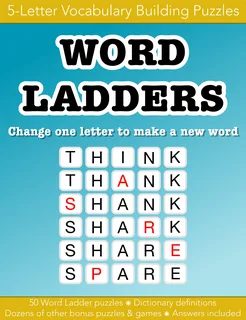
Sometimes a player understands the rules but cannot find the next word. This is where a hint can be useful.
Some Poople-related websites provide tools that suggest a possible next move or help search for words matching a particular pattern. Depending on the tool, players may be able to enter a starting word, filter possible words, or explore routes toward the target.
These tools can support learning when used thoughtfully.
Use a Small Hint First
If a hint system offers a gentle clue, try that before revealing an entire route. A small nudge may help you notice a letter pattern you overlooked.
The goal is to overcome the immediate obstacle while still doing most of the solving yourself.
Learn From the Suggested Route
If you use a solver, examine why the suggested words work. Notice which letters remain unchanged and how each step opens the next possibility.
Simply copying a sequence may finish the puzzle, but understanding the connections can improve your performance on future challenges.
Check the Version You Are Playing
A hint or solver may use a different dictionary from the daily game. That means a suggested word may not always be accepted in another version.
When a tool provides an unexpected result, check whether it is designed for the same game and rules. This can prevent confusion when practicing or comparing solutions.
Common Mistakes New Players Make
Most difficulties in Poople come from a small number of habits that can be corrected with practice.
Changing More Than One Letter
This is the most basic mistake. Players sometimes focus on reaching a word they recognize without checking how many letters changed.
Compare the current word with the proposed next word before submitting it. If two or more letters differ, the move does not follow the standard rules.
Choosing a Word Without Considering the Next Step
A word may be valid but unhelpful. If it leaves you with very few possible moves, you may have to return mentally to the beginning and consider another route.
Try to think at least one move ahead. When possible, identify two or three potential next words before making a decision.
Ignoring the Target’s Letter Pattern
POOP has a distinctive pattern: the first two letters are the same, and the last two letters are the same. Looking at this structure may help you identify useful intermediate words.
You do not need to make every move match the target more closely in every position. Sometimes a temporary detour creates a better route. However, understanding the final pattern gives you a useful starting point.
Getting Discouraged by Unfamiliar Words
Some valid words are less common than others. If a puzzle requires a word you rarely use, it may feel unfair at first.
The best response is to treat the unfamiliar word as a learning opportunity. Once you understand the connection it creates, you may recognize it more quickly in future puzzles.
Rushing to Finish
Because Poople is a short game, players may feel that every move should be immediate. In reality, a brief pause to consider alternatives can save time.
The objective is not merely to type quickly. It is to make a sequence of valid, useful decisions.
Poople as a Daily Brain Teaser
Word puzzles offer a simple way to practice language-related thinking. Poople encourages players to examine spelling, retrieve words from memory, and look for relationships between letter patterns.
It can also provide a small break from other activities. A short puzzle creates a clear task with a defined goal, allowing players to focus on something different for a few minutes.
The experience is different for everyone. Some people enjoy finding the shortest possible route, while others simply want to reach the target without using hints. Both approaches can make the game enjoyable.
It is important, however, not to treat a puzzle score as a complete measure of intelligence or vocabulary. Performance depends on the starting word, the accepted dictionary, familiarity with word ladders, and sometimes simple luck.
The value lies in the activity itself: exploring possibilities, testing ideas, and learning from mistakes.
How Poople Compares With Other Word Games
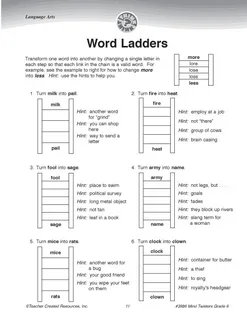
Poople shares some characteristics with other popular word puzzles, but its central mechanic is different.
In a typical hidden-word guessing game, players attempt to identify a secret word using feedback about their guesses. In a word ladder, the challenge is to transform one word into another through a sequence of valid intermediate words.
The difference changes the way players approach the puzzle.
Hidden-word games often emphasize deduction from clues. Word ladders emphasize vocabulary connections and planning. Both can be challenging, but they reward somewhat different habits.
Poople’s fixed target makes backward planning especially useful. Once players understand the possible words immediately before POOP, they can begin searching for routes that connect those words to the starting point.
The game is also easy to explain to someone who has never played a word puzzle before. Four-letter words, one-letter changes, and a single destination are enough to get started.
Tips for Building a Better Daily Routine
If you enjoy playing Poople regularly, a few simple habits can make the experience more rewarding.
Start by reading the starting word carefully. Give yourself time to think before making the first move. When you become stuck, change your approach instead of repeating the same guesses.
After completing a puzzle, review the route if you found it difficult. Consider whether another bridge word might have produced a shorter sequence. If you used a hint, think about what it revealed.
You can also keep a personal list of unfamiliar words. Writing down a new word and its meaning may help you remember it and recognize it in later puzzles.
There is no need to turn a short game into a demanding study routine. The aim is to enjoy the challenge while gradually becoming more comfortable with word patterns.
Frequently Asked Questions About Poople

What is Poople?
Poople is a word ladder puzzle in which players change one letter at a time to transform a four-letter starting word into POOP. Each intermediate word must be accepted by the game’s dictionary.
How do you win Poople?
You complete the puzzle by reaching POOP through a sequence of valid moves. Finding a shorter route is generally better because the game emphasizes efficiency.
Is Poople similar to Wordle?
Both are word-based puzzles, but they use different mechanics. Wordle-style games involve guessing a hidden word, while Poople focuses on creating a chain of words by changing one letter at a time.
Can I play more than one Poople puzzle?
Some versions offer only a daily challenge, while related sites may provide unlimited practice puzzles or additional modes. Available features depend on the website you use.
Why does Poople reject a word?
The entry may change more than one letter, may not be a valid English word, or may be absent from that version’s accepted dictionary. Different versions can have different word lists.
Are hints available for Poople?
Some Poople-related websites provide hints or solver tools. These can help players find possible next moves, although compatibility depends on the particular version and its rules.
What is the best way to solve Poople faster?
Work backward from words close to POOP, consider several possible moves, and look for bridge words that connect your starting word to the target. Avoid choosing a word only because it is the first one that comes to mind.
Does playing Poople improve vocabulary?
The game can expose players to unfamiliar words and encourage them to think about spelling patterns. Learning new words deliberately, including their meanings and usage, can make that experience more valuable.
Final Thoughts
Poople turns a small set of letters into a surprisingly engaging challenge. Its rules are straightforward, but solving a puzzle efficiently requires patience, vocabulary, and the ability to recognize useful connections between words.
The most effective players do more than search for any valid next word. They consider where each move might lead, work backward from the target, and look for bridge words that open a shorter route.
Whether you play for a quick mental break, enjoy competing against your previous results, or want to explore word puzzles more seriously, Poople offers a simple format with room to improve. Every puzzle provides another opportunity to test an idea, discover a new connection, and approach the next challenge with a little more experience.









Leave a Reply