

Skincare has changed a lot over the years. People no longer rely only on basic cleansers and moisturizers. Today, there are products designed for almost every skin concern, from dryness and dullness to uneven tone and visible signs of aging. Among all these products, vitamin C serum has become one of the most talked-about choices.
Walk into a skincare store or browse an online beauty shop and you will find vitamin C in many different forms. Some products contain pure vitamin C, while others use specially developed vitamin C derivatives. Some are lightweight and watery, while others have a slightly thicker texture. Concentrations can also vary considerably.
This variety can make choosing a vitamin C serum confusing.
What does vitamin C actually do for the skin? Is every vitamin C serum the same? When should it be used? Can sensitive skin tolerate it? How should it be stored? And how long does it take before someone can reasonably expect to notice a difference?
These are important questions because buying a skincare product is not simply about choosing the product with the biggest marketing claims. Understanding the ingredient, the formulation, and your own skin can help you make a more sensible choice.
What Is Vitamin C Serum?
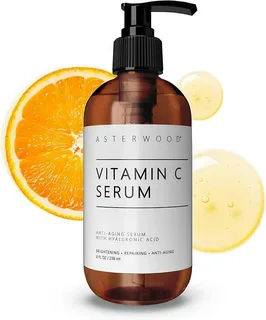
Vitamin C serum is a topical skincare product that delivers vitamin C or a vitamin C derivative to the skin.
One of the best-known forms is L-ascorbic acid, also called ascorbic acid. Other products use derivatives that are designed to improve stability, tolerability, or formulation characteristics.
Vitamin C is naturally involved in several important biological processes. In skincare research, topical vitamin C has received particular attention because of its antioxidant activity, its relationship with collagen production, and its potential effects on pigmentation and photoaged skin.
The serum format is popular because serums are generally designed to deliver concentrated active ingredients in lightweight formulations.
However, the word “serum” does not automatically tell you whether a product is effective.
The formulation matters.
Why Vitamin C Is Popular in Skincare
The skin is exposed to the environment every day.
Sunlight, pollution, smoke, weather changes, and other environmental factors can contribute to oxidative stress and visible skin damage over time.
Antioxidants are studied in skincare partly because they can help counter oxidative processes.
Vitamin C is an antioxidant, which is one reason it has become such a popular cosmetic ingredient.
Research on topical vitamin C has explored its potential role in photoaging, pigmentation, collagen production, and protection against environmental oxidative stress.
This does not mean a vitamin C serum can reverse every sign of aging or replace sun protection.
Instead, it is better viewed as one useful component of a broader skincare routine.
Vitamin C and Skin Brightness
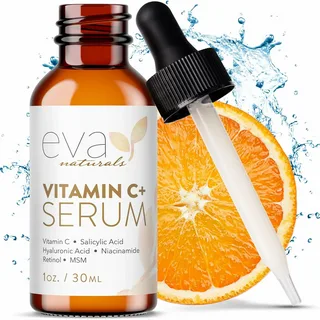
One of the most common reasons people purchase vitamin C serum is to improve the appearance of dull or uneven skin.
Skin can look tired for many reasons. Dehydration, environmental exposure, accumulated sun damage, and uneven pigmentation can all influence how the complexion appears.
Research has found that topical vitamin C can affect melanin formation and may help improve certain forms of pigmentation. A systematic review published in 2023 found evidence that topical vitamin C can have depigmenting effects, although researchers also noted the need for further studies and that noticeable changes may require continued use.
This is why vitamin C is often included in routines designed around a brighter and more even-looking complexion.
Vitamin C and Collagen
Collagen is an important structural protein in the skin.
As people age, changes in collagen and other structural components contribute to the appearance of fine lines and loss of firmness.
Vitamin C has a role in collagen-related biological processes, which is one reason topical vitamin C has been studied as an anti-aging skincare ingredient. Reviews have reported potential benefits involving collagen synthesis and the appearance of photoaged skin.
However, skincare results are rarely instant.
A serum does not rebuild youthful-looking skin overnight.
Consistent use, appropriate formulation, sun protection, and an overall healthy routine are more realistic ways to think about long-term skin care.
Vitamin C as an Antioxidant
The antioxidant property of vitamin C is one of its most important features.
Everyday environmental exposure can contribute to oxidative stress in the skin. Antioxidants are used in skincare to help address this type of stress.
Topical vitamin C has therefore attracted considerable research interest.
Its antioxidant function is one reason it is often used in morning skincare routines, particularly alongside sunscreen.
It is important to understand, though, that vitamin C serum is not sunscreen.
A person should not apply vitamin C and assume that sunscreen is no longer necessary.
These products serve different purposes.
Vitamin C Serum and Sun Exposure
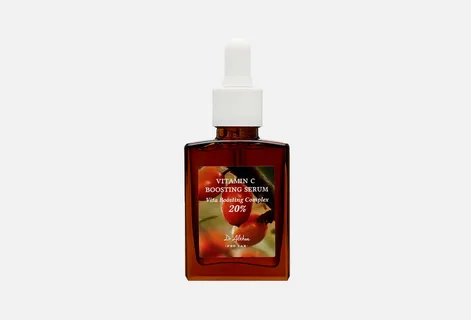
Sun exposure is one of the major contributors to visible skin aging.
UV radiation can contribute to pigmentation, texture changes, fine lines, and other signs of photoaging.
Research has explored vitamin C’s photoprotective properties, but topical vitamin C should be considered a supporting skincare ingredient rather than a replacement for sunscreen.
A practical morning routine may therefore include a vitamin C product followed by moisturizer if needed and broad-spectrum sunscreen.
The sunscreen remains the primary protective step.
Different Types of Vitamin C
One reason vitamin C serums can be confusing is that “vitamin C” does not always mean the exact same ingredient.
The most familiar form is L-ascorbic acid.
Other formulations may contain ingredients such as magnesium ascorbyl phosphate, sodium ascorbyl phosphate, ascorbyl glucoside, tetrahexyldecyl ascorbate, or other derivatives.
These ingredients are designed in different ways.
Some are developed to improve stability. Others are intended to make formulations easier to work with or potentially more comfortable on the skin.
Reviews have noted that vitamin C derivatives have been developed partly because pure ascorbic acid can be unstable and has formulation challenges.
This means consumers should not assume that a higher percentage automatically makes one product better than every other option.
L-Ascorbic Acid
L-ascorbic acid is the form most commonly discussed in scientific literature on topical vitamin C.
It has been studied extensively for skin applications.
However, it also has a major weakness: stability.
Ascorbic acid can oxidize and lose effectiveness when exposed to unfavorable conditions such as light, air, heat, or unsuitable formulation environments.
This is one reason manufacturers pay close attention to packaging and formulation.
A carefully designed product can be very different from a poorly stabilized one, even if both products list vitamin C on the label.
Vitamin C Derivatives
Vitamin C derivatives are modified forms of the ingredient.
The basic idea is to create a form that may be easier to formulate, more stable, or more comfortable for certain users.
Examples include ascorbyl glucoside and magnesium ascorbyl phosphate.
Some newer formulations also use oil-soluble derivatives.
Research continues to compare these ingredients because their stability, skin penetration, conversion, and clinical effects can differ.
For consumers, the important lesson is simple: do not judge a vitamin C serum only by the words “vitamin C” on the front of the bottle.
Look at the actual ingredient list and formulation.
Why Formulation Matters So Much
A skincare ingredient can have promising biological properties and still perform poorly if the final product is unstable.
This is particularly important with vitamin C.
Scientific reviews repeatedly highlight stability and penetration as major challenges in topical vitamin C formulations.
The product’s pH, concentration, packaging, supporting ingredients, and overall formulation can influence how well the active ingredient remains usable.
This explains why two vitamin C products with apparently similar labels can behave very differently.
The Problem of Oxidation
Oxidation is one of the biggest concerns with vitamin C serums.
A fresh vitamin C product may look clear or lightly colored depending on the formulation. As some vitamin C formulations oxidize, they can become increasingly yellow, orange, or brown.
A color change does not provide a perfect scientific test of product quality because formulations differ, but major changes in appearance can be a reason to check the manufacturer’s guidance and consider replacing the product.
Proper storage matters.
Keeping a product tightly closed and away from excessive heat and direct light can help protect the formulation.
How to Store Vitamin C Serum
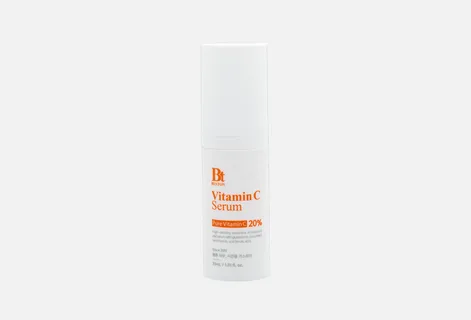
Good storage habits can make a difference.
Keep the bottle closed when it is not being used.
Avoid leaving it in direct sunlight.
Do not store it somewhere extremely hot.
Follow the manufacturer’s storage instructions.
If the product has unusual changes in color, smell, texture, or performance, check the label or contact the manufacturer.
Some vitamin C formulations are more stable than others, so there is no universal rule for every product.
How to Use Vitamin C Serum
A basic routine does not have to be complicated.
A common approach is:
Cleanse the skin gently.
Apply the vitamin C serum according to the product instructions.
Allow it to absorb.
Follow with moisturizer if your skin needs it.
During the daytime, finish with sunscreen.
The exact order can vary depending on the rest of the routine and the instructions provided by the manufacturer.
The important point is to introduce the product sensibly rather than covering the face with multiple strong ingredients at once.
Morning or Night?
Vitamin C is commonly used in morning routines because of its antioxidant properties and its compatibility with daytime skincare.
However, some people prefer using it at night.
There is no single routine that works identically for everyone.
The formulation and the rest of the skincare routine matter.
If a person uses several active ingredients, choosing the timing carefully can also make the routine easier to tolerate.
How Much Vitamin C Serum Should You Use?
More product does not necessarily mean better results.
Most serums are designed to be used in small amounts.
Follow the manufacturer’s instructions rather than assuming that applying a thick layer will produce faster results.
Using excessive amounts can also be wasteful and may increase the chance of irritation for some people.
Skincare is usually about consistency rather than quantity.
Choosing the Right Concentration
Vitamin C products can come in different concentrations.
People often assume that the highest percentage must be the strongest or most effective option.
That is too simplistic.
Higher concentrations can sometimes be more irritating, particularly for people who are new to active skincare ingredients or have sensitive skin.
At the same time, the effectiveness of a product depends on much more than the number printed on the front of the bottle.
Stability, pH, formulation, delivery system, packaging, and individual skin response all matter. Recent reviews continue to emphasize that these formulation factors are important when evaluating topical vitamin C.
Vitamin C Serum for Beginners
If you have never used a vitamin C serum before, starting slowly can be sensible.
Use the product according to its instructions.
If your skin is sensitive, consider introducing it gradually rather than immediately combining it with several other active products.
Pay attention to how your skin responds.
Mild tingling may occur with some formulations, but persistent burning, significant redness, swelling, or discomfort is not something to ignore.
If a reaction is strong or does not settle after stopping the product, professional medical advice may be appropriate.
Vitamin C and Sensitive Skin
Sensitive skin does not automatically mean vitamin C is impossible to use.
The type of vitamin C, concentration, formulation, and supporting ingredients all influence tolerability.
Some people may tolerate a gentle derivative better than a strong low-pH ascorbic acid serum.
Others may be comfortable with L-ascorbic acid at an appropriate concentration.
There is no universal answer.
The best approach is to introduce one new product at a time and observe the skin instead of changing an entire routine overnight.
Patch Testing
A patch test can be a useful precaution when introducing a new skincare product.
Apply a small amount to a limited area according to the product’s directions and observe how your skin responds.
This does not guarantee that a product will never cause irritation, but it can help reduce the chance of applying a new formula over the entire face immediately.
People with known skin conditions or a history of significant reactions may benefit from discussing new active skincare products with a dermatologist.
Vitamin C and Moisturizer
Vitamin C serum and moisturizer perform different jobs.
A serum may deliver an active ingredient, while a moisturizer helps support the skin barrier and reduce water loss.
Using both can make sense depending on the person’s skin type.
People with oily skin may prefer a lightweight moisturizer.
Those with dry skin may prefer a richer formula.
The goal is not to build the longest possible skincare routine.
The goal is to create a routine that the skin can tolerate consistently.
Vitamin C and Sunscreen
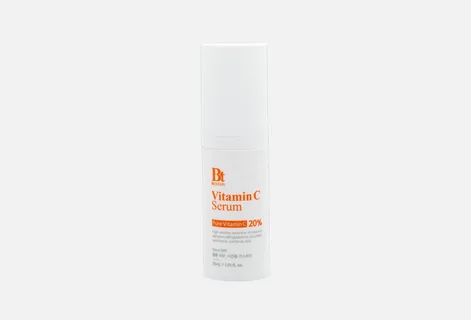
This combination deserves special attention.
Vitamin C does not replace sunscreen.
If the goal is to protect the skin from UV exposure and visible photoaging, sunscreen remains an essential part of daytime skincare.
Vitamin C may complement a sunscreen routine because of its antioxidant properties, but the products are not interchangeable.
Think of them as different tools with different jobs.
Can Vitamin C Help Dark Spots?
Vitamin C has been studied for pigmentation because of its effects on melanin production.
Some clinical research has found improvements in pigmentation with topical vitamin C, although results can vary depending on the formulation and condition being treated. A 2023 systematic review found depigmenting effects in studies of topical vitamin C and noted that longer use may be needed for noticeable changes.
Dark spots can have many causes, however.
Sun exposure, acne-related pigmentation, hormonal conditions, medications, and other factors can contribute.
If pigmentation is persistent, worsening, or difficult to identify, professional evaluation can be more useful than trying multiple cosmetic products.
Vitamin C and Acne Marks
People often use vitamin C after acne because they want to improve the appearance of leftover marks.
Vitamin C may help with pigmentation, but it is not a complete acne treatment.
If active acne is still occurring, treating the underlying acne may be more important than focusing only on old marks.
A simple routine can often be easier to manage than using many strong products at once.
Vitamin C and Fine Lines
Anti-aging is another major reason people choose vitamin C serum.
The ingredient has biological links to collagen production and has been studied for photoaged skin. Clinical research has reported improvements in some measures of photoaging, but the evidence is not uniform across every formulation.
A 2023 systematic review of vitamin C and wrinkle appearance found that the available studies showed potential benefits but also noted important limitations, including the use of combination formulations that make it difficult to isolate vitamin C’s individual effect.
That is an important point.
Good skincare information should distinguish between promising evidence and guaranteed results.
How Long Does Vitamin C Take to Work?
There is no universal timeline.
Some people may notice a fresher or brighter appearance relatively early, while pigmentation and photoaging concerns can take longer.
Clinical studies have used different formulations, concentrations, treatment periods, and measurement methods, making it difficult to give one exact number of days for every product.
Consistency matters.
Using a suitable product regularly is generally more reasonable than applying a large amount occasionally and expecting immediate transformation.
Common Mistakes With Vitamin C Serum
One common mistake is buying a product based only on a high percentage.
Another is storing the serum in direct sunlight or heat.
Some users also apply too many active ingredients simultaneously.
Another problem is expecting a serum to solve every skin concern.
Vitamin C can be useful, but it is only one ingredient.
A balanced routine should also consider cleansing, moisturizing, sun protection, and the specific needs of the individual.
Mixing Vitamin C With Other Skincare Ingredients
Vitamin C can be used alongside many skincare ingredients, but the exact combination matters.
Some people use vitamin C with moisturizers and sunscreen without problems.
Others may experience irritation when they combine multiple active products.
If you are using ingredients such as retinoids, exfoliating acids, benzoyl peroxide, or other strong actives, it may be easier to introduce them gradually rather than starting everything at the same time.
When the skin becomes irritated, it can be difficult to determine which product caused the problem if several new products were introduced together.
Vitamin C and Niacinamide
Vitamin C and niacinamide are both popular skincare ingredients.
Older skincare discussions sometimes suggested that they should never be combined.
Modern formulations are more sophisticated, and many products are designed to contain multiple active ingredients.
Whether a particular combination works for you depends on the formulation and your skin.
There is no need to follow outdated skincare myths without considering the actual product.
Vitamin C and Retinol
Retinol and vitamin C are both widely used in skincare routines, but they can be powerful additions.
Some people prefer vitamin C in the morning and retinol at night.
This approach can make a routine easier to organize and may reduce the number of active products layered at one time.
However, people with sensitive skin may need a slower introduction.
The best routine is the one that provides useful benefits without causing persistent irritation.
Vitamin C and Hyaluronic Acid
Hyaluronic acid is commonly used for hydration, while vitamin C is used for antioxidant and other skincare purposes.
These ingredients can be found together in many modern products.
Using a hydrating ingredient alongside vitamin C can also make a routine feel more comfortable for people who experience dryness.
Again, the complete formulation matters more than simply counting ingredients.
What to Look for When Buying a Vitamin C Serum
Instead of choosing a product only because it has attractive packaging, consider several details.
Look at the type of vitamin C.
Check the concentration.
Review the ingredient list.
Consider the packaging.
Read the manufacturer’s storage instructions.
Think about your skin type.
Check whether the product contains additional ingredients that you already know your skin tolerates.
It can also be useful to avoid buying more products than you can realistically use.
A simple routine that you follow consistently is often more practical than a complicated shelf full of products.
Packaging Matters
Vitamin C is sensitive to oxidation, so packaging is important.
Opaque or dark containers can help protect sensitive formulations from light.
Airless packaging can also reduce repeated exposure to air in some product designs.
A clear bottle sitting in a hot, sunny bathroom may not be the ideal environment for a sensitive vitamin C formulation.
The packaging should match the needs of the ingredient.
Does Expensive Mean Better?
Not necessarily.
Price alone does not determine whether a vitamin C serum is suitable.
A very expensive product may contain an elegant formulation, but a lower-priced product may also have a sensible formula.
Look at the ingredients, formulation, packaging, reputation of the manufacturer, and how your skin responds.
Good skincare does not always require luxury pricing.
Vitamin C Serum for Different Skin Types
Different skin types may prefer different textures.
Oily skin may feel more comfortable with lightweight, water-based serums.
Dry skin may prefer a serum combined with moisturizing ingredients.
Combination skin can require a middle ground.
Sensitive skin may benefit from a lower-irritation formulation or a vitamin C derivative.
There is no single “best” vitamin C serum for everyone.
The right choice depends on the person’s skin, routine, tolerance, and goals.
Is Vitamin C Serum Safe?
Topical vitamin C is generally considered a well-tolerated cosmetic ingredient, but irritation can still occur.
Possible problems include redness, dryness, itching, stinging, or burning.
The likelihood can depend on concentration, formulation, skin sensitivity, and other products being used.
If severe irritation occurs, stop using the product and seek appropriate professional advice.
People with persistent skin problems should not rely entirely on cosmetic products for diagnosis or treatment.
Vitamin C for Men and Women
Vitamin C skincare is not limited to one gender.
Skin concerns such as pigmentation, sun exposure, dullness, fine lines, and uneven tone can affect anyone.
The better way to choose a product is by skin type and concern rather than marketing categories.
A serum does not need to be labeled specifically for men or women to be useful.
Vitamin C for Different Ages
People may use vitamin C at different stages of life.
Younger users may focus on environmental protection and maintaining a healthy-looking complexion.
Older users may be more interested in pigmentation, photoaging, and fine lines.
However, age alone does not determine whether someone needs vitamin C.
Skin condition, lifestyle, sun exposure, and individual goals are more relevant.
Why Consistency Matters
Skincare products are often judged too quickly.
Someone may use a product for three days and decide it does not work.
That is usually not enough time to evaluate changes related to pigmentation or photoaging.
Many skincare benefits develop gradually.
Research on topical vitamin C has involved treatment periods ranging from weeks to months, depending on the condition being studied.
This is why realistic expectations are important.
A Simple Vitamin C Routine
A straightforward routine might look like this:
In the morning, cleanse gently if needed.
Apply vitamin C serum according to the product instructions.
Use moisturizer if required.
Finish with broad-spectrum sunscreen.
At night, cleanse the skin and use your chosen moisturizer or other suitable products.
This routine does not need to contain ten different products.
In many cases, simplicity makes consistency easier.
When to Stop Using a Vitamin C Serum
A product should not be treated as something you must continue using regardless of how your skin reacts.
If you develop significant irritation, persistent burning, swelling, or another concerning reaction, stop using the product and seek appropriate advice.
A skincare routine should support the skin, not constantly fight against it.
Vitamin C Serum: What It Can and Cannot Do
Vitamin C can be useful for several skincare goals.
It has antioxidant properties.
It has been studied for photoaging.
It has been studied for pigmentation.
It is involved in collagen-related processes.
It may contribute to a brighter and more even-looking complexion.
But it cannot replace every other part of skincare.
It is not sunscreen.
It is not a complete acne treatment.
It cannot guarantee wrinkle removal.
It cannot permanently stop skin aging.
It is also not a substitute for professional medical treatment when a skin condition requires diagnosis or prescription therapy.
Keeping these limits in mind helps create realistic expectations.
The Future of Vitamin C Skincare
Research into vitamin C continues.
Scientists are studying different derivatives, delivery systems, stabilization methods, and combinations with other ingredients.
Recent reviews continue to highlight formulation as a major area of interest because vitamin C can be chemically unstable and its effectiveness can vary according to how it is delivered to the skin.
This means future vitamin C products may focus less on simply increasing the percentage and more on improving stability, delivery, tolerability, and measurable results.
That could make vitamin C skincare more predictable for consumers.
Frequently Asked Questions
What is vitamin C serum used for?
Vitamin C serum is commonly used as part of skincare routines focused on antioxidant support, uneven pigmentation, photoaging, and a brighter-looking complexion. Research has also examined its role in collagen-related processes.
Can I use vitamin C serum every day?
Many vitamin C products are designed for regular use, but the exact frequency depends on the formulation and your skin’s tolerance. Follow the product instructions and introduce stronger formulations gradually if needed.
Is vitamin C serum good for dark spots?
Topical vitamin C has been studied for pigmentation and may help improve the appearance of some dark spots over time. Results vary, and persistent pigmentation may require professional evaluation.
Can vitamin C replace sunscreen?
No. Vitamin C serum and sunscreen serve different purposes. Vitamin C may provide antioxidant support, while sunscreen is designed to protect the skin from UV radiation.
Should vitamin C serum be used in the morning?
Morning use is common because vitamin C provides antioxidant activity and can complement a daytime sunscreen routine. However, the best timing can depend on the product and the rest of your skincare routine.
Can sensitive skin use vitamin C?
Some people with sensitive skin can use vitamin C, particularly gentler formulations or derivatives. However, irritation is possible, so introducing the product gradually can be sensible.
Why does my vitamin C serum turn yellow?
Some vitamin C formulations change color as they oxidize. A significant change in color can indicate that the product has changed, although the exact meaning depends on the formulation. Check the manufacturer’s guidance.
How long does vitamin C serum take to show results?
There is no universal timeline. Changes in brightness may be noticed earlier, while pigmentation and photoaging concerns can take longer. Research studies have often evaluated topical vitamin C over weeks or months rather than a few days.
Can I use vitamin C with moisturizer?
Yes. Vitamin C serum and moisturizer serve different roles and can commonly be included in the same routine.
Is a higher vitamin C percentage always better?
No. Concentration is only one part of a formulation. Stability, pH, delivery system, packaging, and skin tolerance also matter.
Final Thoughts
Vitamin C serum has earned its place in modern skincare because it combines several interesting properties in one ingredient. Its antioxidant activity, relationship with collagen, and potential effects on pigmentation and photoaged skin have made it the subject of substantial dermatological research.
At the same time, vitamin C is not a magic ingredient.
The quality of a serum depends on its formulation, stability, concentration, packaging, and how well it suits the person using it. A product that works beautifully for one person may not be the right choice for someone with very sensitive skin.
The smartest approach is to keep expectations realistic, introduce products carefully, protect the skin from the sun, and focus on consistency rather than chasing instant results.
A good vitamin C serum should fit naturally into a broader skincare routine rather than become the entire routine.
When used thoughtfully, it can be a useful addition for people who want to support a brighter, more even, and healthier-looking complexion.











Leave a Reply