
Introduction
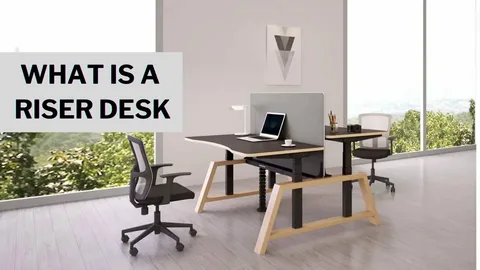
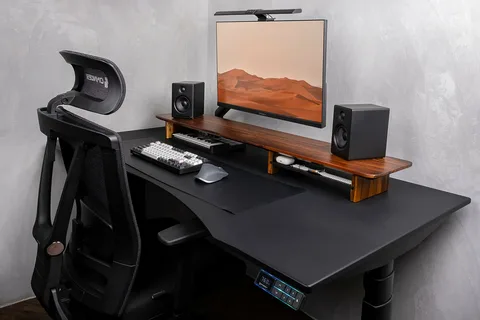
As modern workplaces continue to evolve, ergonomics and employee well-being have become increasingly important. Many professionals spend long hours sitting at desks, which can contribute to poor posture, back pain, neck stiffness, reduced productivity, and other health concerns. To address these challenges, ergonomic office furniture has gained widespread popularity, and one of the most practical solutions is the riser desk, also known as a standing desk converter.
A riser desk is a height-adjustable platform that sits on top of an existing desk, allowing users to alternate between sitting and standing while working. Unlike a full standing desk that replaces traditional office furniture, a riser desk converts a standard desk into a flexible workstation without requiring significant renovations or expense. Its convenience, affordability, and ease of installation have made it a popular choice for offices, home workspaces, schools, and creative studios.
This comprehensive guide explains what a riser desk is, how it works, its key features, benefits, different types, setup recommendations, ergonomic practices, maintenance tips, and how to choose the right model for your workspace.
What Is a Riser Desk?
A riser desk is an adjustable workstation accessory designed to raise your computer, keyboard, monitor, and other work essentials to a comfortable standing height. Instead of replacing your existing desk, the riser is placed on top of it and can be raised or lowered depending on your preferred working position.
Most riser desks use mechanical springs, gas-assisted lifting systems, or electric motors to provide smooth height adjustment. This flexibility allows users to switch between sitting and standing throughout the workday, encouraging movement and reducing the strain associated with prolonged sitting.
Because of their practical design, riser desks are commonly used in offices, remote work environments, educational institutions, healthcare facilities, and creative workspaces.
How Does a Riser Desk Work?
A riser desk is designed to move vertically while remaining stable. The platform raises your monitor and keyboard simultaneously, helping maintain an ergonomic posture whether sitting or standing.
Most models include:
- A monitor platform.
- A keyboard tray.
- Height adjustment mechanism.
- Stable support frame.
- Locking system for secure positioning.
Some advanced models offer electric height adjustment, while others rely on manual lifting systems with spring assistance.
Benefits of Using a Riser Desk
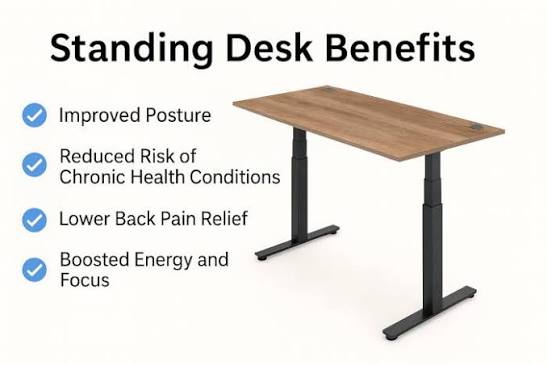
Riser desks have become popular because they support healthier and more flexible work habits.
Major benefits include:
Improved Posture
Proper monitor height helps reduce neck strain and encourages better spinal alignment.
Reduced Back Pain
Alternating between sitting and standing may reduce discomfort caused by remaining in one position for extended periods.
Increased Movement
Standing periodically encourages circulation and promotes regular movement throughout the day.
Greater Productivity
Many users report improved focus and energy after incorporating standing intervals into their work routine.
Flexible Workspace
A riser desk allows you to upgrade your existing desk without replacing your office furniture.
Types of Riser Desks
Several styles are available depending on workspace requirements.
Manual Riser Desk
These models use springs or mechanical levers for height adjustment. They are affordable, reliable, and easy to maintain.
Gas Spring Riser Desk
Gas-assisted mechanisms provide smoother lifting and require minimal effort to adjust.
Electric Riser Desk
Electric models raise and lower automatically using quiet motors and push-button controls.
Compact Riser Desk
Designed for smaller workspaces, compact risers accommodate laptops or single-monitor setups.
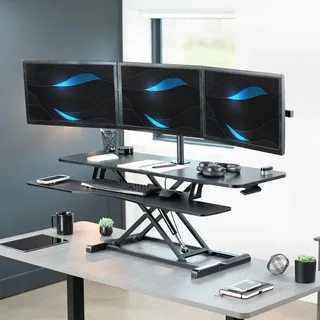
Large Dual-Monitor Riser
These models support multiple monitors and additional office equipment for professional workstations.
Key Features to Consider
When selecting a riser desk, several features deserve careful consideration.
Look for:
- Adjustable height range.
- Stable construction.
- Smooth lifting mechanism.
- Spacious work surface.
- Keyboard tray.
- Cable management.
- Weight capacity.
- Easy assembly.
Choosing the right combination of features ensures long-term comfort and usability.
Ergonomic Best Practices
Using a riser desk effectively requires proper ergonomic setup.
Recommended practices include:
- Position the monitor at eye level.
- Keep elbows to 90-degree angle.
- Maintain relaxed shoulders.
- Keep wrists in a neutral position.
- Stand evenly on both feet.
- Wear supportive footwear.
- Alternate sitting, standing every 30 to 60 minutes.
These habits help maximize comfort and reduce physical strain.
Who Can Benefit from a Riser Desk?
A riser desk is suitable for a wide range of users.
Common users include:
- Office professionals.
- Remote workers.
- Students.
- Graphic designers.
- Software developers.
- Writers.
- Architects.
- Teachers.
- Healthcare administrators.
Anyone who spends significant time at a computer may benefit from a more ergonomic workstation.
Common Mistakes to Avoid
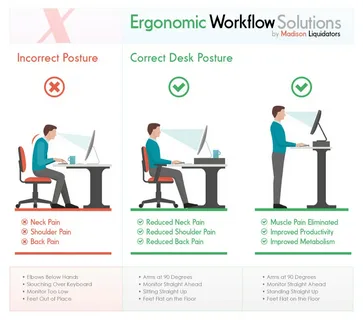
To get the most from a riser desk, avoid these common errors:
- Standing for excessively long periods without breaks.
- keep the monitor too low or too high.
- Ignoring proper keyboard positioning.
- Using poor posture.
- Forgetting to stretch throughout the day.
- Overloading the platform beyond its weight limit.
Maintaining proper ergonomics is just as important as owning adjustable equipment.
Maintenance Tips
Regular maintenance helps extend the life of a riser desk.
Recommended care includes:
- Cleaning surfaces regularly.
- Checking moving parts.
- Tightening loose hardware.
- Avoiding excessive weight.
- Inspecting lifting mechanisms.
- Following the manufacturer’s maintenance instructions.
Proper care helps ensure reliable performance for years.
Future Trends in Ergonomic Workstations
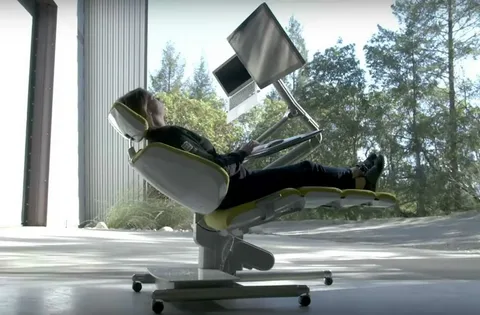
As workplace technology advances, ergonomic furniture continues to evolve.
Emerging trends include:
- Smart electric adjustment systems.
- Memory height presets.
- Wireless charging surfaces.
- Integrated cable management.
- Sustainable construction materials.
- AI-assisted posture monitoring.
- Modular workstation designs.
These innovations aim to create healthier and more productive work environments.
SEO Importance of the Keyword “What Is a Riser Desk”
The keyword “What Is a Riser Desk” is commonly searched by individuals looking to improve workplace ergonomics, create healthier home offices, or understand the differences between standing desks and desk converters. Publishing comprehensive, informative, and user-focused content on this topic helps answer common questions while improving search engine visibility for office furniture, ergonomic equipment, and workplace wellness.
Conclusion
A riser desk is a practical and cost-effective solution for anyone seeking a more flexible and ergonomic workspace. By allowing users to alternate between sitting and standing, it promotes better posture, encourages movement, and helps create a more comfortable working environment without requiring the purchase of a completely new desk.
Whether you work from home, manage an office, study for long hours, or spend your day using a computer, investing in a high-quality riser desk can significantly improve comfort, productivity, and overall workplace ergonomics. By selecting the right model and following proper ergonomic practices, you can build a healthier workstation that supports both efficiency and long-term well-being.












Leave a Reply