
Introduction
The Tooth Fairy is one of the most beloved characters in childhood folklore. For generations, children have grown up hearing stories about a magical visitor who arrives during the night, collects a lost baby tooth, and leaves a small reward in its place. For many families, this simple tradition becomes a memorable part of growing up.
Losing a baby tooth is an important milestone in a child’s life. It usually means that the child is getting older and that permanent teeth are beginning to replace the first set of teeth. Although this natural process is exciting, it can sometimes make children nervous. A loose tooth may feel strange, and the thought of losing it can create a mixture of curiosity and uncertainty.
The Tooth Fairy tradition makes this experience more enjoyable. Parents often encourage children to place their lost teeth under their pillows before going to sleep. During the night, according to the familiar story, the Tooth Fairy visits, takes the tooth, and leaves a coin, note, or small present.
What makes the tradition special is not the value of the reward. It is the excitement, imagination, and family memories surrounding the experience. Children may spend the entire evening wondering when the Tooth Fairy will arrive and what surprise they might discover in the morning.
The story has also developed over time. Different families have their own versions, and some cultures have completely different traditions involving lost baby teeth. Understanding the Tooth Fairy means exploring childhood folklore, family customs, dental development, and the importance of imagination.
This article explores the history of the Tooth Fairy, how the tradition works, why children enjoy it, creative ways to celebrate lost teeth, and how parents can make the experience meaningful.
What Is the Tooth Fairy?
The Tooth Fairy is a fictional magical character associated with the loss of children’s baby teeth. In the most familiar version of the story, the character visits a child while they are sleeping, collects a recently lost tooth, and leaves a small reward.
The tradition is especially popular in the United States, Canada, the United Kingdom, Australia, and other English-speaking communities.
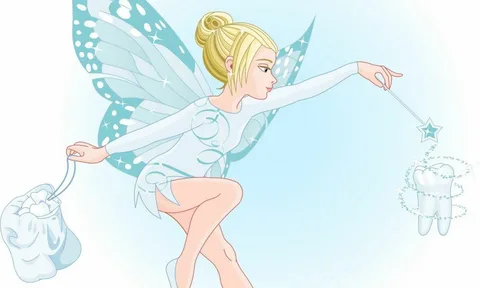
Although the Tooth Fairy is commonly imagined as a tiny winged woman carrying a wand or a small bag, there is no single official appearance.
Some stories describe the character as a little fairy with sparkling wings. Others imagine a friendly magical visitor who quietly enters bedrooms and collects teeth from beneath pillows.
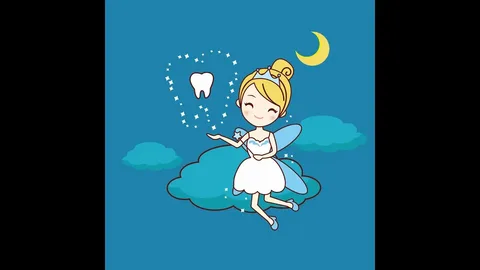
Families often create their own explanations. Some children believe the Tooth Fairy uses the collected teeth to build magical castles, while others imagine that the teeth become stars or special decorations in a fairy kingdom.
These details are part of the imaginative nature of the tradition.
The Tooth Fairy is not a real person or a scientifically established character. Instead, she is part of a cultural story that helps children celebrate a natural stage of development.
The History of the Tooth Fairy
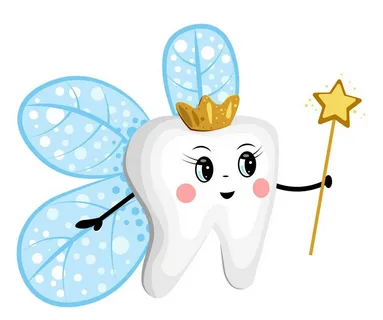
The Tooth Fairy did not appear suddenly as a fully developed character. The modern tradition grew from older customs and beliefs surrounding children’s lost teeth.
Across different societies, people have developed unusual ways of handling baby teeth. Some traditions involved throwing teeth onto rooftops, placing them in special locations, or giving them to animals.
These customs often reflected beliefs about health, luck, protection, and the arrival of adult teeth.
Early Traditions Involving Lost Teeth
Before the modern Tooth Fairy became popular, families in different parts of the world had their own customs.
In some European traditions, children were encouraged to throw their lost teeth into the direction of a mouse or another animal. The animal was sometimes believed to help the replacement tooth grow strong.
In certain cultures, parents placed lost teeth in particular locations because they believed this could influence the child’s future dental health.
These practices were not identical, and their meanings varied between communities.
Nevertheless, they demonstrate that losing a baby tooth has long been considered an event worth celebrating.
The Development of the Modern Tooth Fairy
The modern Tooth Fairy is closely connected with traditions that developed in Western Europe and North America.
One important influence was the French fairy tale tradition. A story known as La Bonne Petite Souris featured a magical mouse that helped a queen by hiding beneath a pillow and damaging an evil king’s teeth.
The idea of placing a lost tooth beneath a pillow gradually became associated with children’s rewards.
Over time, the magical mouse was replaced or accompanied by the image of a fairy.
The Tooth Fairy became especially familiar in American popular culture during the twentieth century. Parents, children’s stories, magazines, and entertainment helped establish the familiar idea of exchanging a baby tooth for money.
Today, the Tooth Fairy is recognised as a common childhood tradition, although individual families interpret the story differently.
Why Do Children Believe in the Tooth Fairy?
Children are naturally curious about the world around them. During early childhood, imagination plays an important role in how they understand new experiences.
The Tooth Fairy provides a simple story that makes losing a tooth feel exciting rather than frightening.
Making an Unusual Experience Feel Special
A loose tooth can feel unfamiliar. Some children may worry when they notice blood or discover that their tooth is moving.
The Tooth Fairy story changes the experience into something positive.
Instead of thinking only about losing a tooth, children begin looking forward to a special nighttime visit.
Encouraging Imagination
The idea of a tiny magical visitor creates opportunities for storytelling.
Children may imagine where the Tooth Fairy lives, how she travels, and what happens to the teeth she collects.
Parents can encourage these conversations without needing to establish complicated rules about the character.
Creating Positive Family Memories
For many parents, the Tooth Fairy tradition becomes a family activity.
They may prepare small envelopes, write handwritten notes, or leave a special coin beneath the child’s pillow.
Years later, children may remember these little surprises as some of their favourite childhood experiences.
Celebrating Growing Up
Losing baby teeth is a visible sign that childhood development is progressing.
The Tooth Fairy gives families a fun way to recognise this milestone.
It can also encourage children to feel proud of their growing independence.
How Does the Tooth Fairy Tradition Work?
The traditional Tooth Fairy experience usually follows a simple routine.
Although families may change the details, the basic idea remains similar.
Step 1: A Child Loses a Baby Tooth
A child notices that one of their teeth has become loose.
This commonly happens around the age of six, although the timing differs between children.
Eventually, the tooth falls out naturally.
Step 2: The Tooth Is Cleaned
Parents may help the child gently clean the tooth.
The child can look at it and notice its small size.
This is also an opportunity to explain that baby teeth are temporary and permanent teeth will gradually take their place.
Step 3: The Tooth Goes Under the Pillow
The child places the tooth beneath their pillow before bedtime.
Some families use a small envelope or special tooth container to make it easier to find.
Step 4: The Tooth Fairy Arrives
According to the traditional story, the Tooth Fairy visits while the child sleeps.
Parents usually take the tooth and leave a small surprise.
Step 5: The Child Discovers the Surprise
The next morning, the child checks beneath the pillow.
Finding a coin, note, or little present can create an exciting moment.
For many children, this becomes a story they eagerly share with family and friends.
What Does the Tooth Fairy Look Like?
There is no official description of the Tooth Fairy.
Her appearance changes depending on the story, illustration, film, or family tradition.
However, several features appear frequently in popular representations.
A Small Magical Figure
The Tooth Fairy is often portrayed as a tiny person who can travel easily around a child’s bedroom.
Her small size helps explain how she can quietly visit children without disturbing them.
Sparkling Wings
Many illustrations show the Tooth Fairy with delicate wings.
These wings are usually inspired by butterflies or other small flying insects.
They help communicate the character’s magical nature.
A Beautiful Dress
Some artists portray her wearing a colourful dress with glittering details.
Pink, purple, blue, and white are common colours in children’s illustrations.
A Wand or Magic Dust
A wand is another popular feature.
In imaginative stories, it allows the Tooth Fairy to perform magical tasks and travel between different places.
However, these are artistic choices rather than established facts about a traditional character.
Tooth Fairy Traditions Around the World
One of the most interesting things about the Tooth Fairy is that not every culture celebrates lost baby teeth in the same way.
Different communities have developed their own customs.
A 2024 review of cultural traditions identified 74 different practices associated with lost primary teeth, grouped into seven broad categories. These included giving teeth to fairies, mice, animals, throwing them, burying them, hiding them, and other practices. PMC+1
Why Does the Tooth Fairy Need Our Teeth? | Fiction
Los mejores cuentos del Ratoncito Pérez para niños – Cleardent
13
United States
In the United States, the familiar tradition involves placing a lost tooth under a pillow.
The Tooth Fairy visits during the night and leaves money or a small gift.
Some families also leave handwritten notes congratulating children on losing their teeth.
United Kingdom
British families commonly follow a similar pillow tradition.
Children may place their teeth under their pillows or inside small containers.
The reward is often a coin, although some parents choose a different surprise.
France
In France, a character known as La Petite Souris, meaning the Little Mouse, traditionally collects children’s lost teeth.
Instead of a fairy, a magical mouse visits during the night and leaves a reward.
This tradition demonstrates how different cultures can celebrate the same childhood milestone using different characters.
Spain and Latin America
In Spain and several Latin American countries, children may know the character Ratoncito Pérez.
This little mouse collects baby teeth and leaves money or presents.
The character has become an important part of children’s folklore in Spanish-speaking communities.
Sweden
Swedish families have traditions involving placing a lost tooth in a glass of water.
In some versions, a magical visitor takes the tooth and leaves a coin.
Other Cultural Traditions
In other parts of the world, children may throw their lost teeth onto rooftops, bury them, or give them to animals.
Some traditions involve asking birds or other creatures to bring strong replacement teeth.
These customs reflect different cultural beliefs about growth, luck, and health. British Dental Journal+1
The interesting lesson is that children everywhere experience the same natural process, but families celebrate it in many different ways.
How Much Money Does the Tooth Fairy Leave?

The amount left by the Tooth Fairy varies between families and countries.
There is no official payment amount.
Some parents leave a small coin, while others choose a larger reward depending on their family budget and personal preferences.
The important thing is to keep the tradition enjoyable rather than turning it into a competition.
Factors That Influence the Reward
Several things may influence what parents decide to leave.
Family Budget: Every household has different financial circumstances. A small reward can be just as exciting as a larger one.
Family Tradition: Some families give the same amount for every tooth, while others make the first lost tooth a particularly special occasion.
Child’s Age: Parents may choose different rewards depending on the child’s age and understanding.
Personal Preferences: Some children prefer small toys, stickers, or colourful notes instead of money.
Should Every Tooth Receive the Same Reward?
There is no fixed rule.
Some parents give the same reward for each lost tooth to keep things simple and consistent.
Others celebrate the first tooth with a slightly bigger surprise.
Both approaches can work.
The best choice is one that feels comfortable for the family and does not create unnecessary pressure.
Creative Tooth Fairy Ideas for Parents
Parents do not need expensive decorations or elaborate gifts to make the Tooth Fairy experience memorable.
Small details can create a wonderful surprise.
Here are several ideas worth considering.
1. Write a Personal Tooth Fairy Letter
A handwritten letter can make the experience more meaningful.
The note might congratulate the child, mention their bravery, and encourage them to continue taking care of their teeth.
A personal message often feels more special than an ordinary reward.
2. Use a Special Tooth Fairy Envelope
Prepare a small envelope decorated with stars, hearts, or fairy illustrations.
The child can place their tooth inside before going to bed.
This also makes the tooth easier for parents to locate.
3. Leave a Little Trail of Fairy Dust
Parents can create a magical atmosphere using safe decorative materials.
For example, a few paper stars near the pillow can suggest that a special visitor has arrived.
Avoid loose glitter or small objects that could be inhaled or swallowed by young children.
4. Give a Special Tooth Box
A small keepsake box can help children store their lost teeth.
Some families prefer to preserve baby teeth rather than exchange every one for money.
A personalised box can become a treasured childhood possession.
5. Create a Tooth Fairy Certificate
A certificate recognising the first lost tooth can make the event feel important.
It could include:
- Child’s name.
- Date the tooth was lost.
- Number of teeth lost.
- A congratulatory message.
- A small Tooth Fairy signature.
6. Leave a Positive Oral Hygiene Message
Parents can use the occasion to encourage healthy habits.
A short note might remind the child to brush twice daily and look after their new permanent teeth.
The message should feel encouraging rather than like a lecture.
A Sample Tooth Fairy Letter
Here is an example of a simple letter parents can leave beneath a child’s pillow.
Dear Little Friend,
What a wonderful surprise! I found your beautiful little tooth waiting beneath your pillow.
Losing your first tooth is a special moment, and you should feel very proud of yourself. You are growing bigger every day, and your smile is becoming even more special.
Remember to brush your teeth every morning and night, take good care of your new grown-up teeth, and keep smiling.
Thank you for sharing your little tooth with me. I hope you enjoy your surprise!
With magical wishes,
Your Tooth Fairy ✨
The Tooth Fairy and Children’s Dental Health
Although the Tooth Fairy is a fictional character, the tradition can provide a useful opportunity to teach children about dental health.
Baby teeth play an important role in childhood development.
They help children chew food, support speech development, and maintain space for permanent teeth.
Parents should explain that losing baby teeth is a normal process.
Understanding Baby Teeth
Children usually develop 20 primary teeth.
These teeth generally begin appearing during infancy.
As children grow, permanent teeth gradually develop beneath the gums and replace the primary teeth.
The timing varies, but many children begin losing baby teeth around six years of age.
The process often continues until approximately 12 years old, although individual experiences differ.
Encouraging Regular Brushing
The Tooth Fairy tradition can be connected with everyday dental care.
Parents can encourage children to:
- Brush their teeth twice a day.
- Use an age-appropriate fluoride toothpaste.
- Clean between teeth as appropriate.
- Limit frequent sugary snacks and drinks.
- Visit a dentist regularly.
Making oral hygiene part of a normal daily routine helps children develop habits that can benefit them throughout life.
Explaining Why Permanent Teeth Matter
Permanent teeth are intended to last much longer than baby teeth.
Children should understand that their new teeth need proper care.
Parents can explain that brushing, healthy eating, and dental check-ups help protect their smiles.
What If a Tooth Comes Out Too Early?
Not every lost baby tooth falls out naturally at the expected age.
Sometimes a tooth may be lost because of an accident, decay, or another dental issue.
If a child loses a tooth unusually early, parents should contact a dentist for advice.
A dentist can determine whether the tooth was ready to fall out or whether further examination is needed.
What Should Parents Do When a Child Loses Their First Tooth?
The first lost tooth can be an emotional moment for both children and parents.
Some children become excited immediately, while others feel nervous or confused.
Parents can make the experience easier by responding calmly.
Stay Positive
Congratulate the child and explain that losing baby teeth is a normal part of growing up.
Avoid making the experience sound frightening.
Explain What Is Happening
Use simple language.
Explain that the baby tooth has completed its job and that a permanent tooth will eventually take its place.
Do Not Force a Loose Tooth
A loose tooth should generally be allowed to fall out naturally.
Children should not be encouraged to pull a tooth forcefully.
If there is significant pain, swelling, or unusual bleeding, seek dental advice.
Celebrate the Milestone
Parents can take a photograph, write down the date, or prepare a small surprise.
These little actions can turn an ordinary childhood event into a lasting memory.
What Happens If a Child Swallows a Baby Tooth?
Sometimes a child accidentally swallows a loose baby tooth.
This can happen during eating, playing, or sleeping.
In many cases, a small swallowed tooth passes through the digestive system naturally.
However, parents should seek medical advice if the child experiences breathing difficulties, choking, persistent coughing, severe abdominal pain, or other concerning symptoms.
If there is any concern that the tooth entered the airway, urgent medical assessment is important.
Parents should also avoid trying to make a child vomit.
What If the Tooth Fairy Forgets to Visit?
This is a common situation for parents.
After a busy day, it is possible to forget to exchange the tooth for a surprise.
Fortunately, there are simple ways to handle the situation.
Avoid Making the Child Feel Disappointed
If the child wakes up and finds the tooth still beneath the pillow, remain calm.
A parent can explain that sometimes magical visitors have very busy nights.
Leave a Note Later
A small note can turn the situation into another enjoyable moment.
For example, the note might say that the Tooth Fairy had a very busy journey and will return soon.
Keep the Explanation Simple
There is no need to create a complicated story.
Children generally appreciate a kind and reassuring response.
The main goal is to preserve the positive experience.
What If a Child Questions Whether the Tooth Fairy Is Real?
As children grow older, they naturally begin asking more questions about magical characters.
Some may hear different explanations from friends or siblings.
Others may start noticing that their parents know exactly where the tooth is placed.
There is no single correct way to respond.
Parents can consider the child’s age, personality, and emotional needs.
Encourage Questions
Allow children to express their thoughts without making them feel embarrassed.
Questions are a normal part of learning and development.
Respect Their Imagination
If a child still enjoys the tradition, parents can continue participating in a way that feels appropriate.
Be Honest When the Time Comes
If a child directly asks whether the Tooth Fairy is real, parents can explain that she is a traditional imaginary character created to make losing baby teeth more exciting.
They can also explain that parents help create the surprise because they enjoy celebrating their children’s milestones.
This approach allows the family to preserve the positive meaning of the tradition without making the child feel foolish for believing in it.
The Tooth Fairy in Books, Movies, and Popular Culture
The Tooth Fairy has become a familiar figure in children’s entertainment.
Books, cartoons, films, and television programmes have helped introduce the character to new generations.
Tooth Fairy Traditions Around the World: Magical Cust | TMLB
El origen de los guardianes | Películas y Series La Vanguardia
13
Children’s Storybooks
Picture books often present the Tooth Fairy as a friendly character who helps children overcome their fear of losing teeth.
These stories may focus on courage, growing up, kindness, and imagination.
Animated Entertainment
Animated programmes sometimes portray the Tooth Fairy as part of a larger magical world.
Her character may have special powers, magical friends, and adventures involving children.
Movies
The Tooth Fairy has also appeared in family entertainment and comedy films.
One well-known example is Tooth Fairy (2010), which uses the character in a humorous story about responsibility and imagination.
Toys and Decorations
The popularity of the character has inspired many children’s products.
These include fairy dolls, tooth-shaped keepsake boxes, pillows, decorative envelopes, and storybook collections.
Such products allow families to create their own versions of the tradition.
Interesting Facts About the Tooth Fairy
The Tooth Fairy has a surprisingly interesting background.
Here are some facts that make the tradition even more fascinating.
1. The Tooth Fairy is a relatively modern character compared with many older childhood folklore traditions.
2. The familiar pillow-and-reward custom became popular during the twentieth century.
3. A specific Tooth Fairy character appeared in a 1949 story by Lee Rogow in Collier’s Weekly. PMC+1
4. Not every country has a fairy associated with lost baby teeth.
5. France is well known for its Little Mouse tradition.
6. In Spanish-speaking cultures, Ratoncito Pérez is a familiar tooth-collecting character.
7. Some families prefer to keep baby teeth as childhood keepsakes.
8. The first lost baby tooth is often considered a particularly memorable milestone.
9. Parents sometimes create personalised Tooth Fairy letters and certificates.
10. The tradition can be used to encourage positive conversations about dental health.
Frequently Asked Questions About the Tooth Fairy
1. Is the Tooth Fairy real?
The Tooth Fairy is a fictional character from childhood folklore. Parents traditionally use the story to make losing baby teeth a fun and memorable experience.
2. What does the Tooth Fairy do with lost teeth?
There is no official answer. Different stories suggest that she uses the teeth to build magical castles, decorate fairy homes, or create special objects.
These ideas are part of imaginative storytelling.
3. When should children start believing in the Tooth Fairy?
There is no specific age. Families may introduce the tradition when children begin losing their first baby teeth, usually around six years old.
4. How much money does the Tooth Fairy leave?
There is no standard amount. Some parents leave a small coin, while others choose a larger reward or a little present.
5. Does the Tooth Fairy visit every child?
The Tooth Fairy is a fictional tradition, so different families decide whether and how to celebrate it.
6. Where should a child put a lost tooth?
The traditional place is beneath the pillow. Some families use a special envelope, small box, or bedside container.
7. What is the Tooth Fairy called in France?
The French character is known as La Petite Souris, which means the Little Mouse.
8. What is Ratoncito Pérez?
Ratoncito Pérez is a popular mouse character associated with children’s lost teeth in Spain and several Latin American countries.
9. How many baby teeth do children have?
Children generally develop 20 primary teeth.
10. At what age do children usually lose their first tooth?
Many children lose their first baby tooth at around six years old, although some lose one earlier or later.
11. Does the Tooth Fairy collect damaged teeth?
Traditional stories do not establish a fixed rule about the condition of collected teeth. Families can decide how to handle the situation.
12. What happens if a child loses a tooth at school?
The child can take the tooth home in a small container or envelope and place it beneath their pillow later.
13. Can the Tooth Fairy leave something other than money?
Absolutely. Small toys, stickers, handwritten notes, and keepsakes are all possible alternatives.
14. What if a child loses a tooth before bedtime?
The tooth can simply be placed in an envelope or special container until bedtime.
15. Why is the Tooth Fairy tradition important?
It gives families a way to celebrate childhood development, encourage imagination, and create positive memories around losing baby teeth.
Conclusion
The Tooth Fairy is much more than a character who exchanges lost baby teeth for money. She represents a childhood tradition built around imagination, family memories, and an important stage of growing up.

Although the familiar fairy-and-pillow story became popular relatively recently, traditions involving lost baby teeth have existed in different cultures for generations. From the American Tooth Fairy to France’s Little Mouse and Spain’s Ratoncito Pérez, families around the world have found their own ways to celebrate this natural milestone.
For parents, the tradition offers an opportunity to make children feel proud, encourage healthy dental habits, and create memories that may last long after the final baby tooth has disappeared.
The reward does not need to be expensive, and the celebration does not need to be complicated. A small coin, a thoughtful note, or a simple surprise can make a child feel special.
Ultimately, the magic of the Tooth Fairy comes from the happiness families create together. It is a reminder that even ordinary moments in childhood can become extraordinary memories when they are celebrated with love, creativity, and a little imagination.









Leave a Reply